Discovery: Volume 1
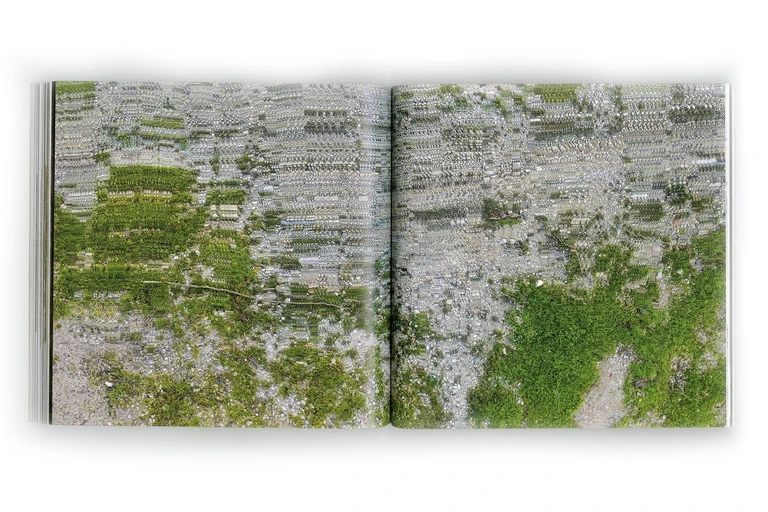
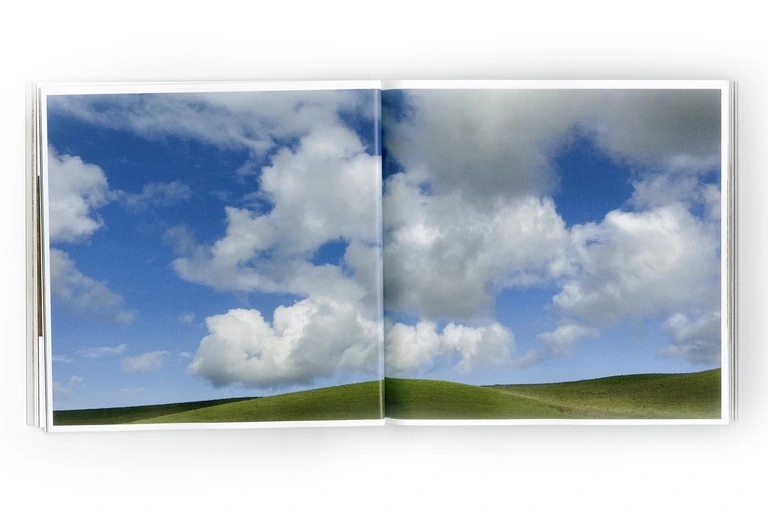
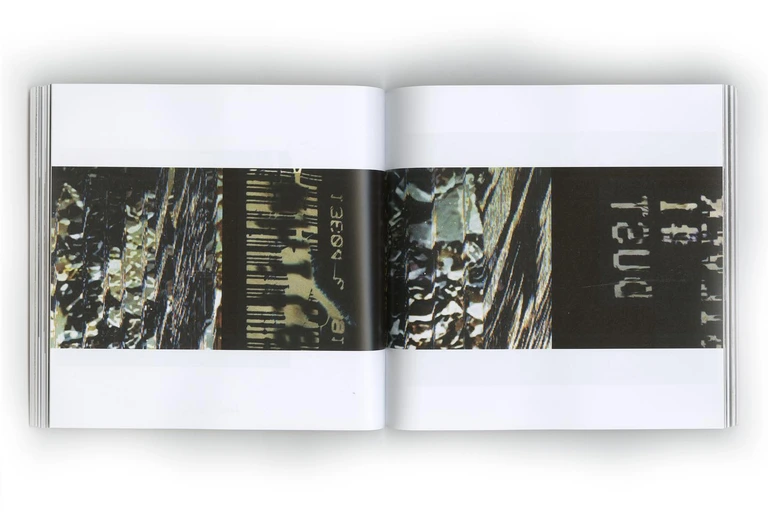
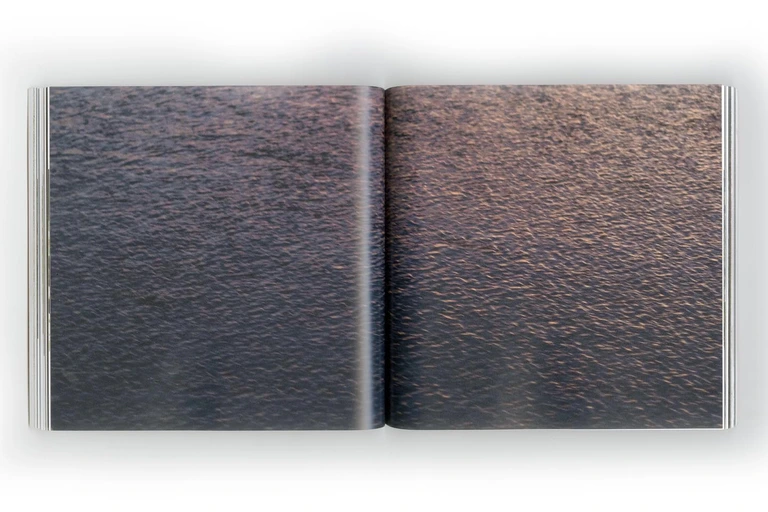
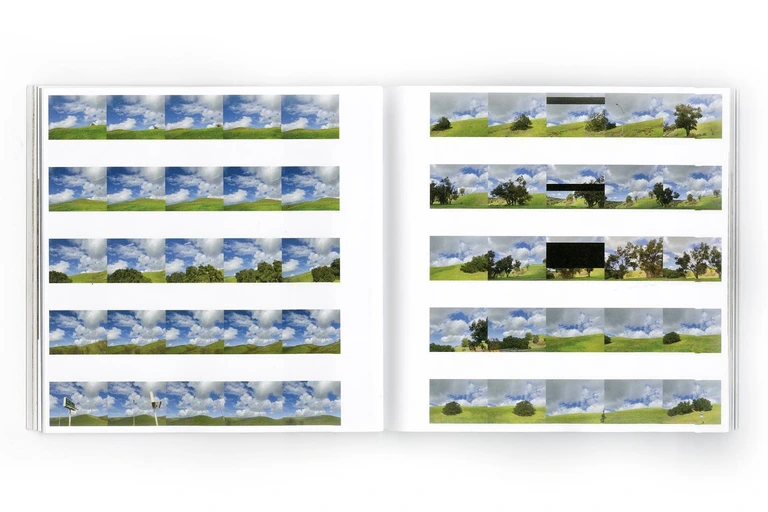
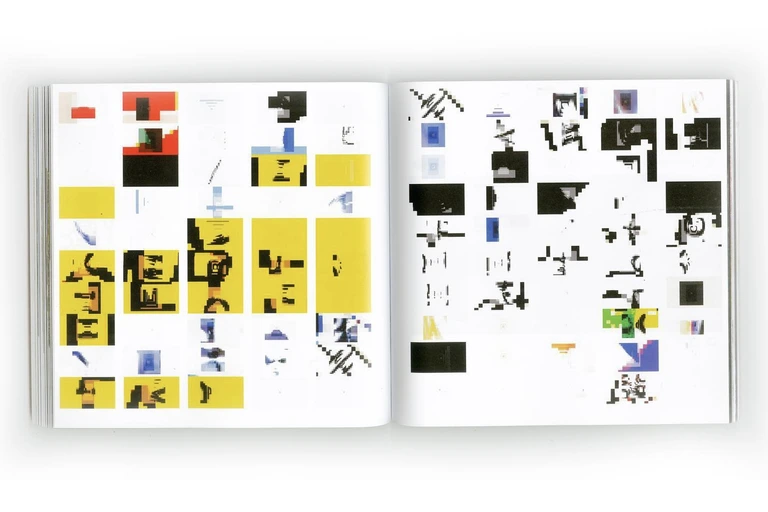
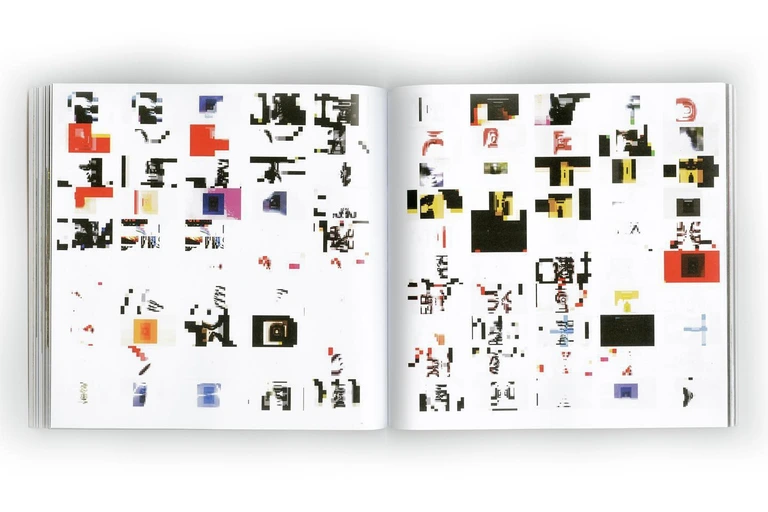
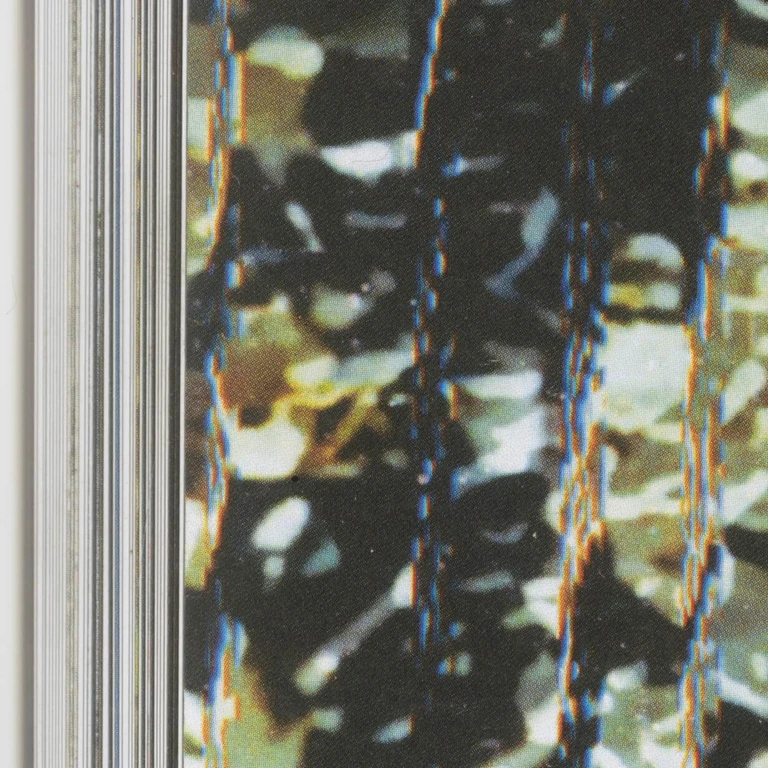
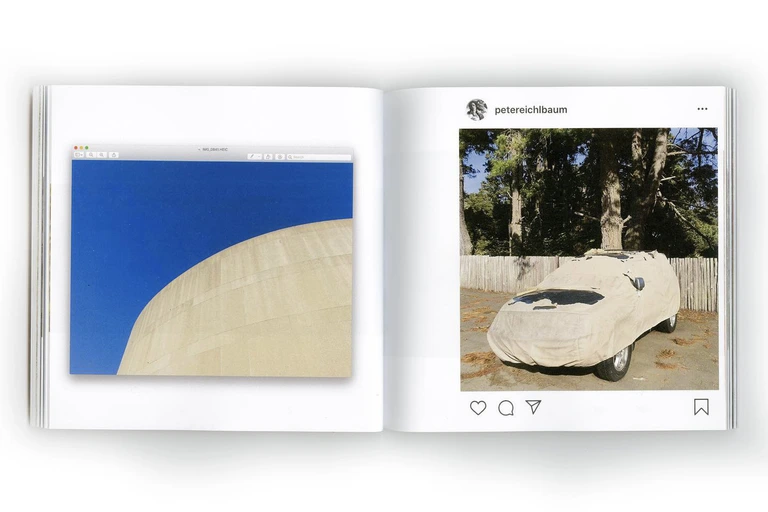
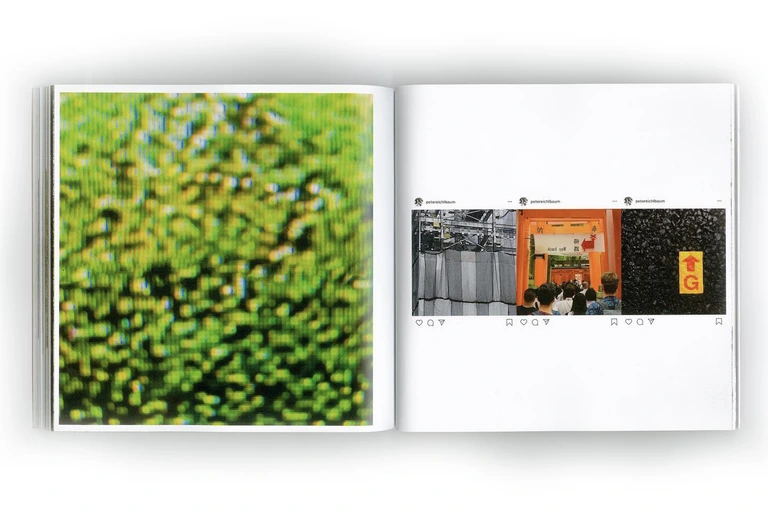
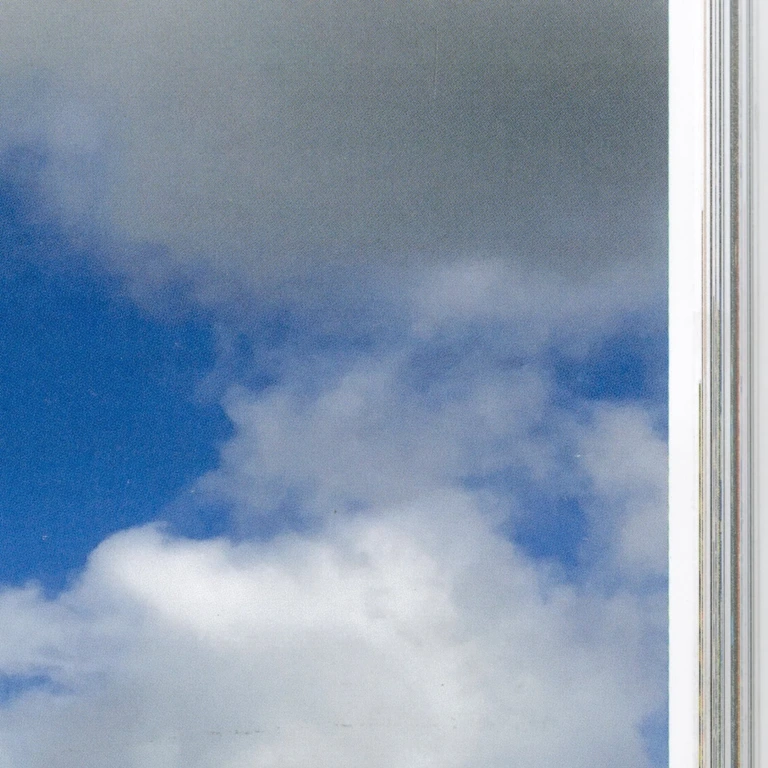
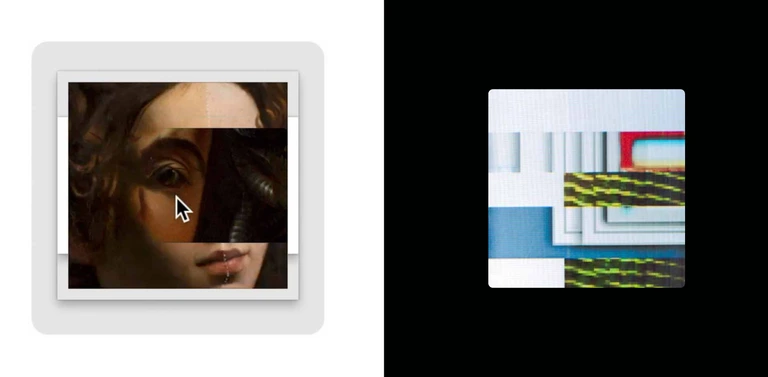
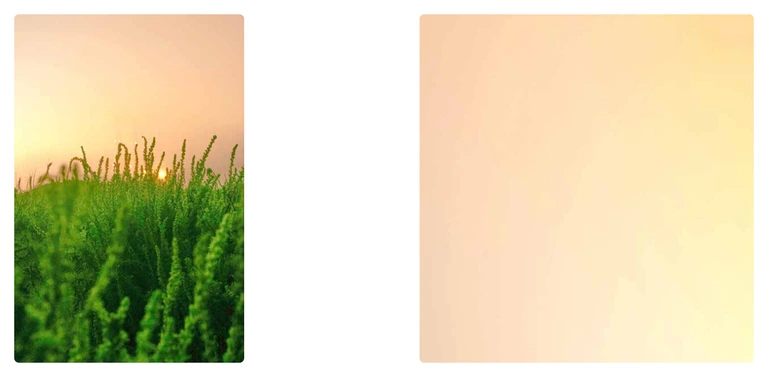
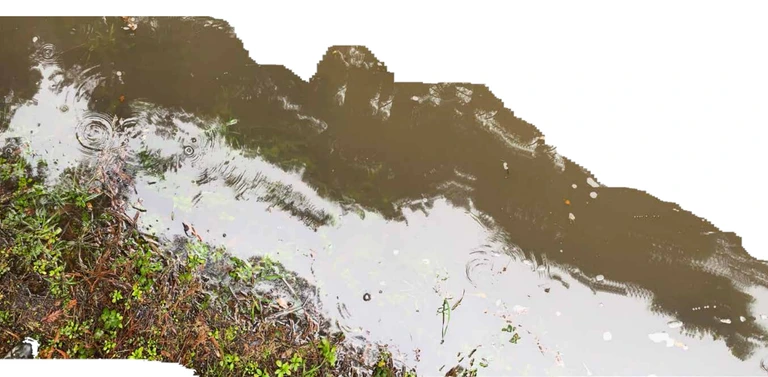
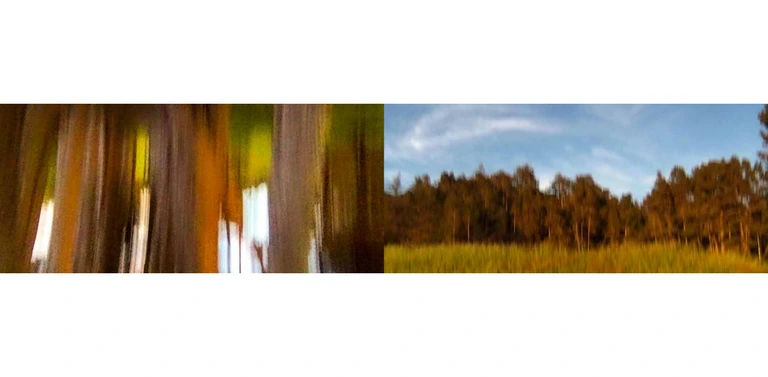
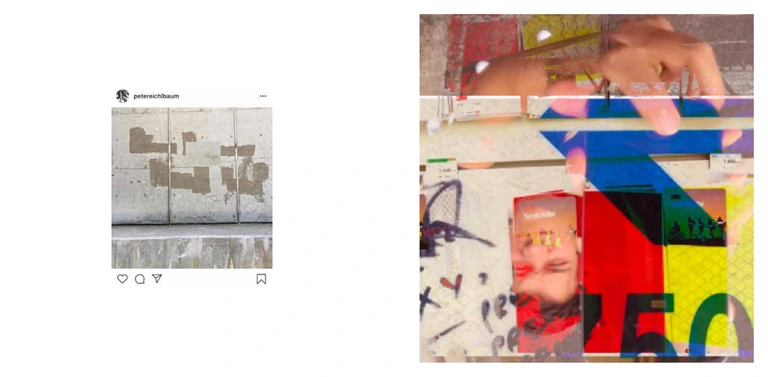
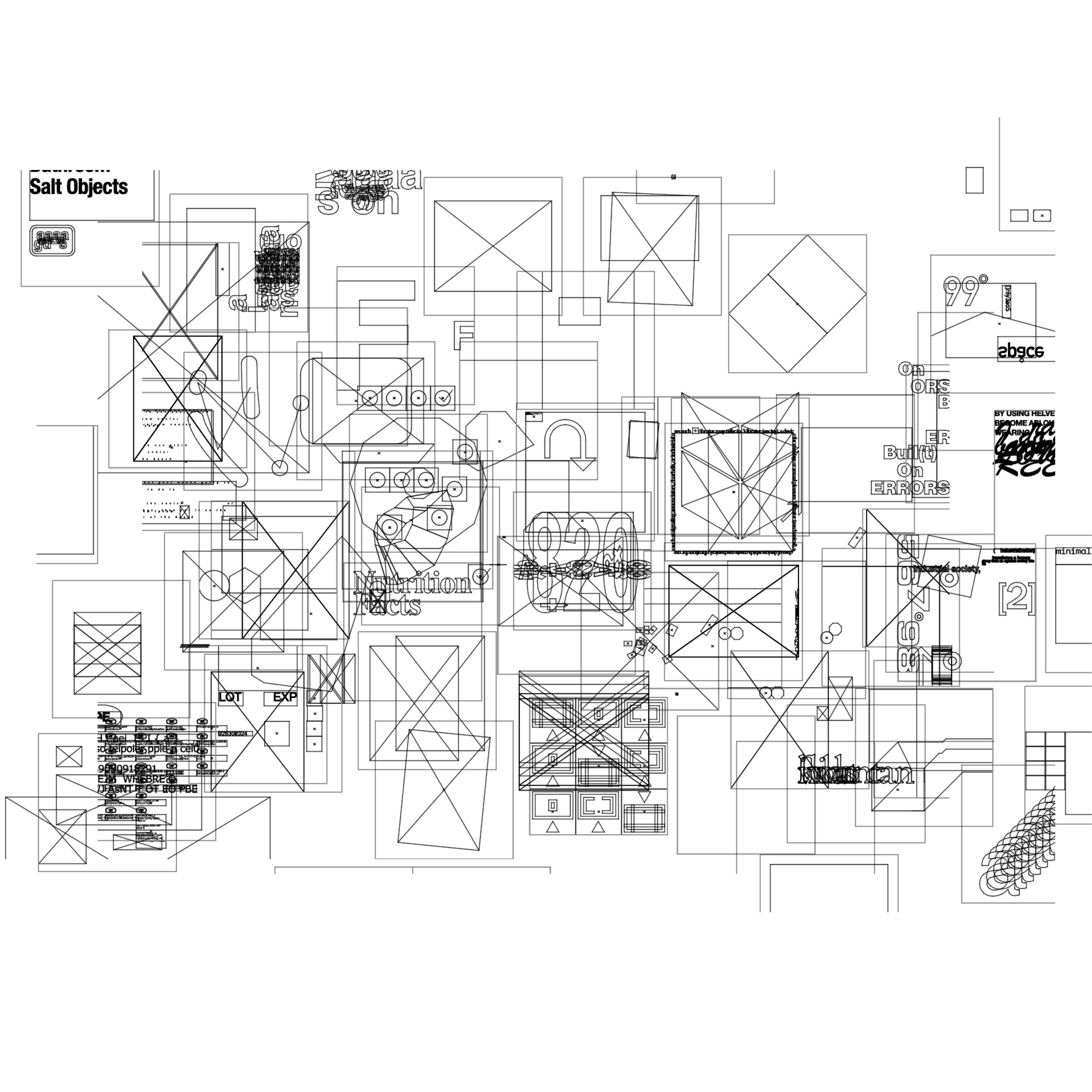
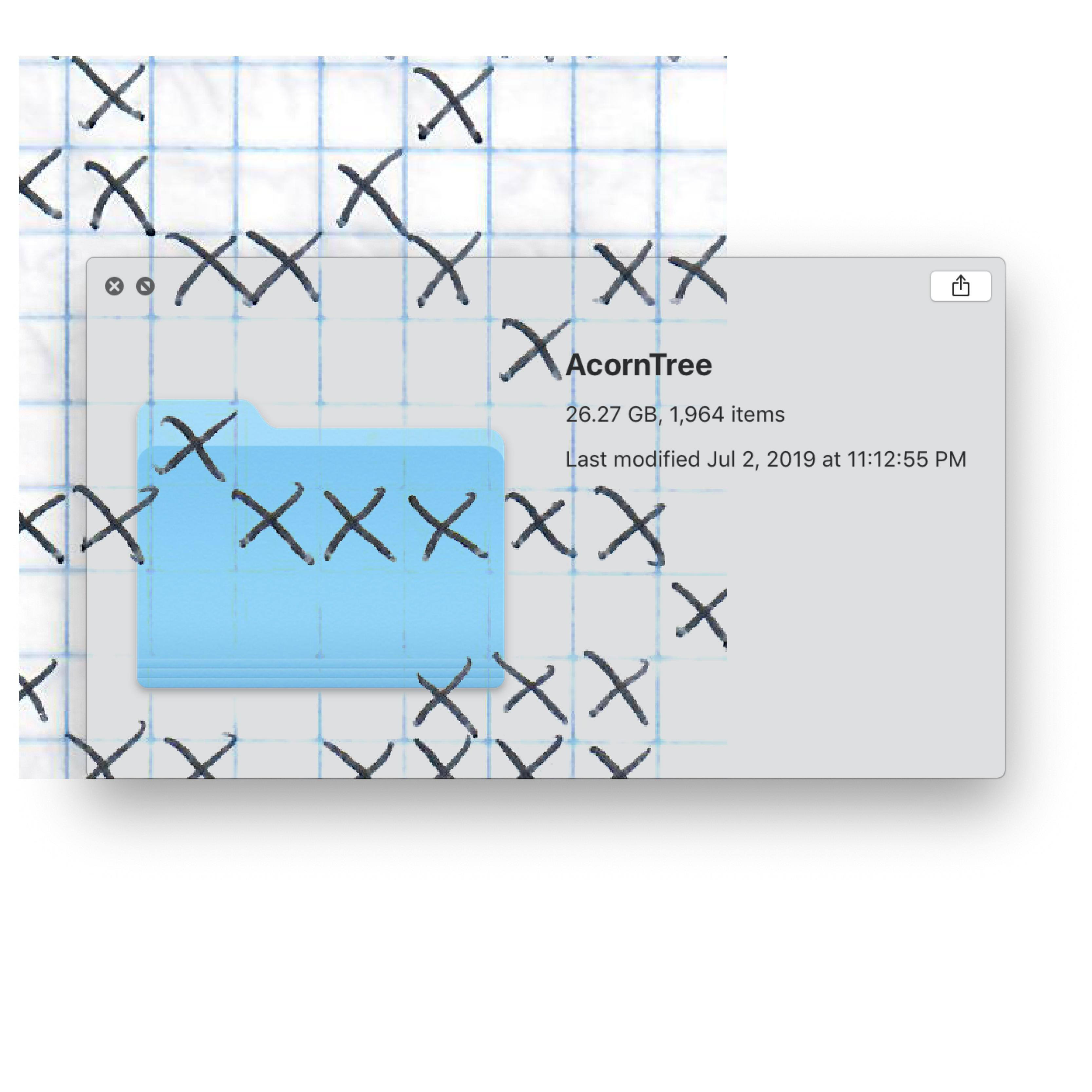
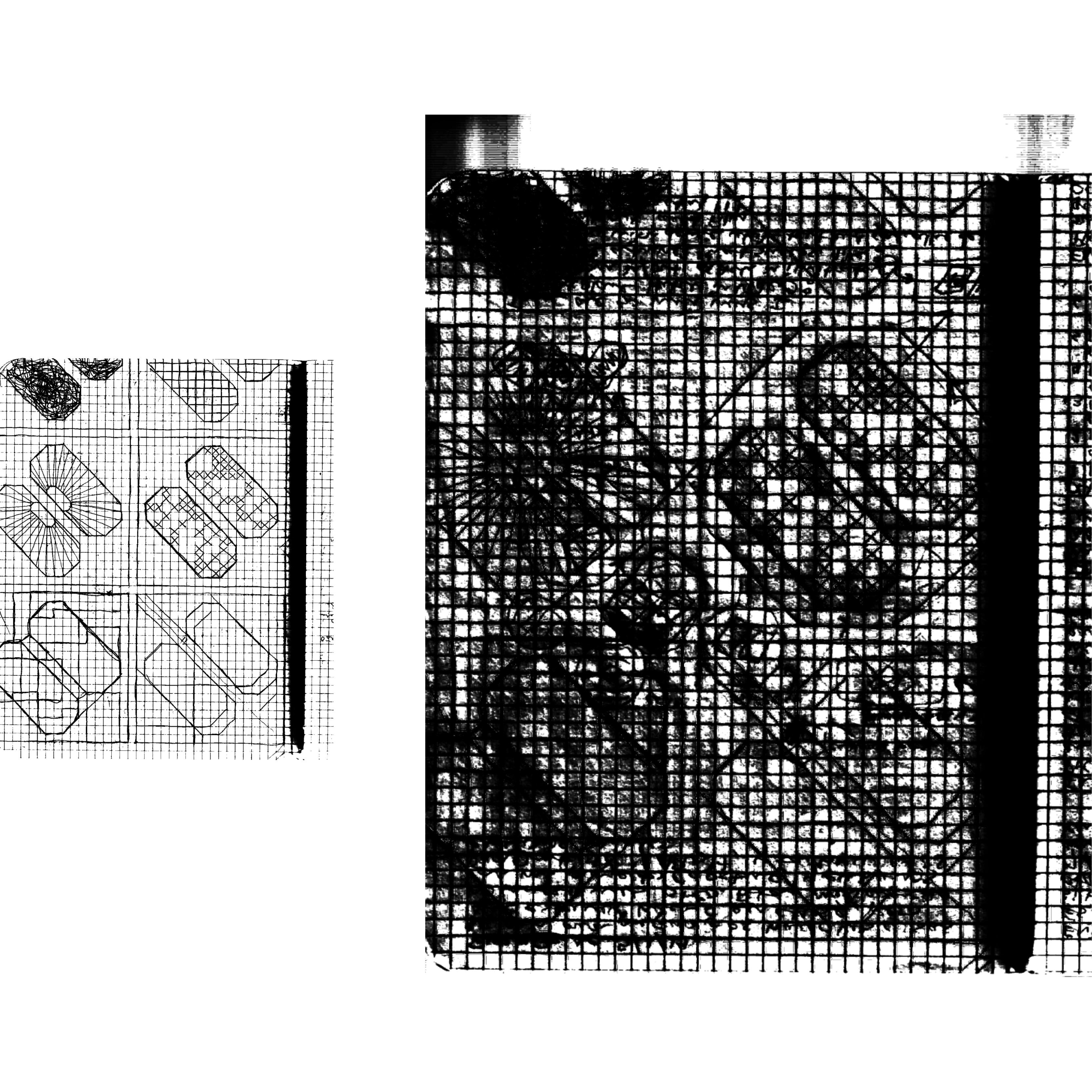
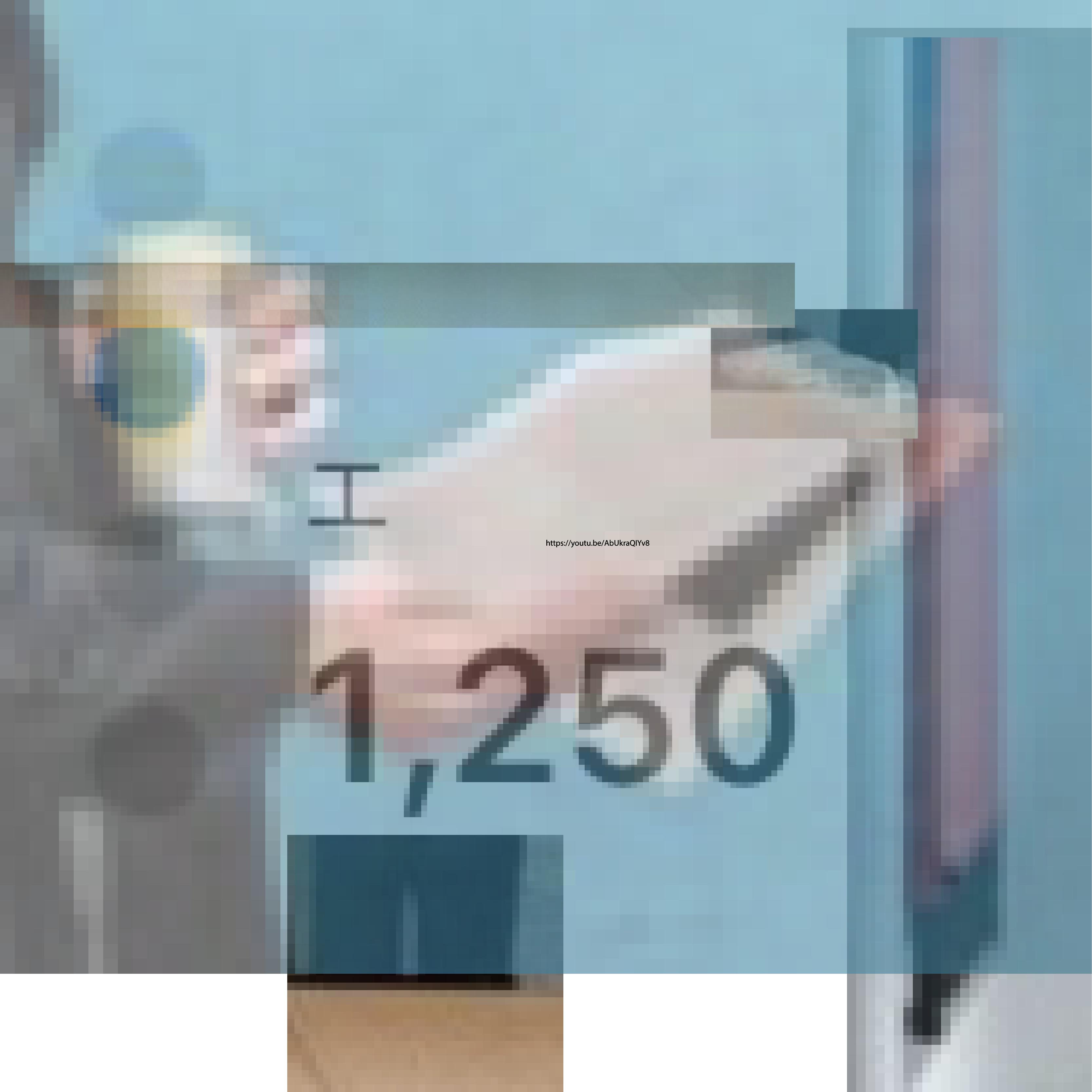
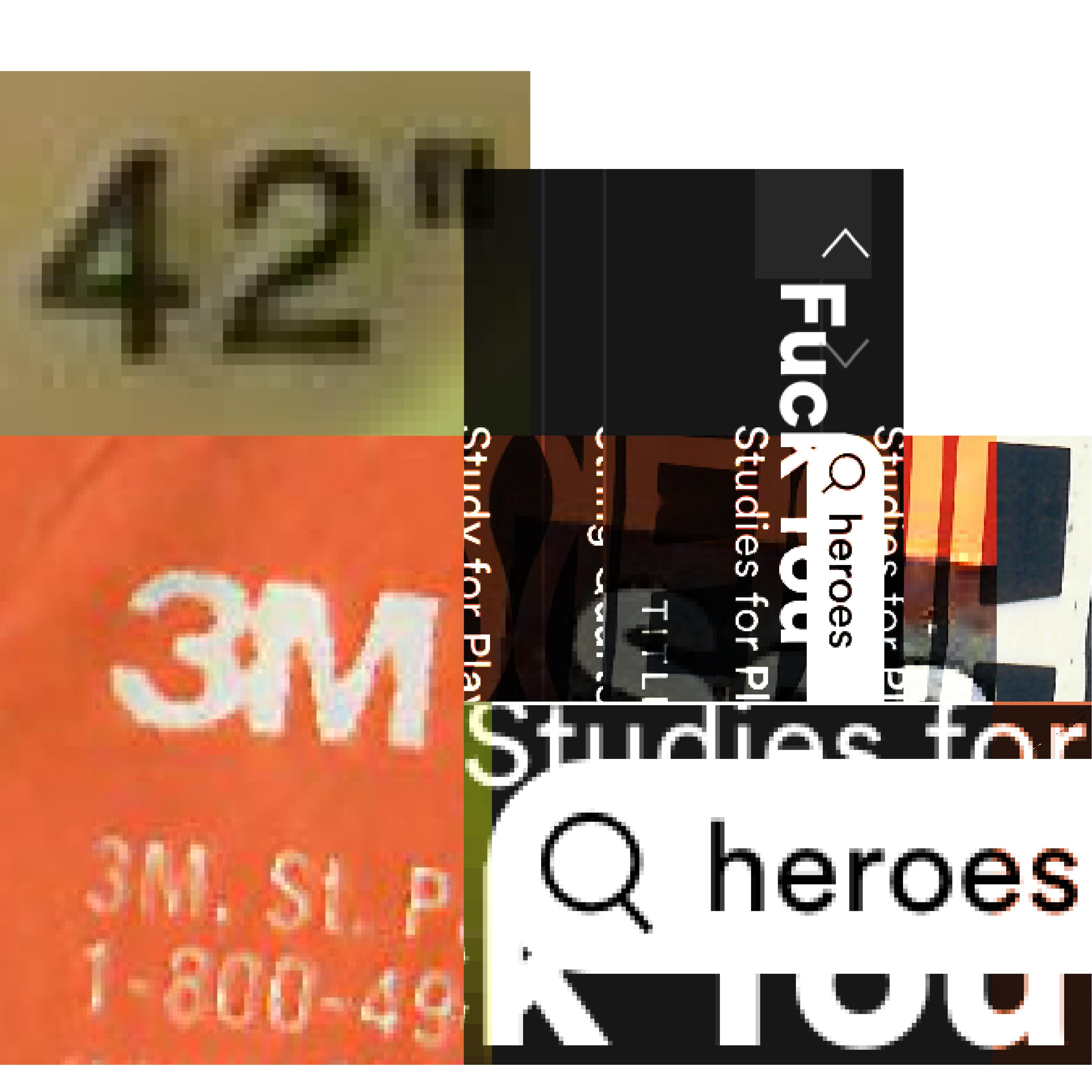
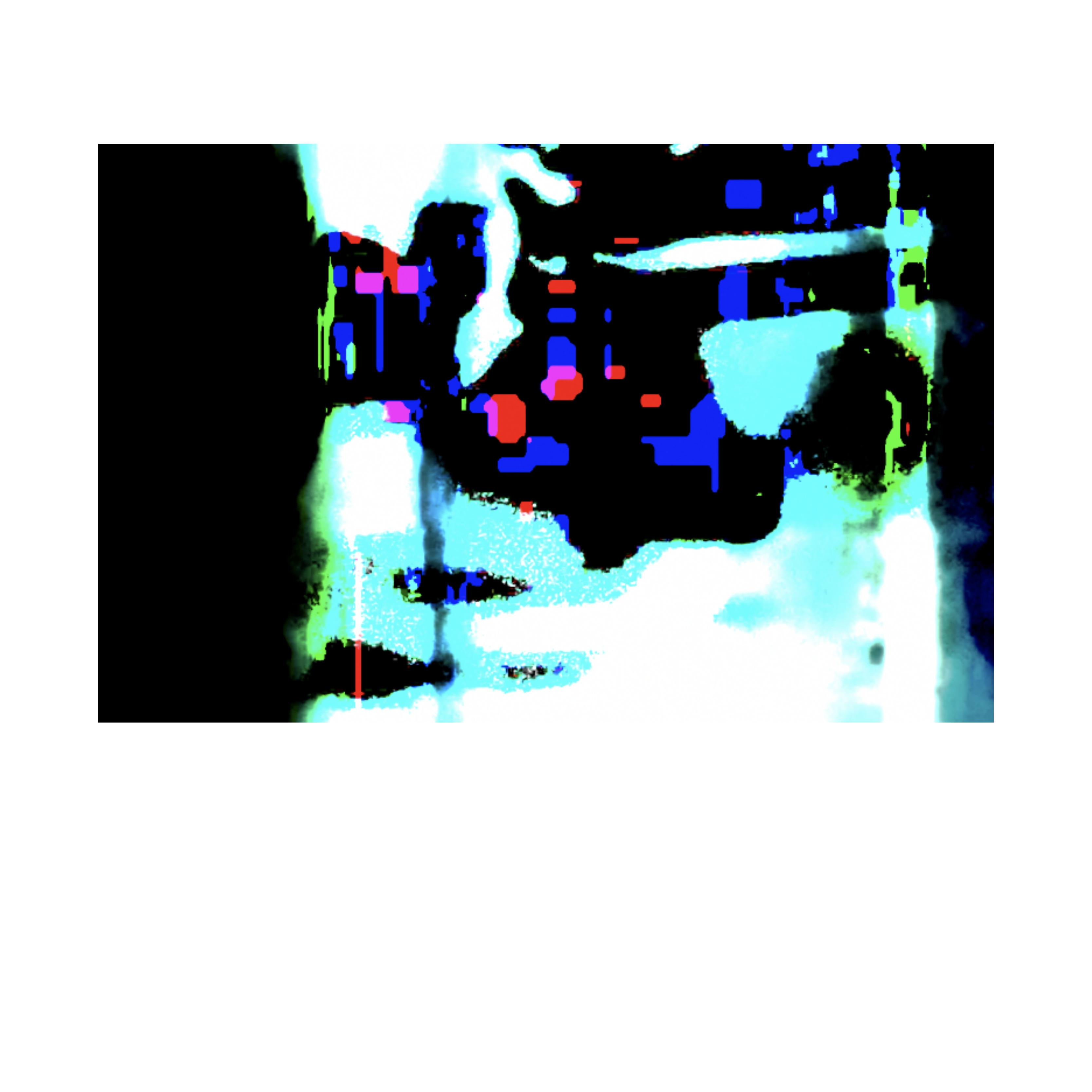
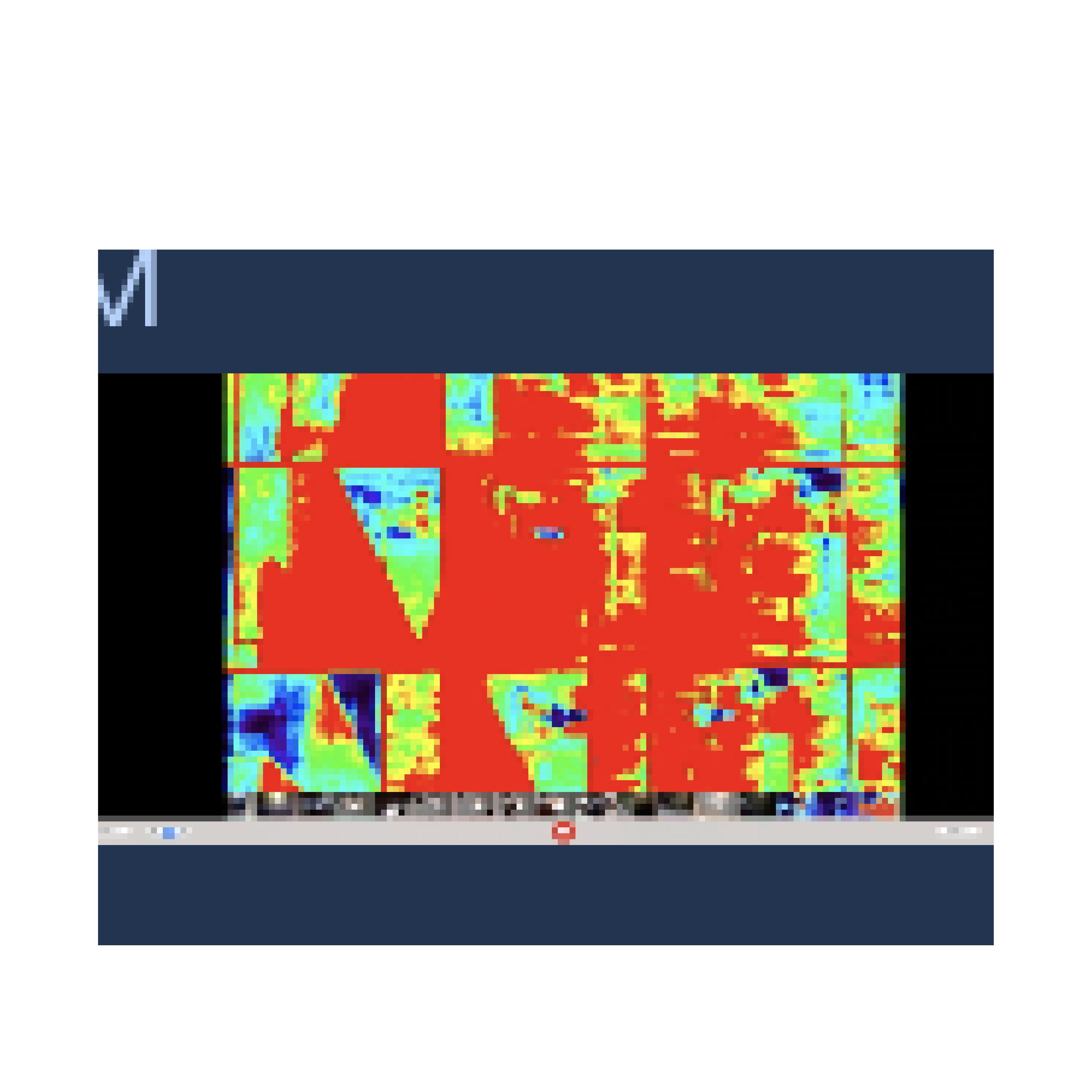
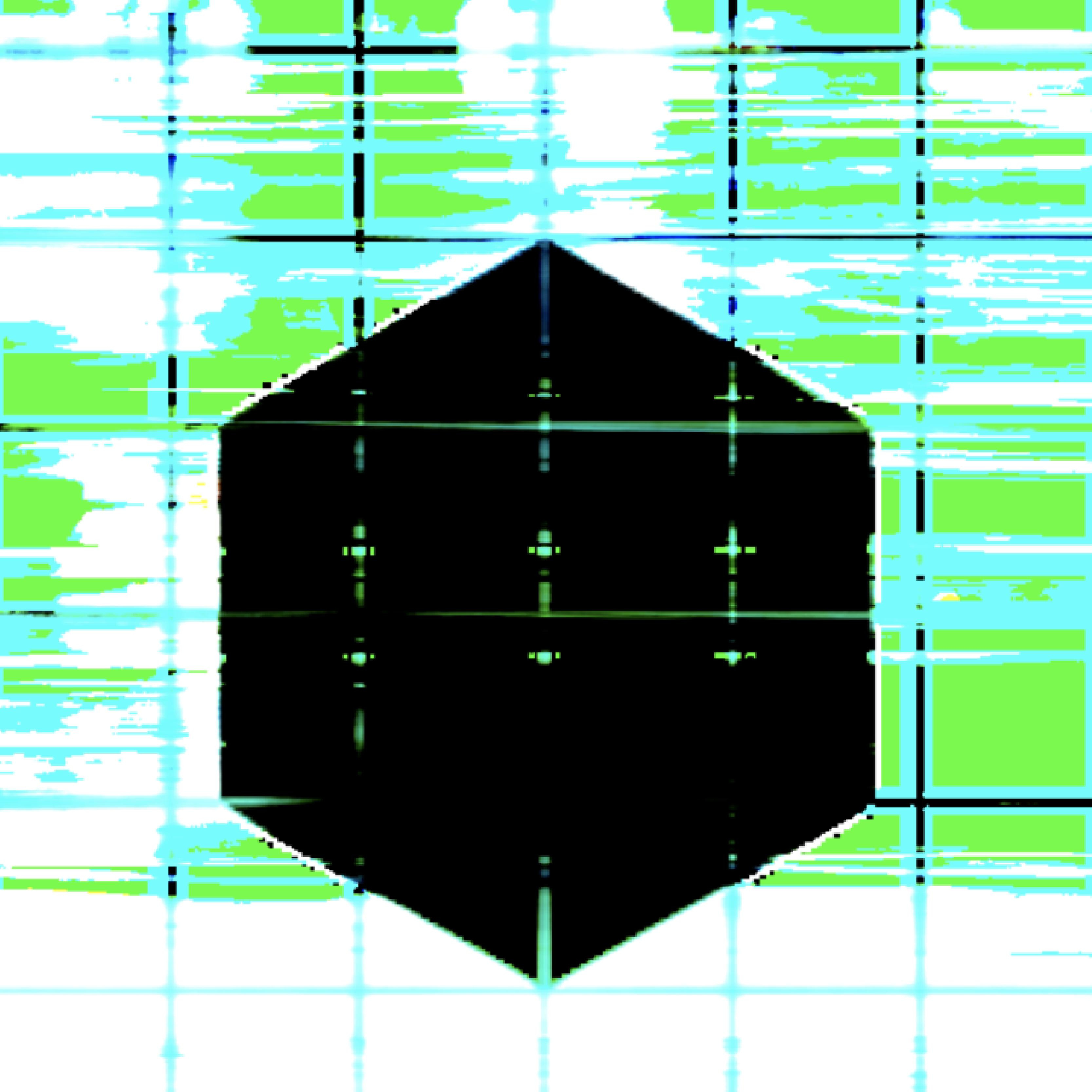
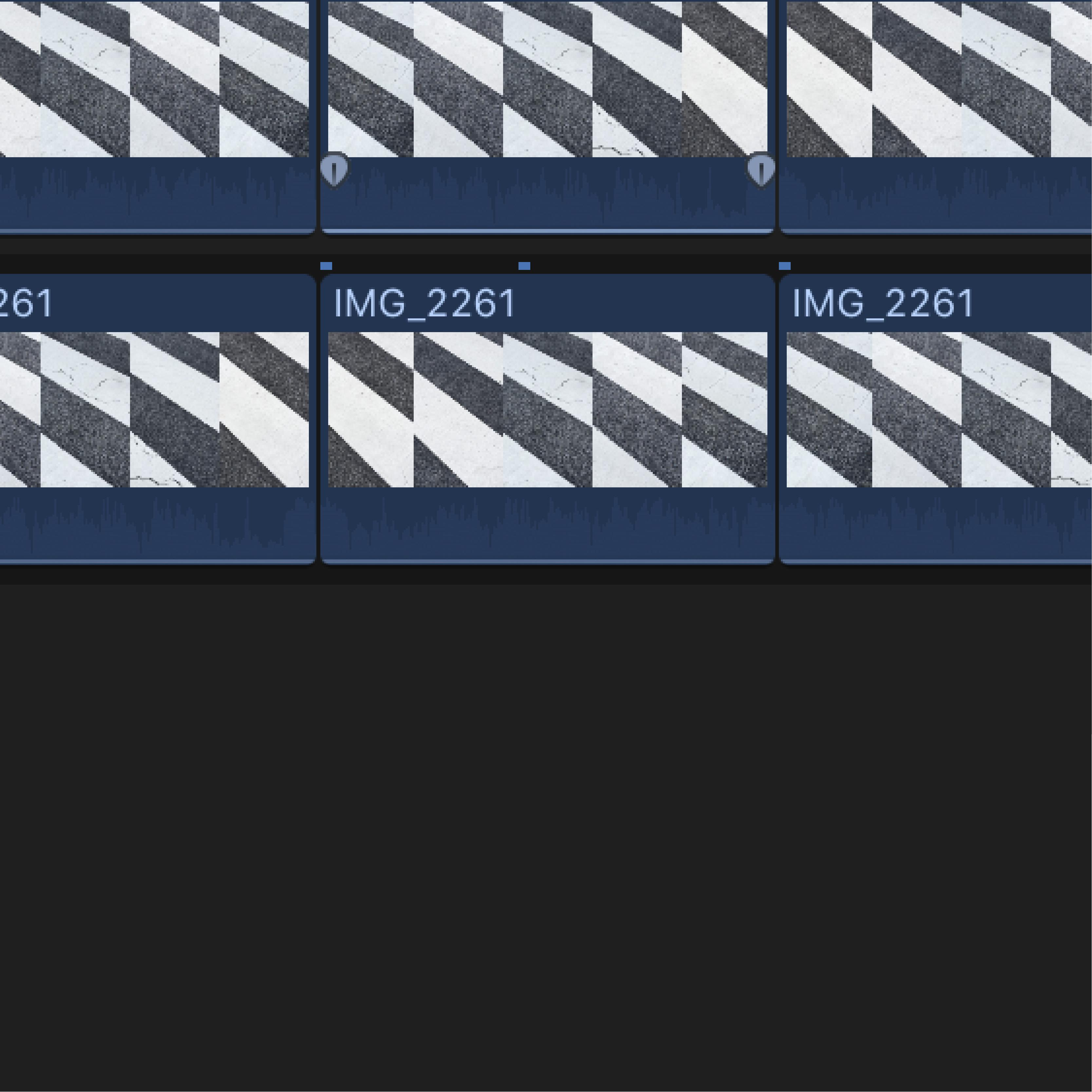
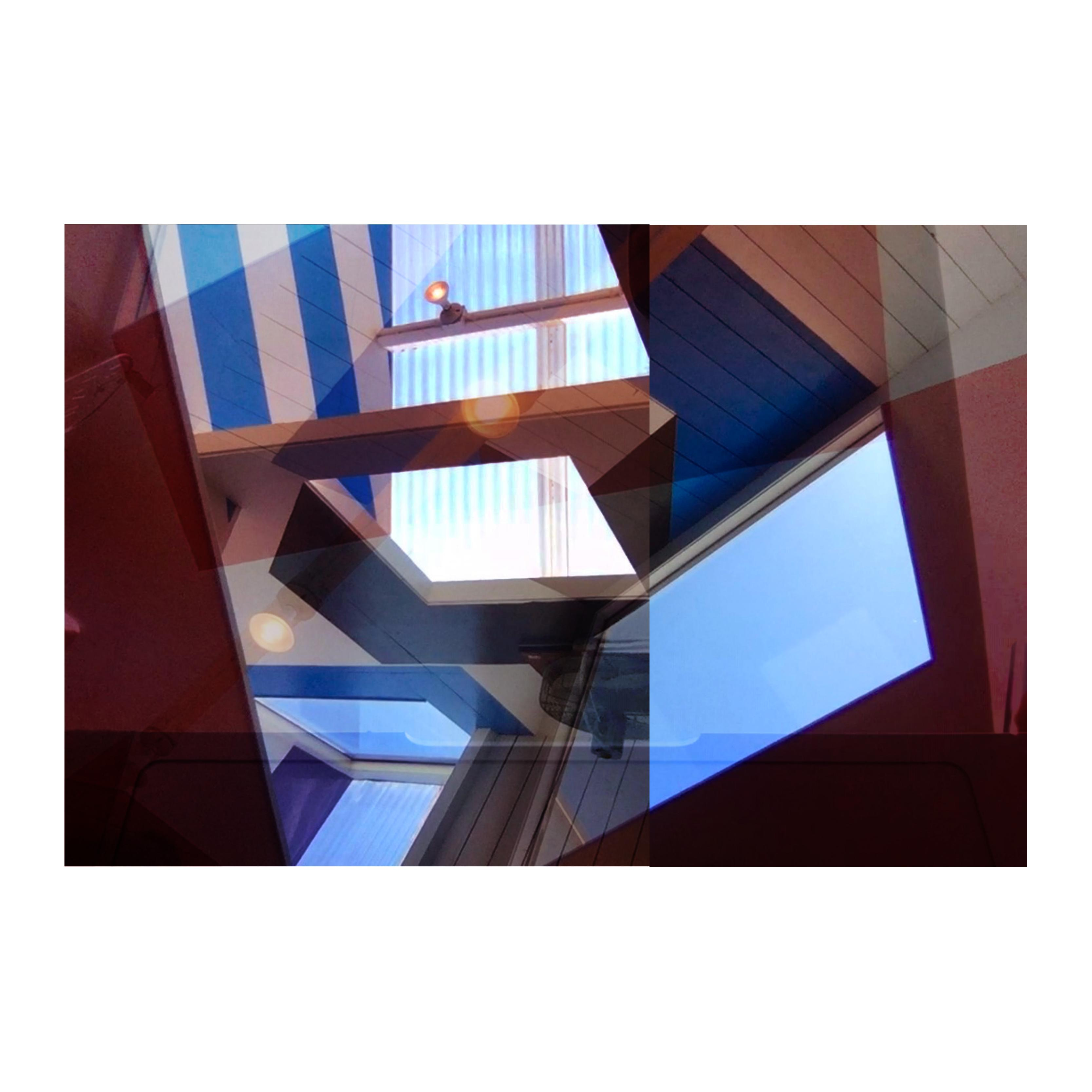
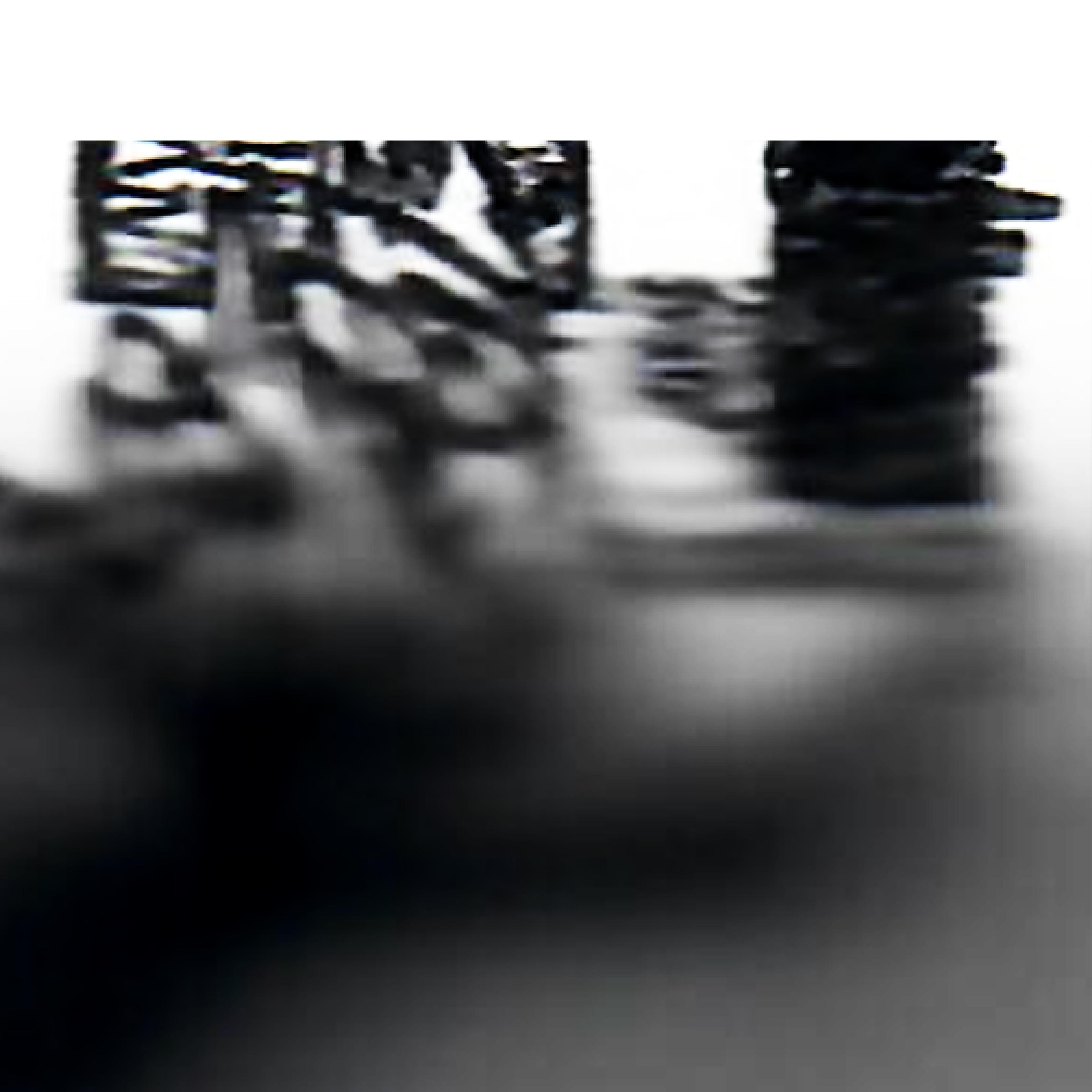
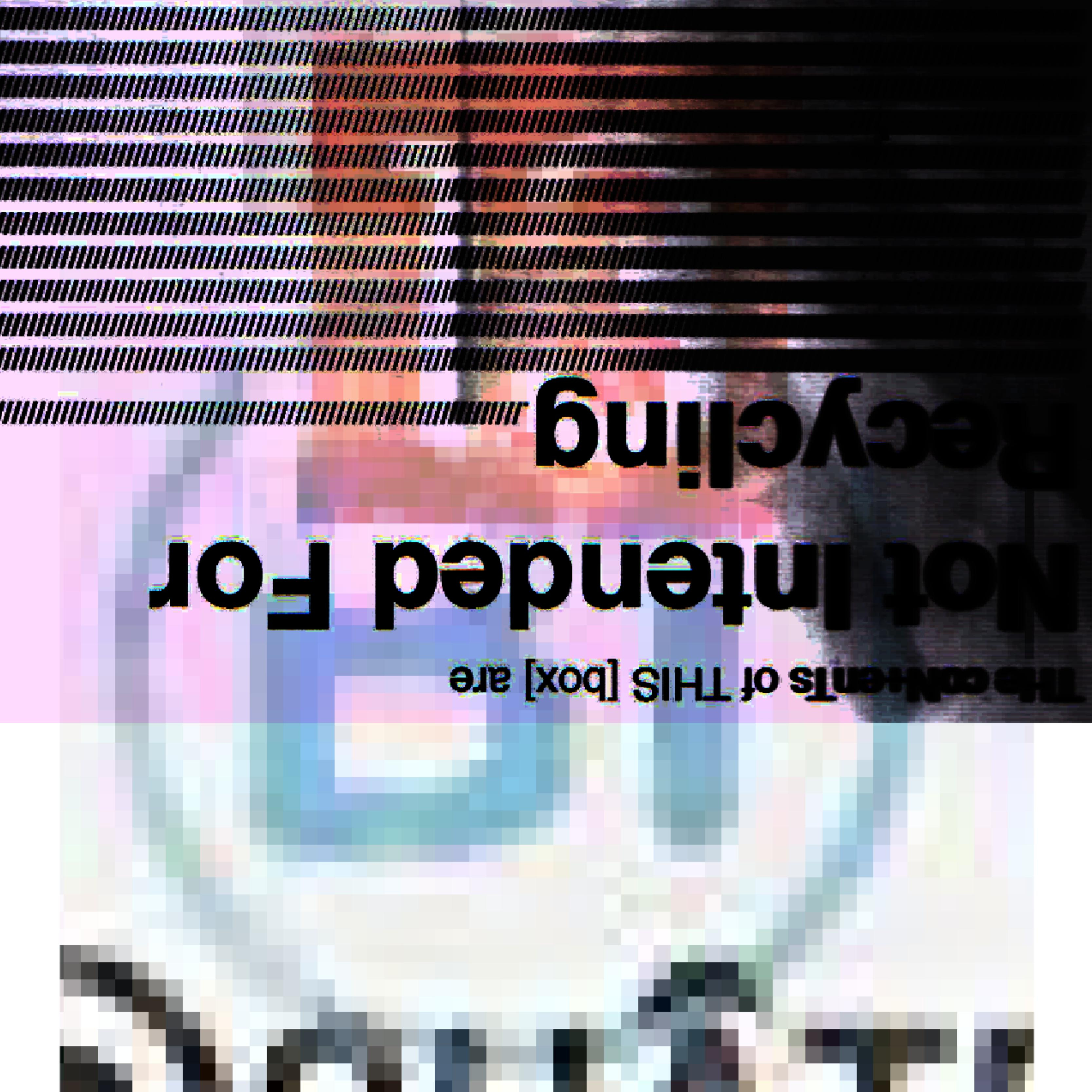
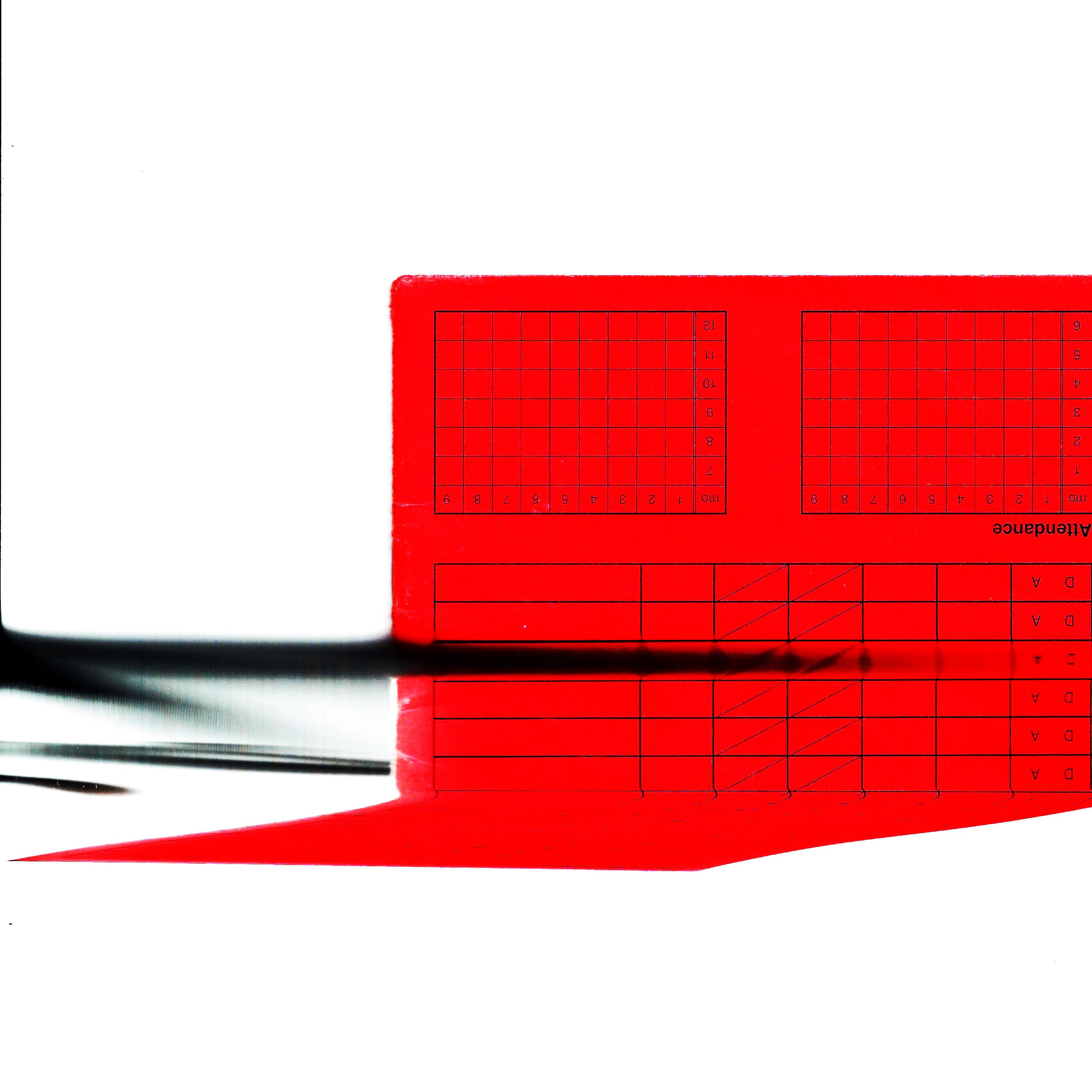
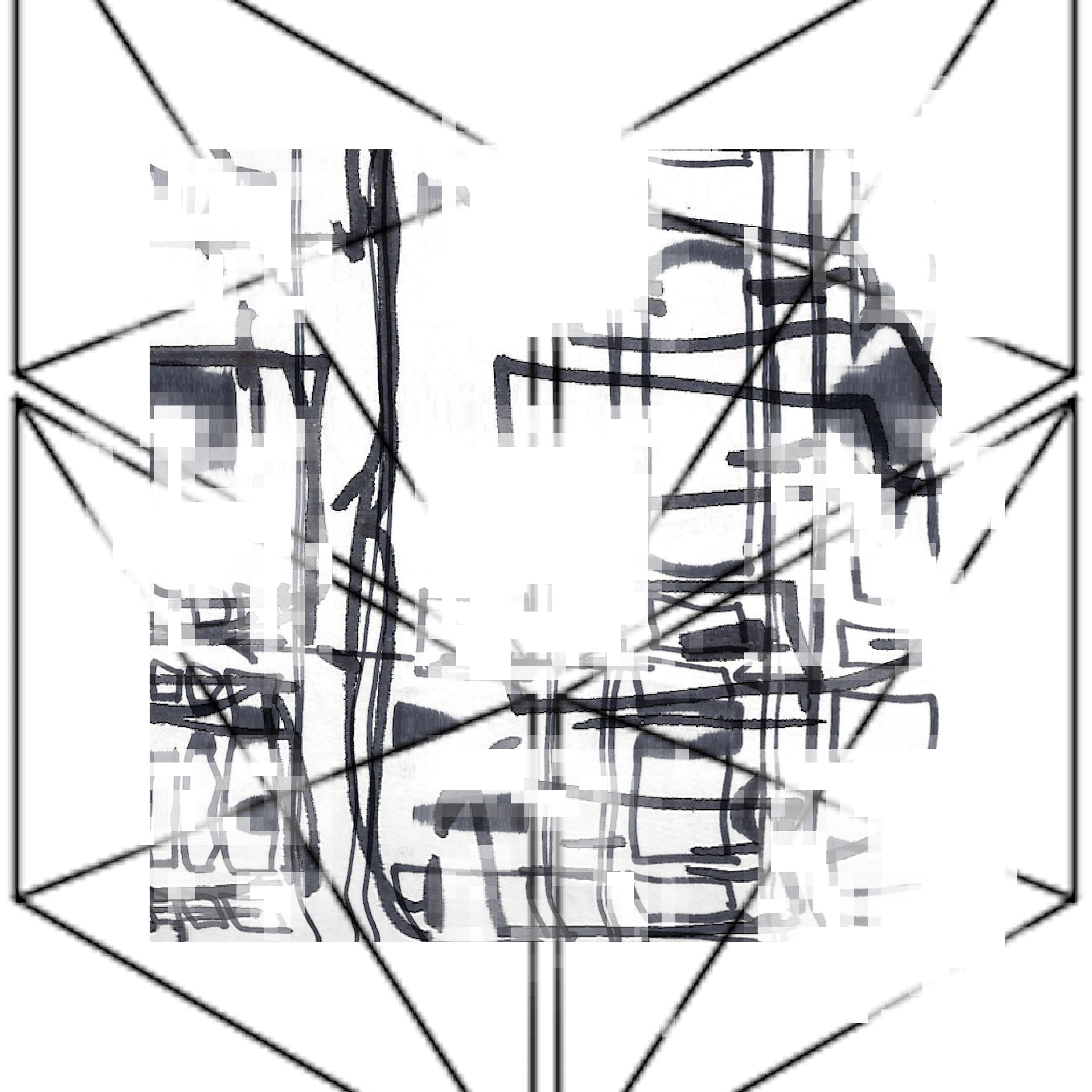
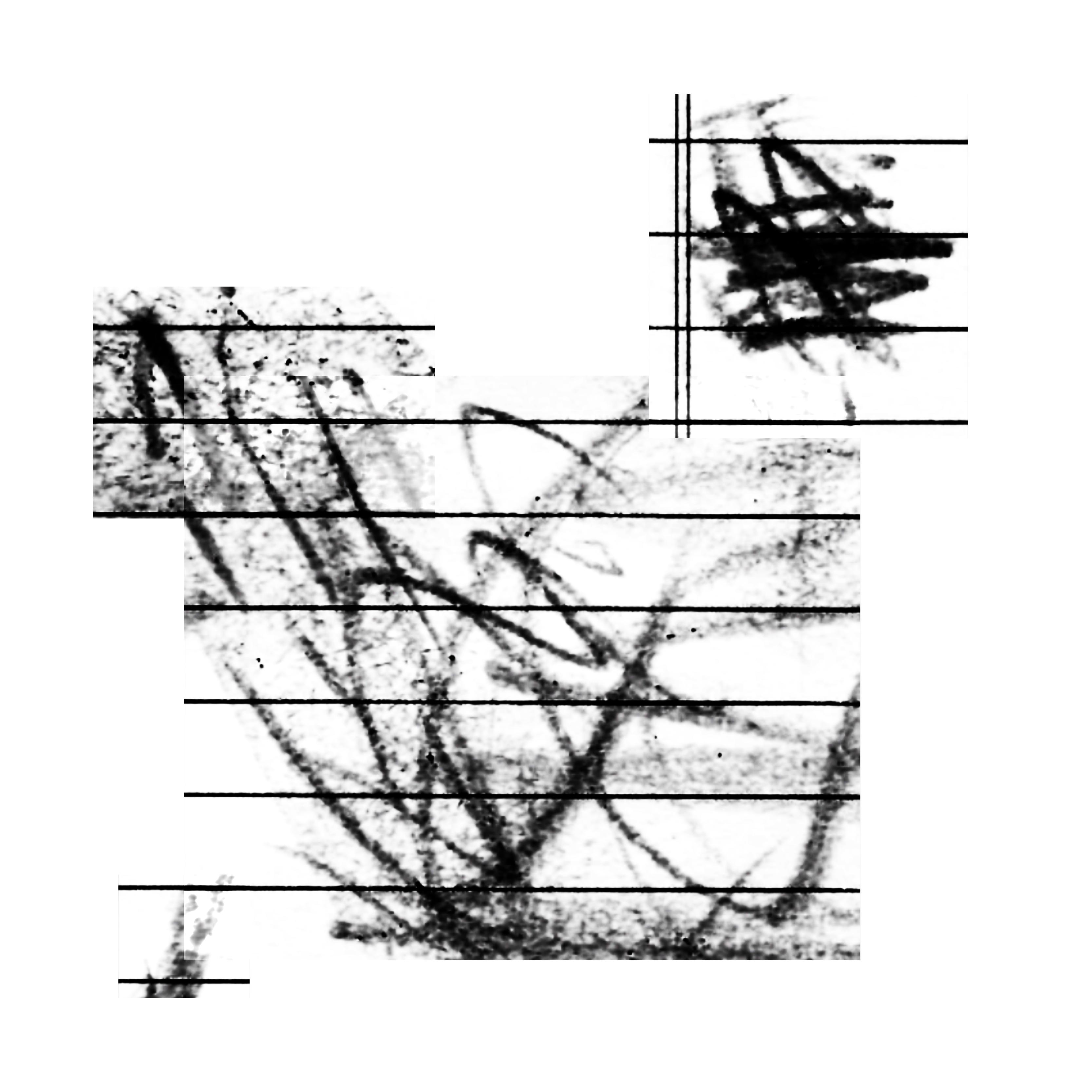
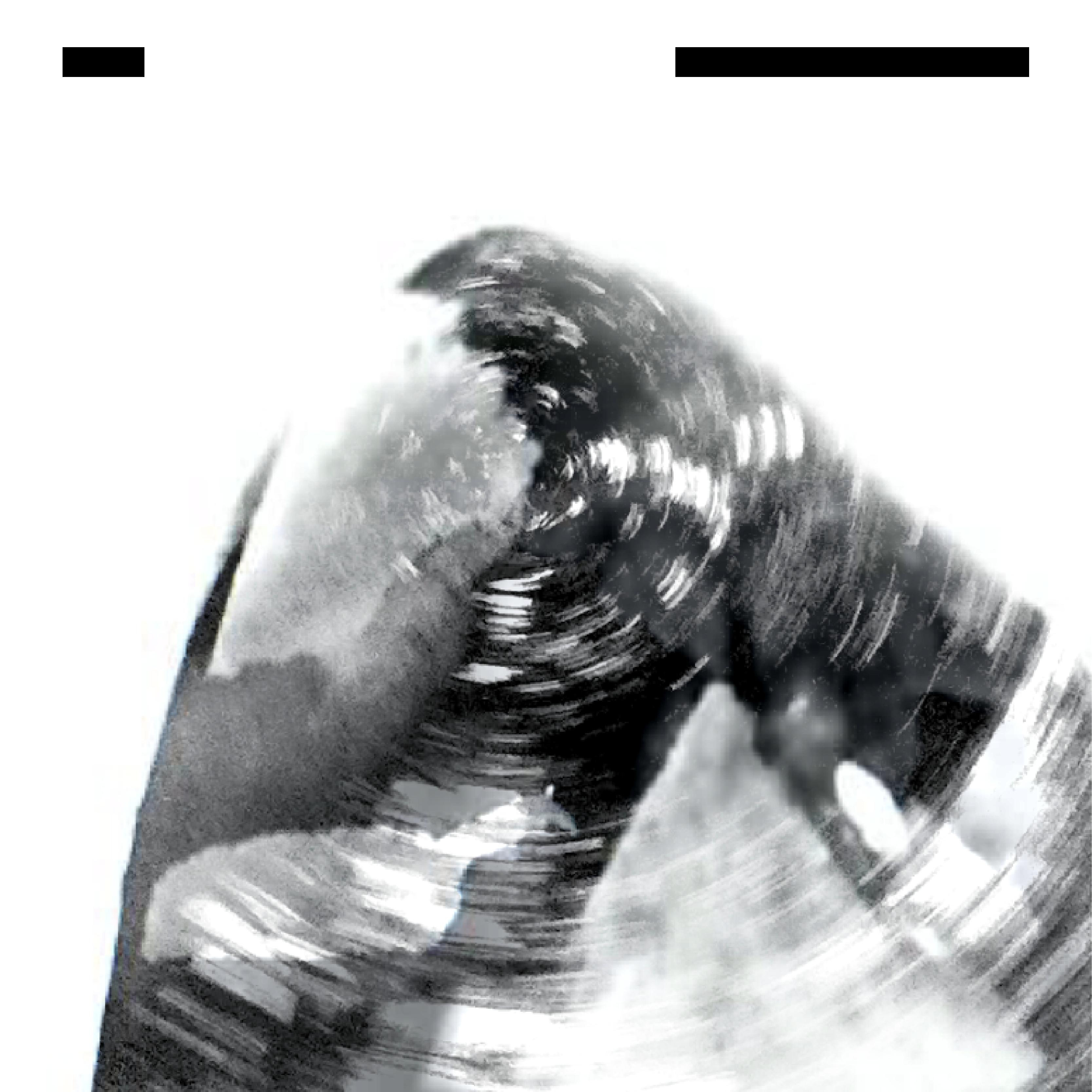
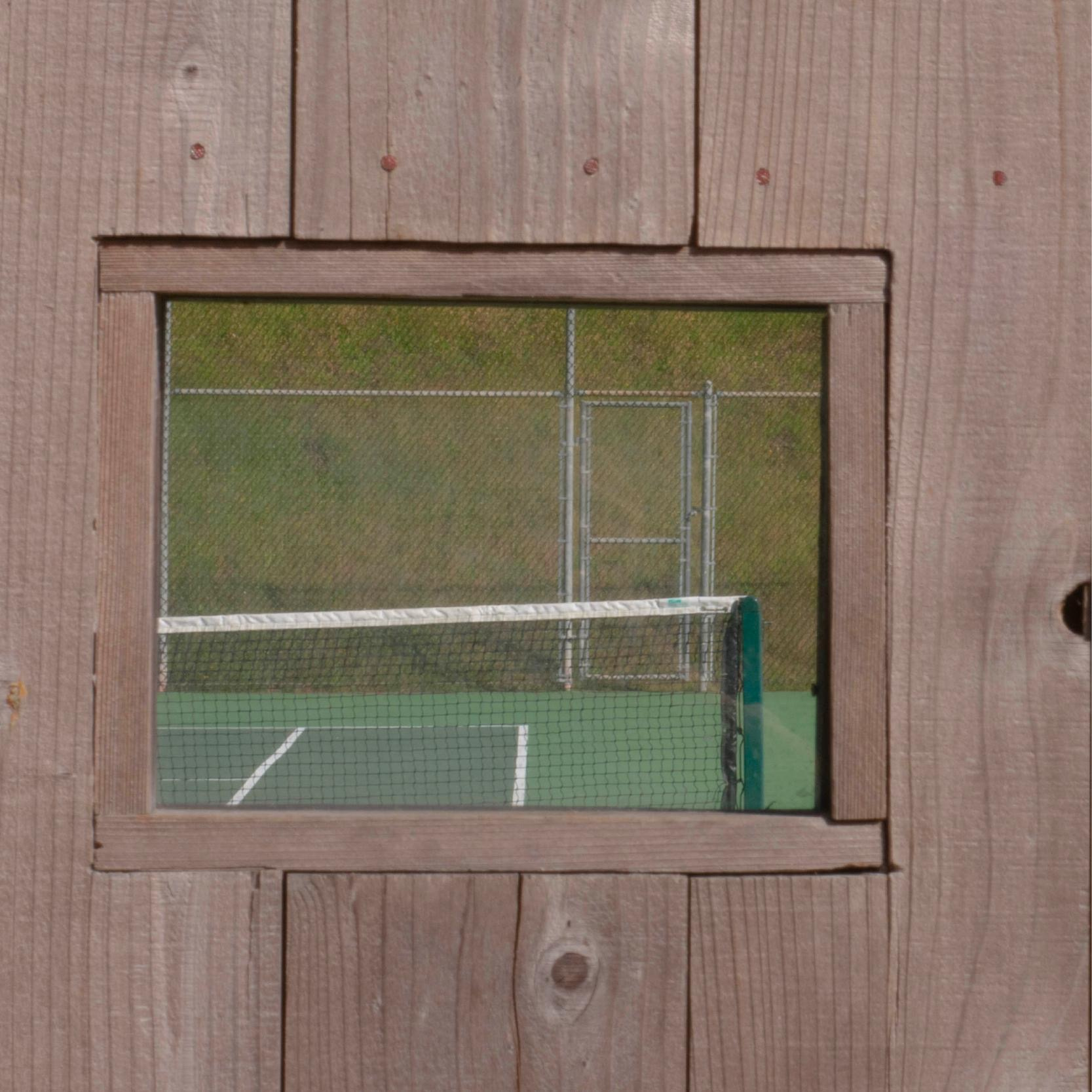
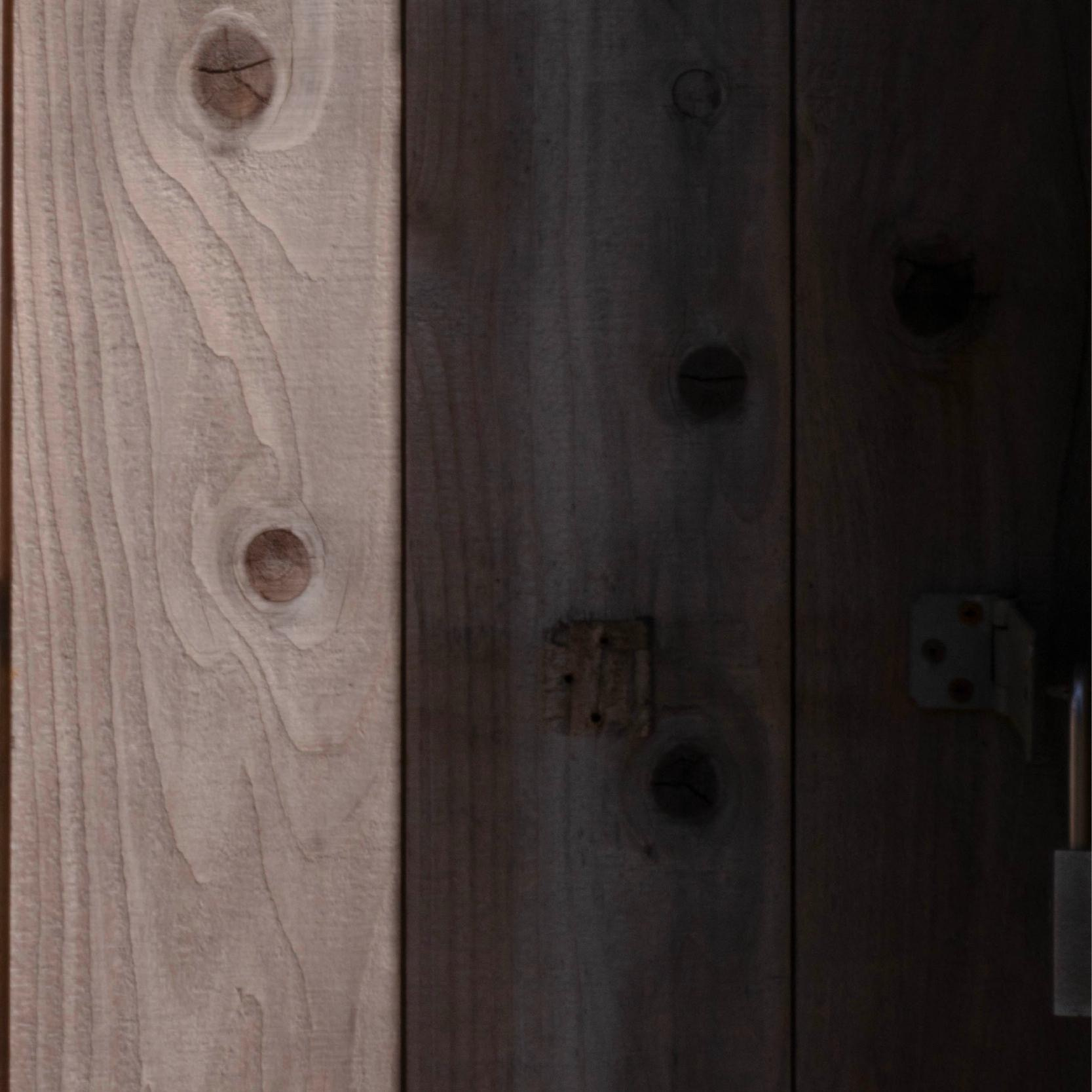
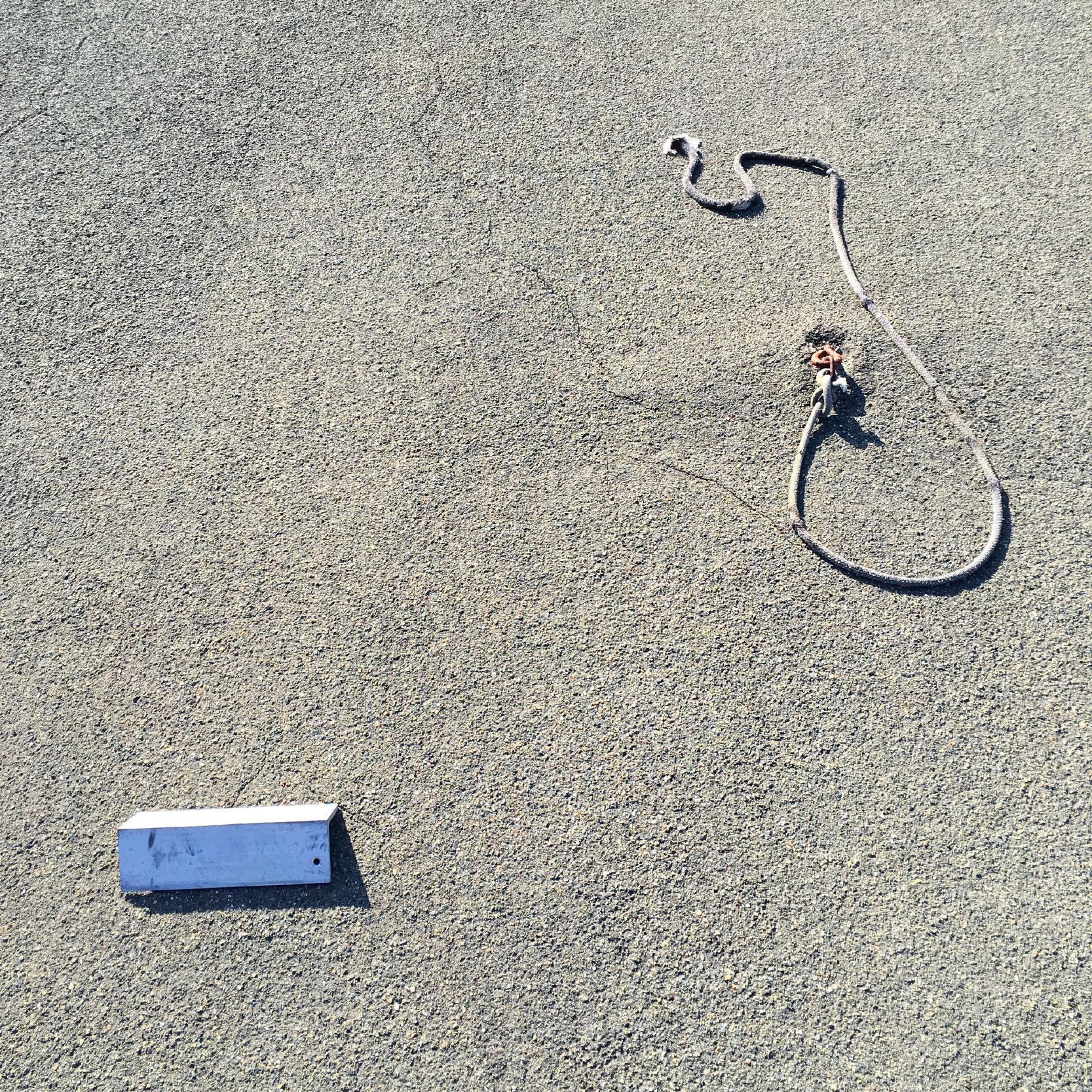
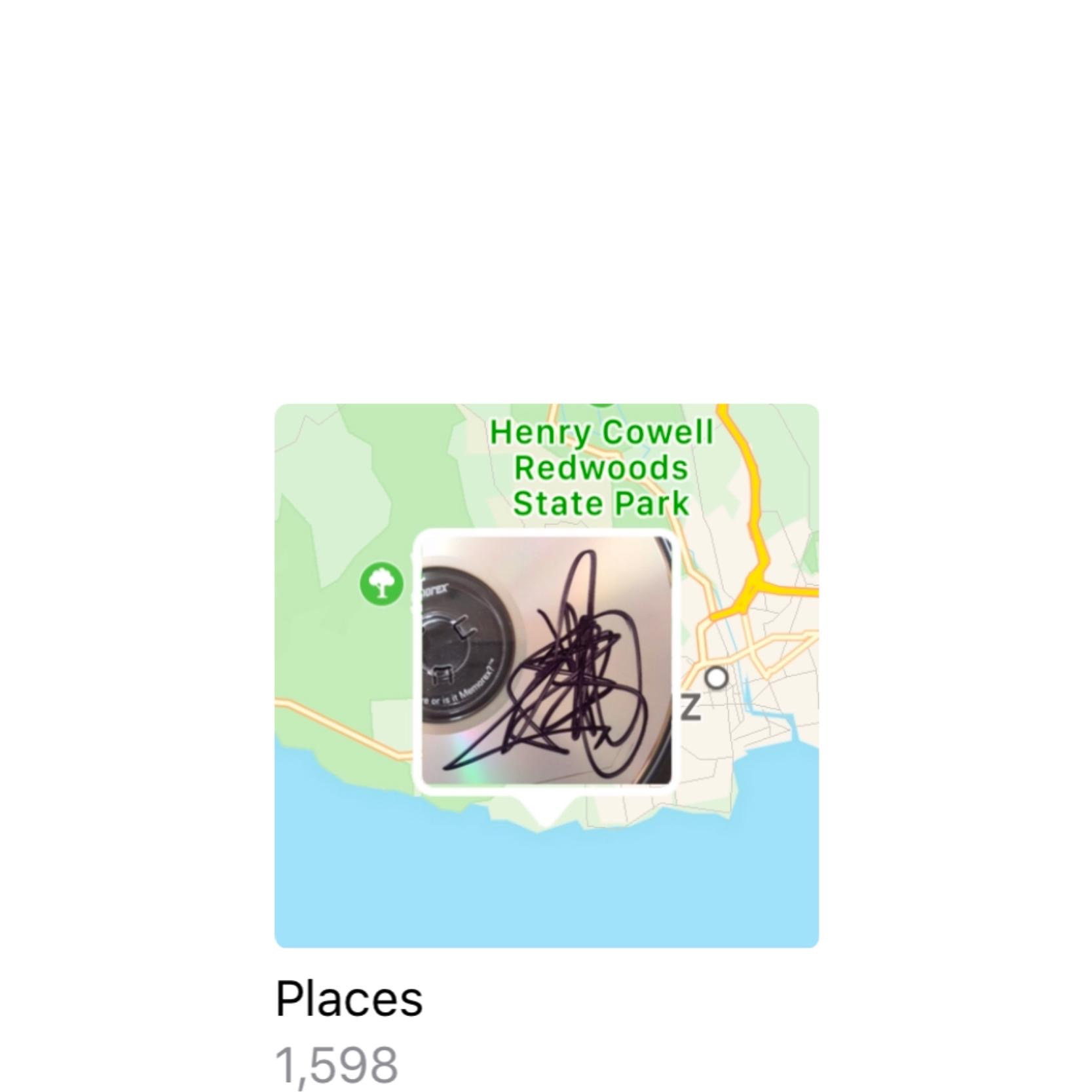
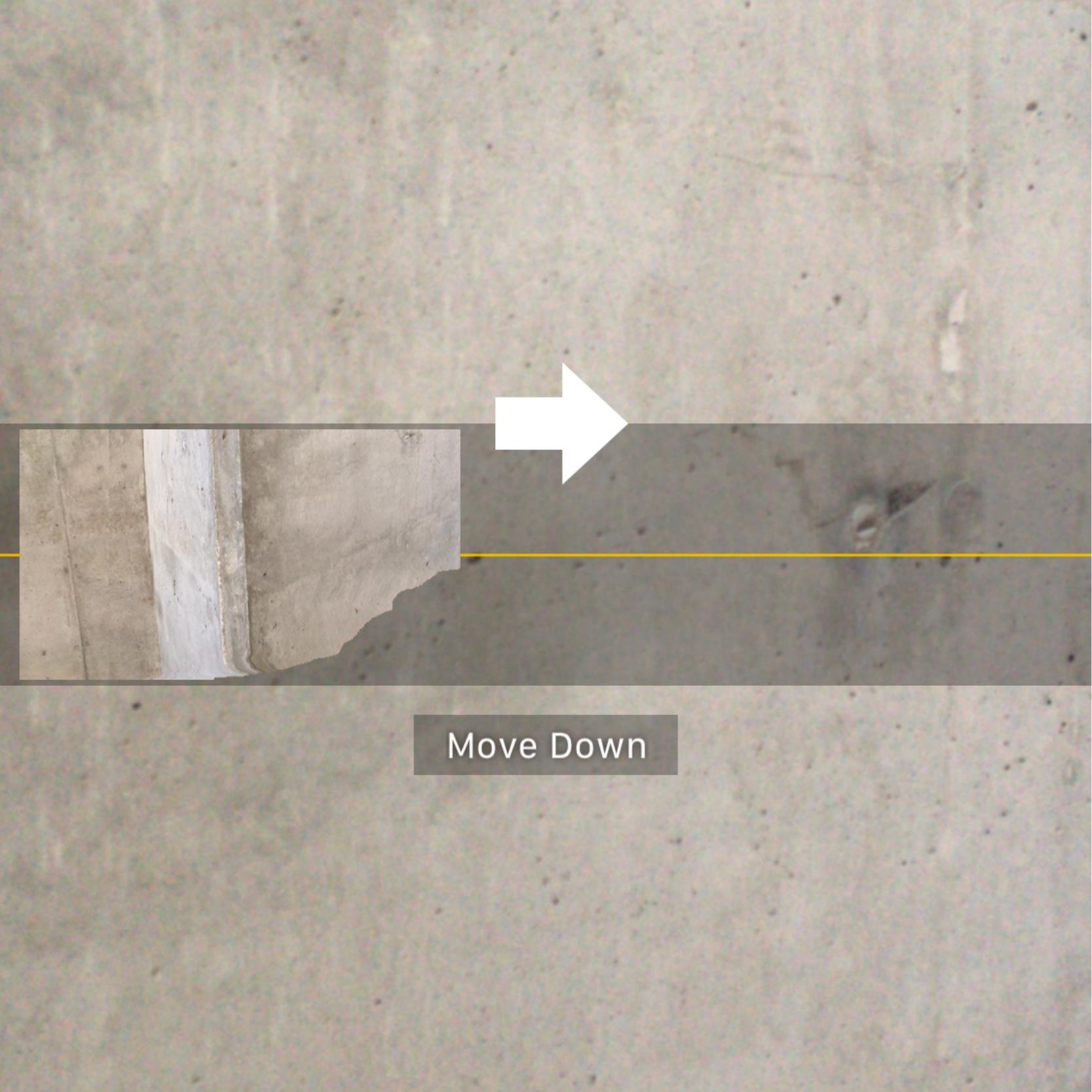
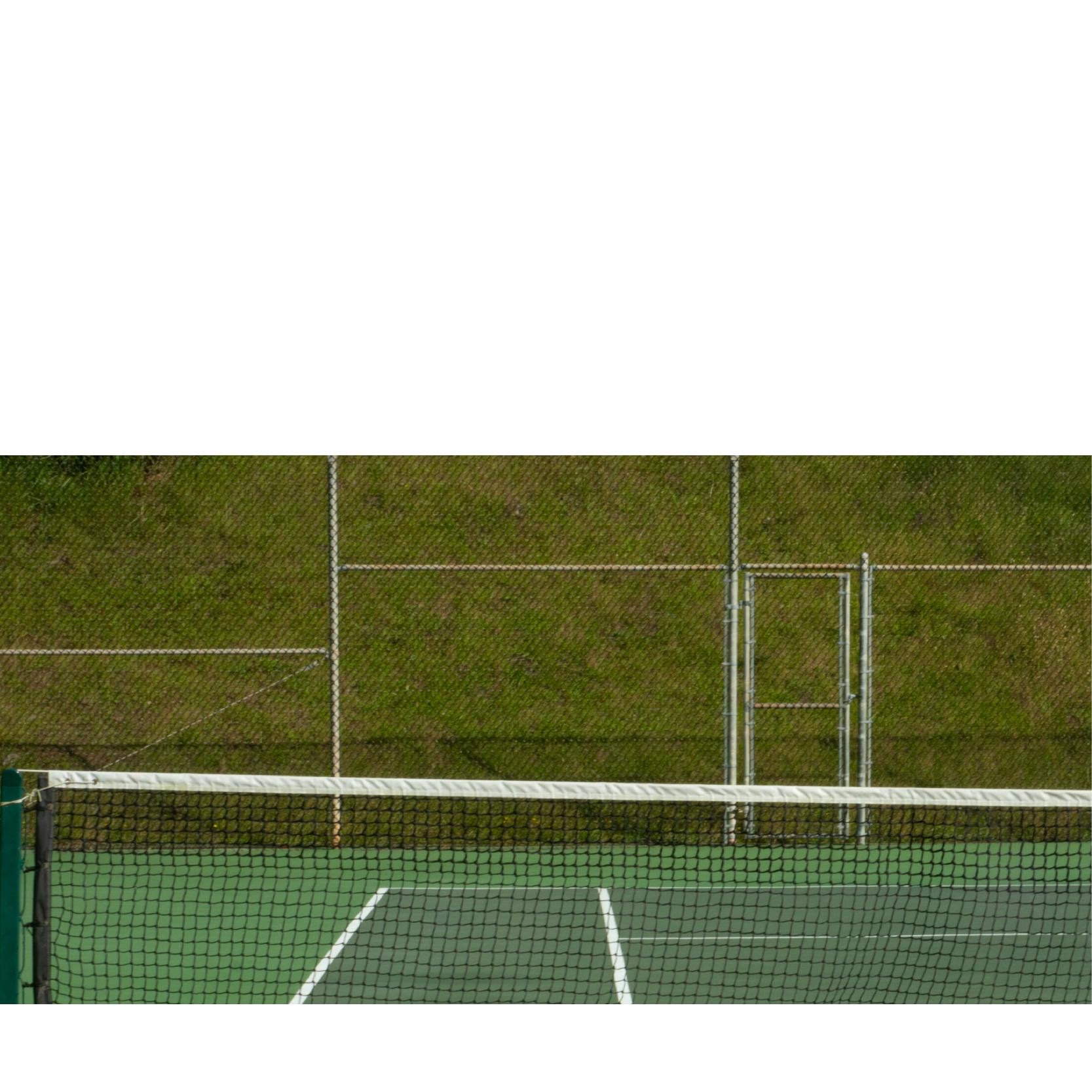
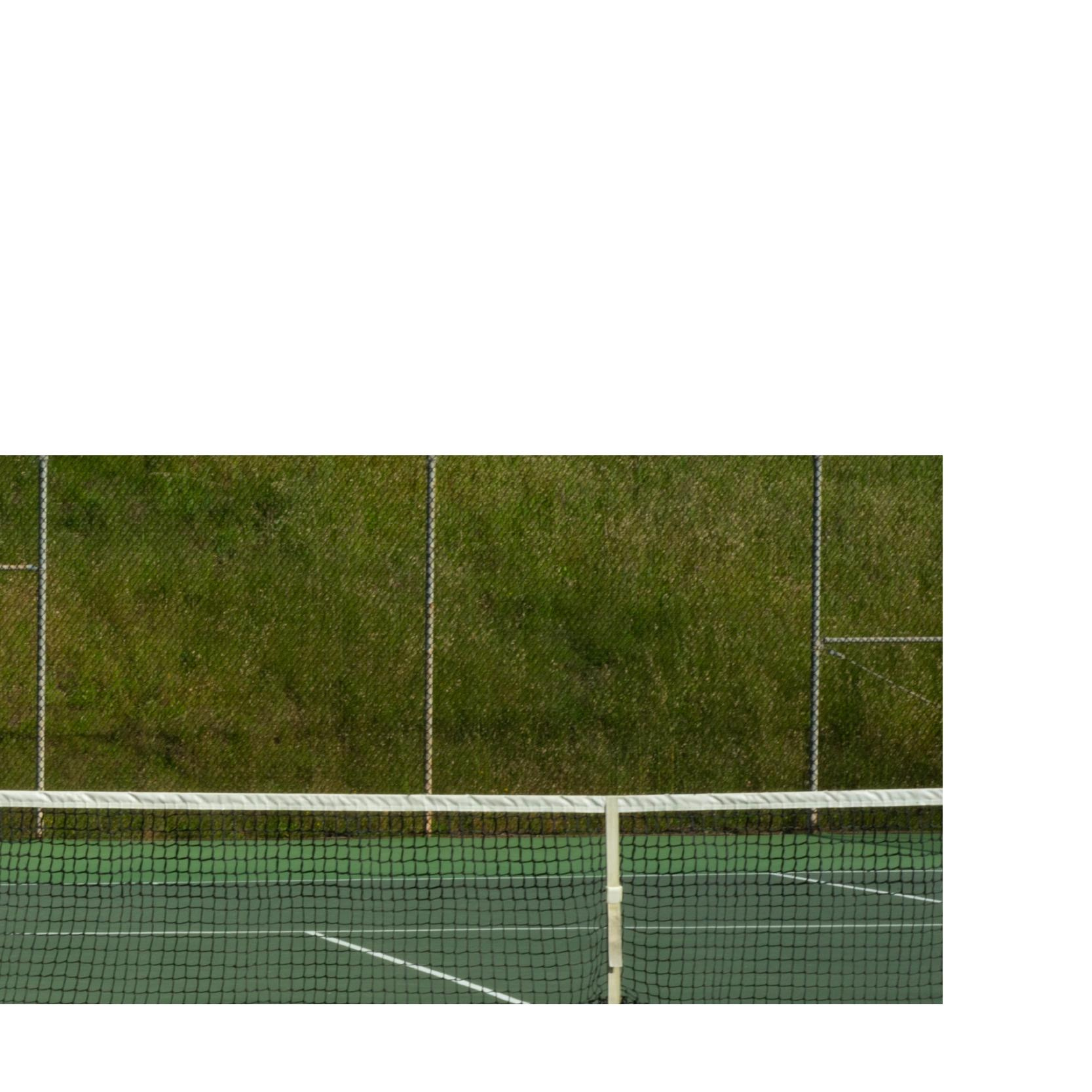
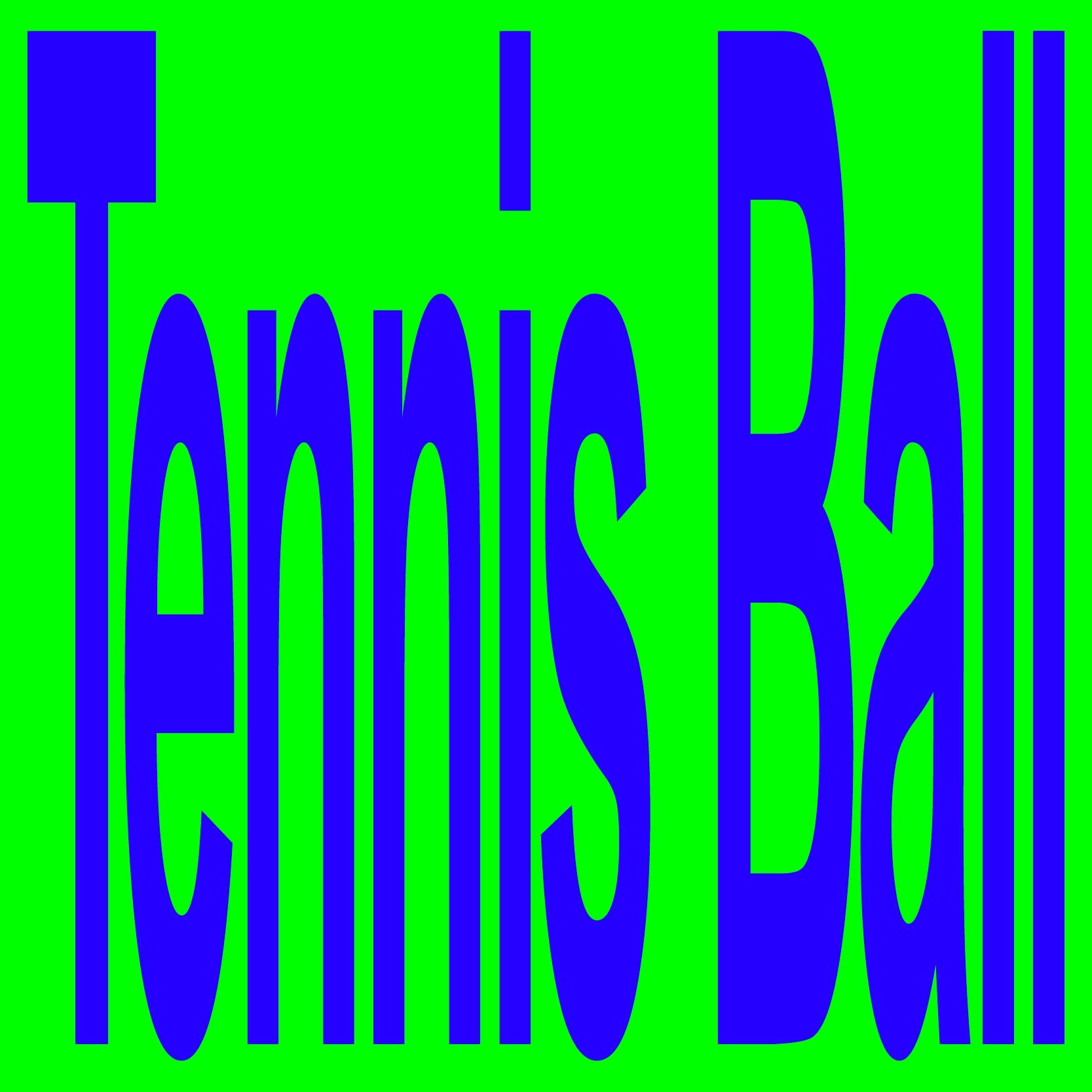
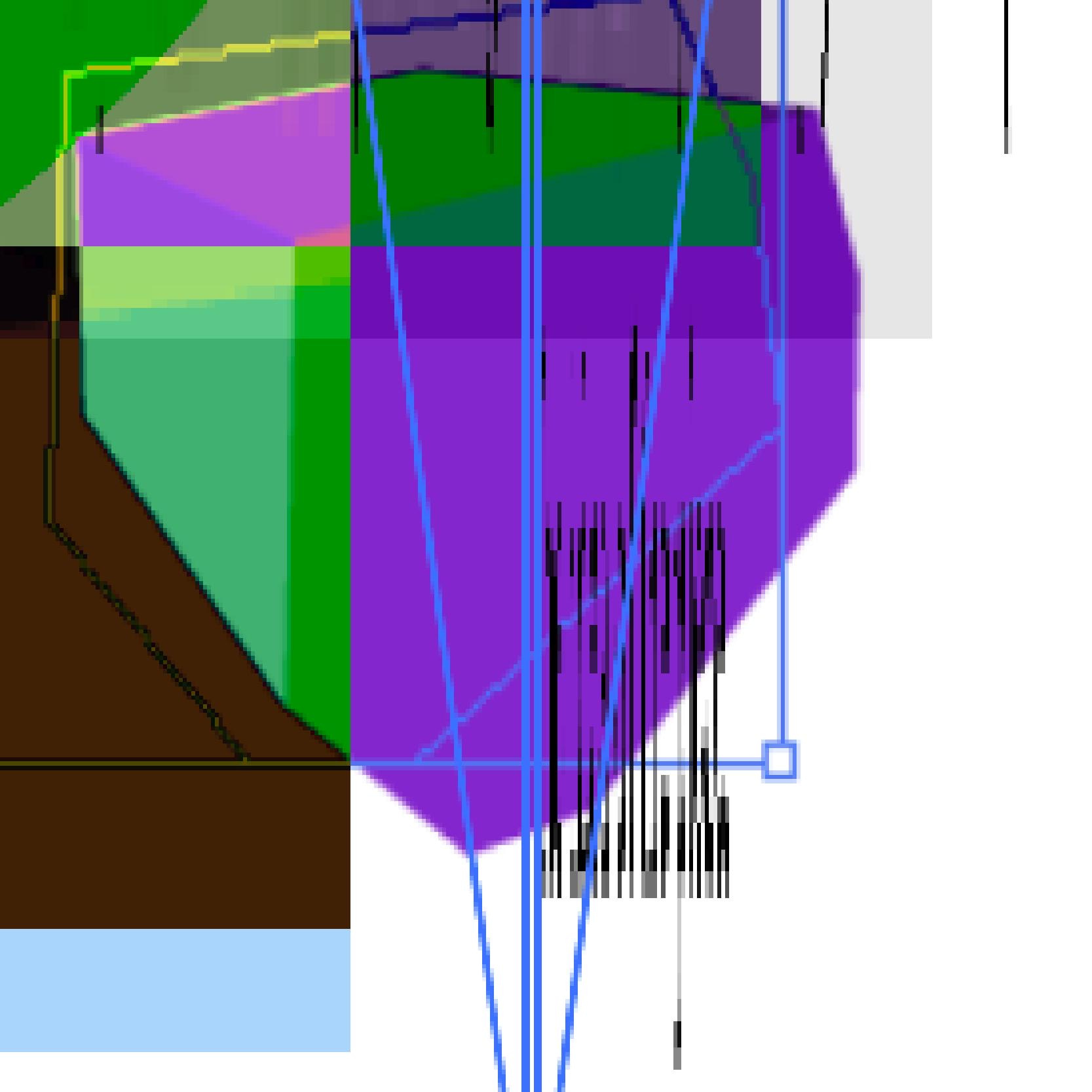
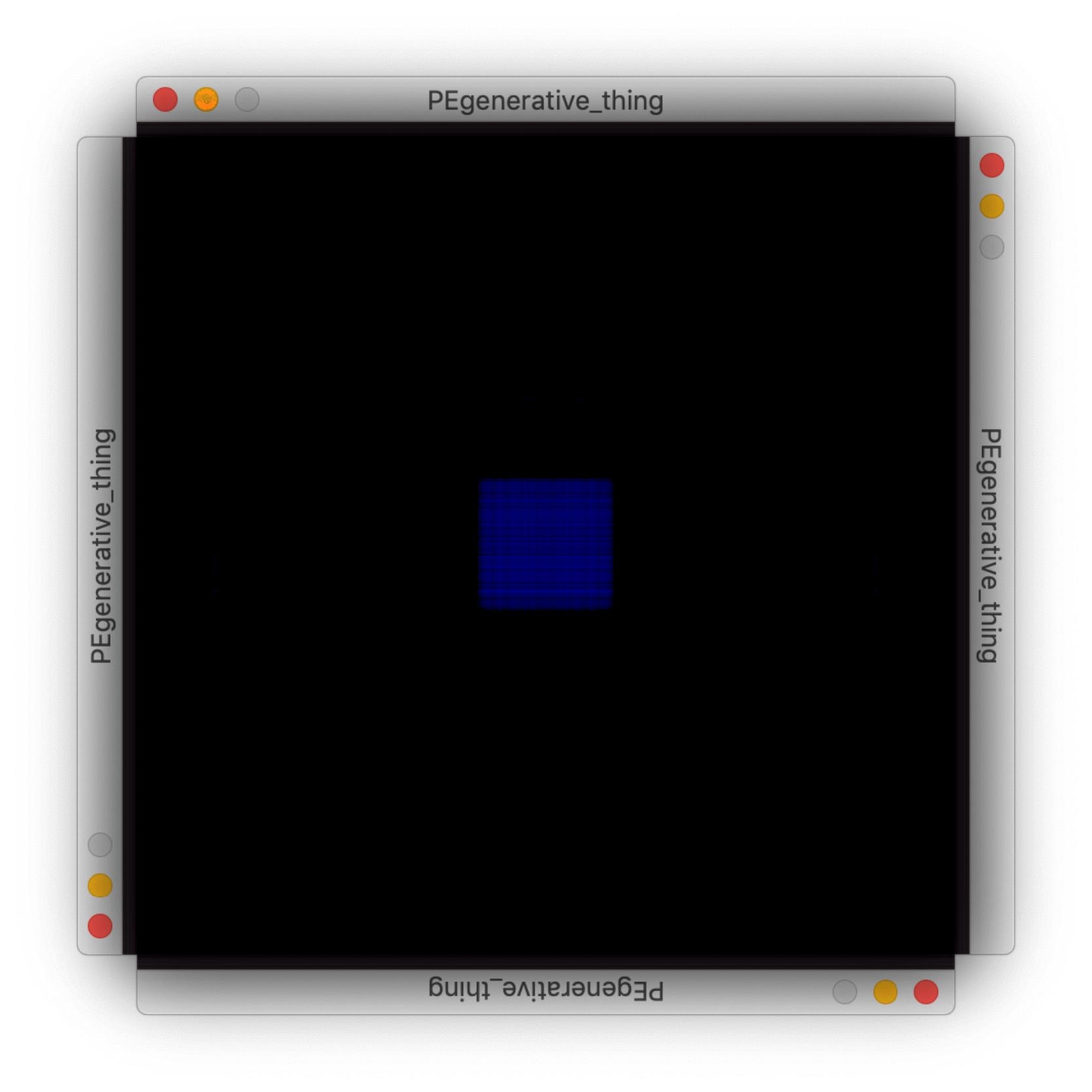
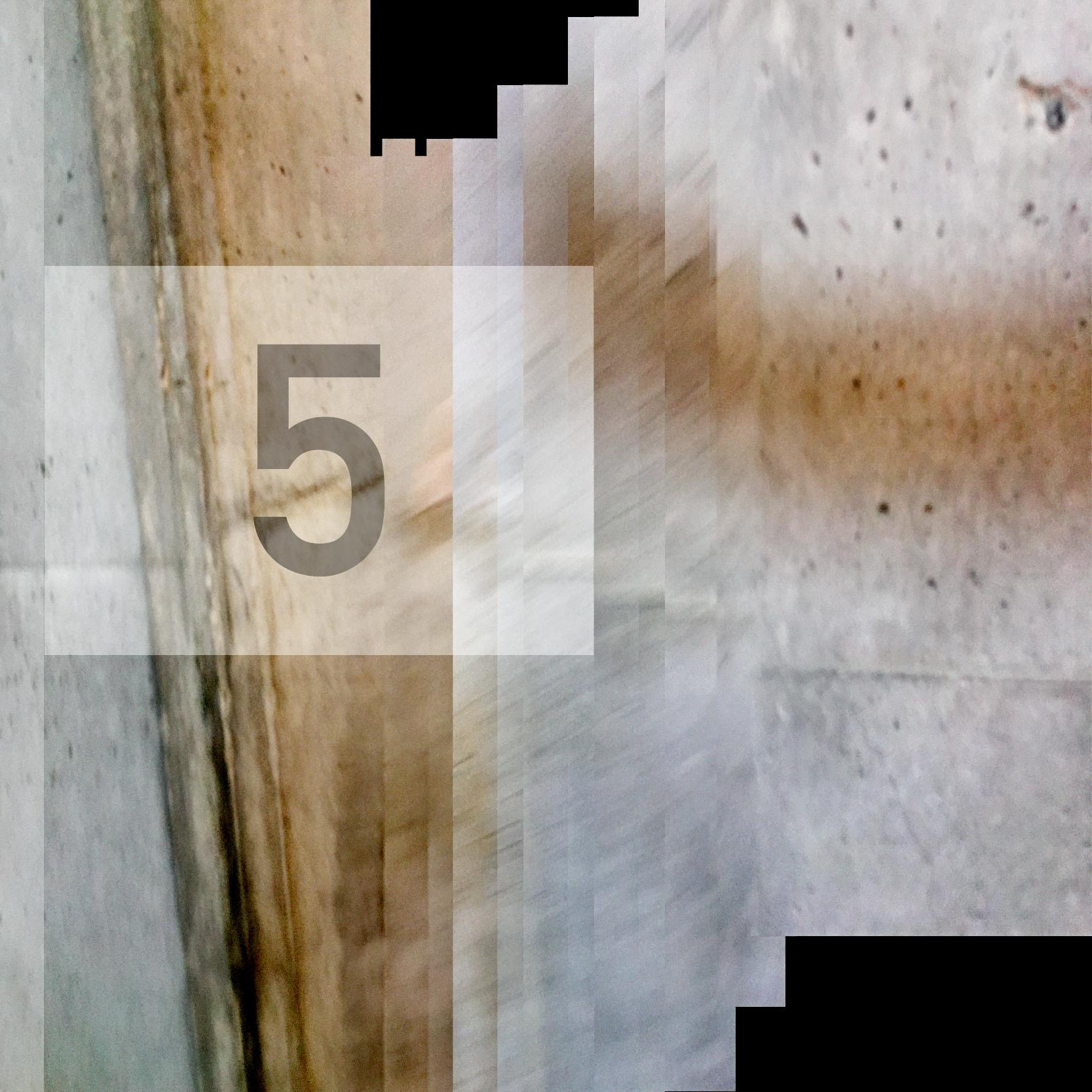
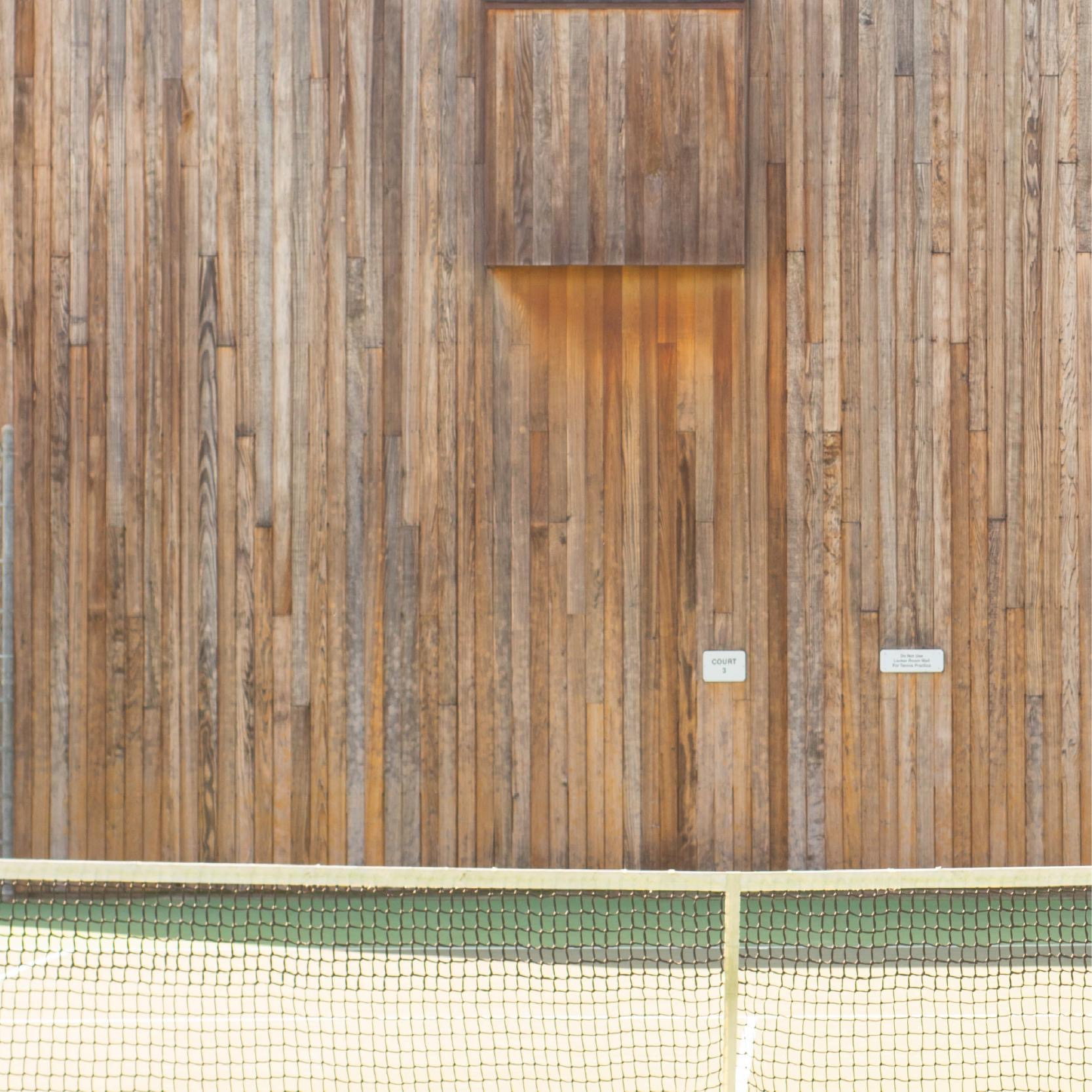
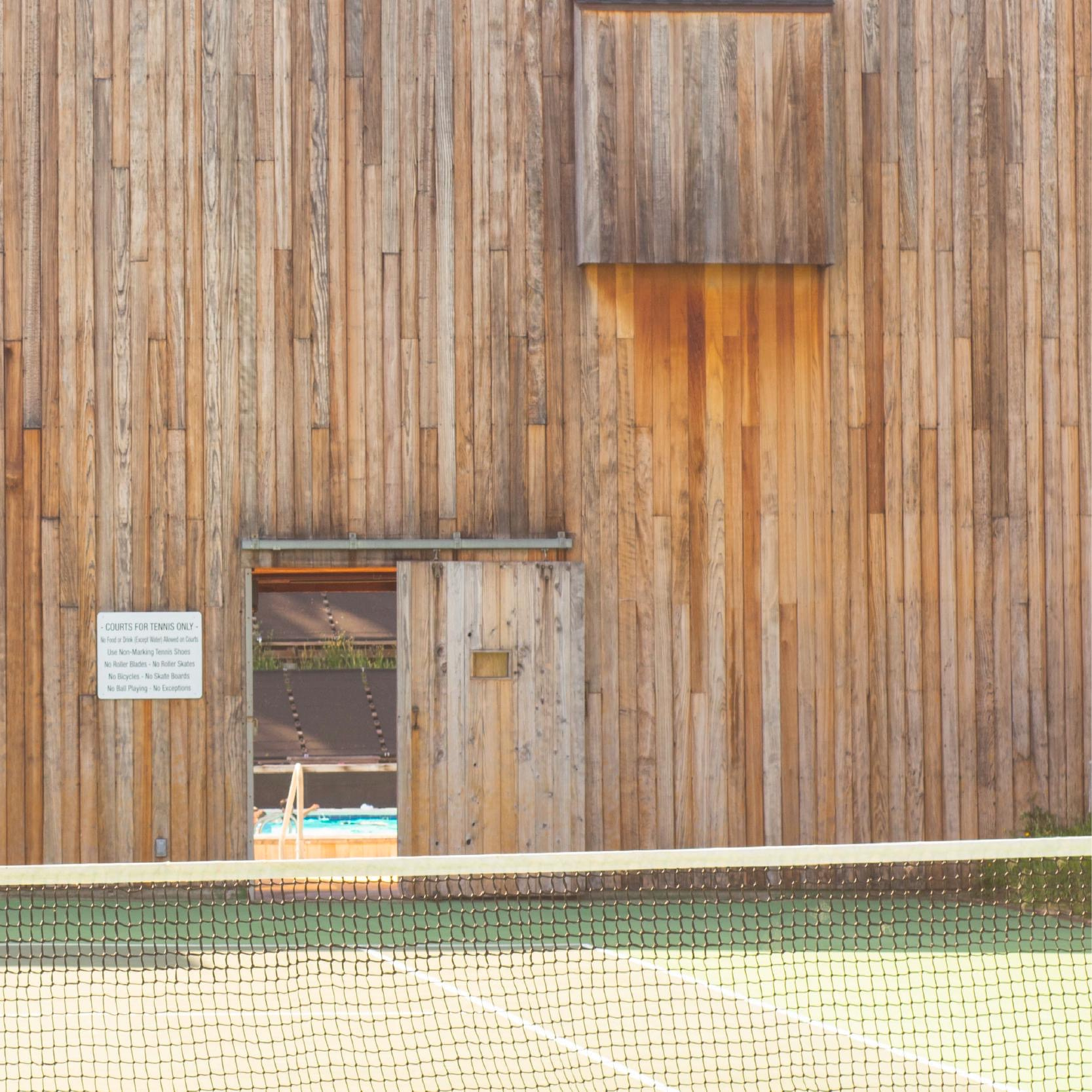
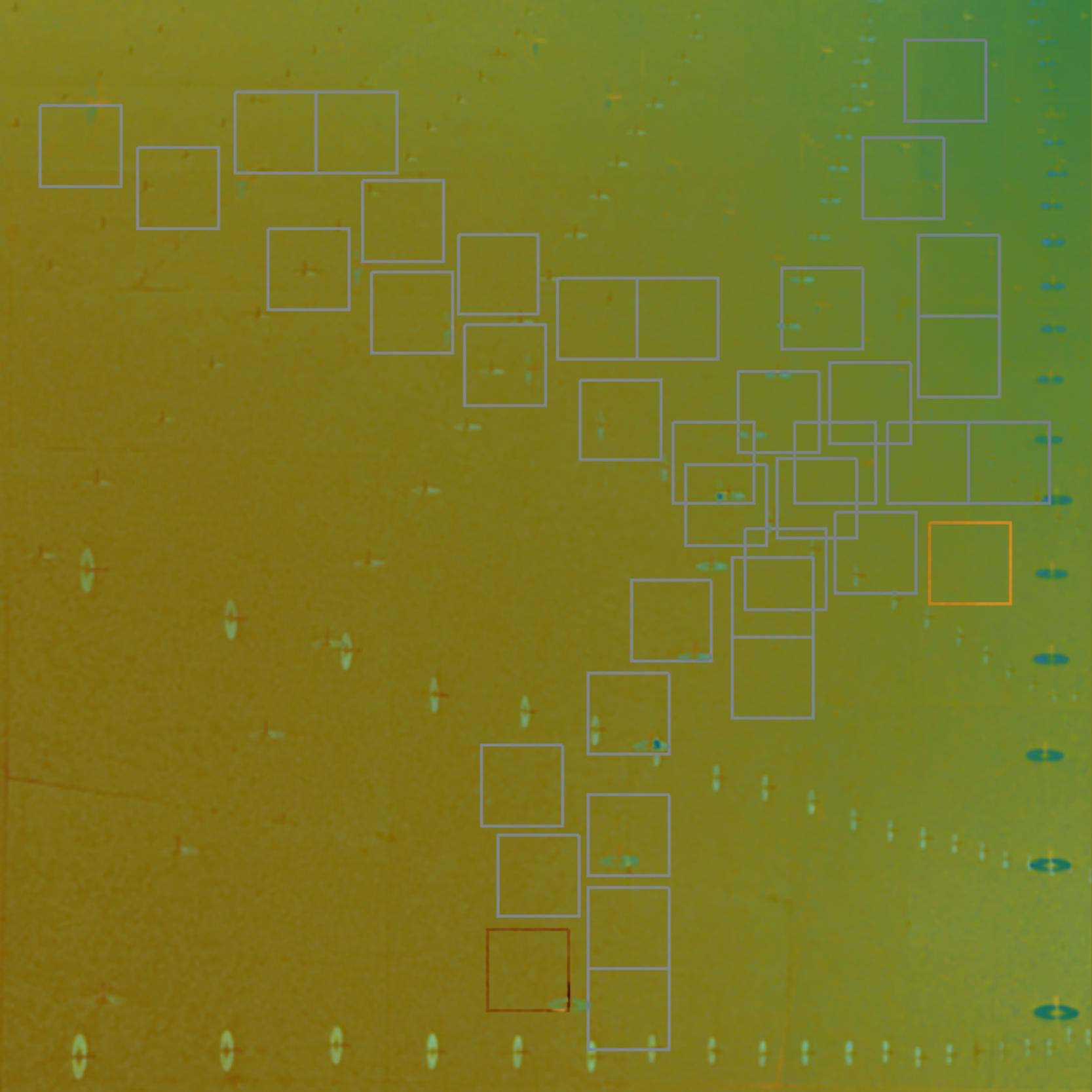
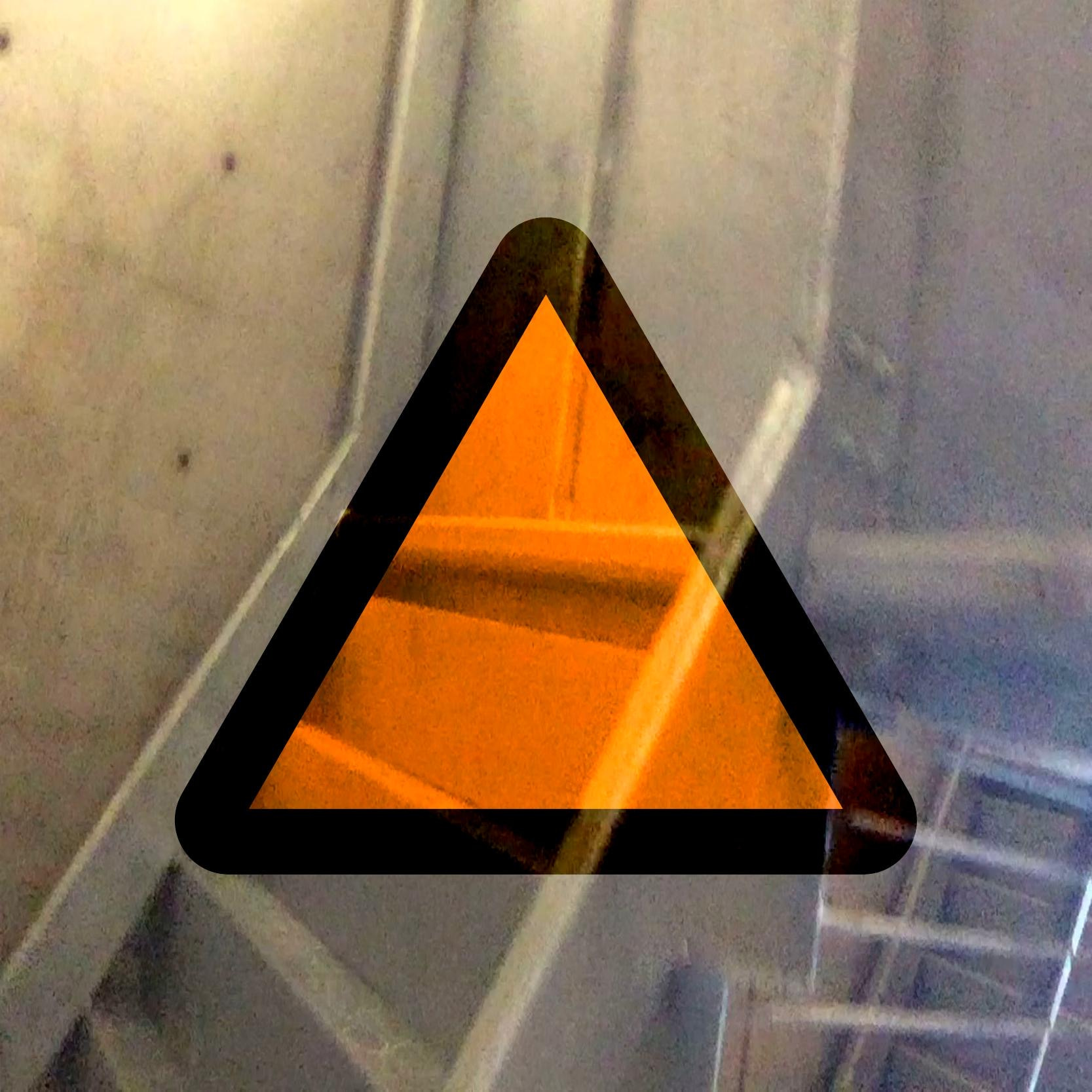
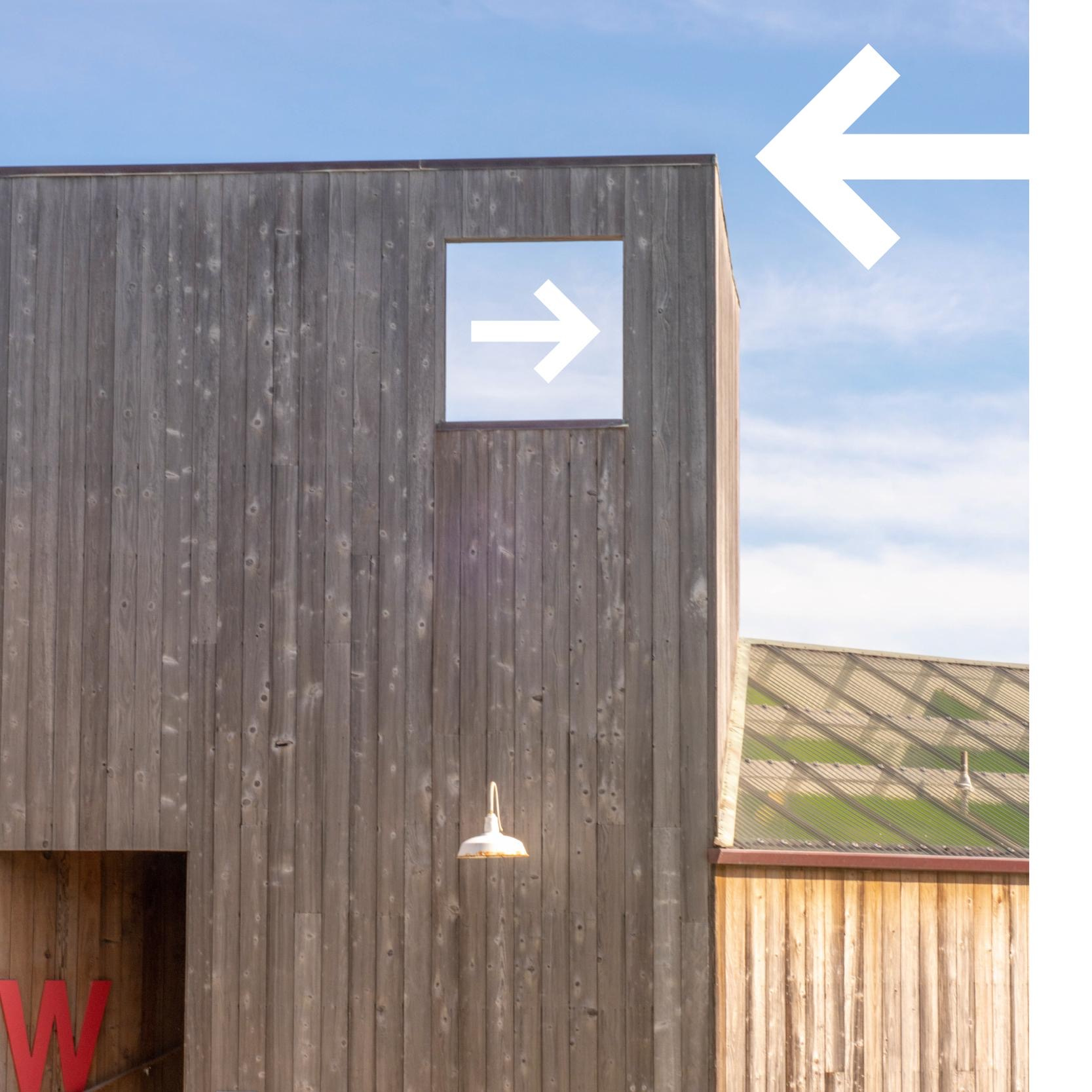
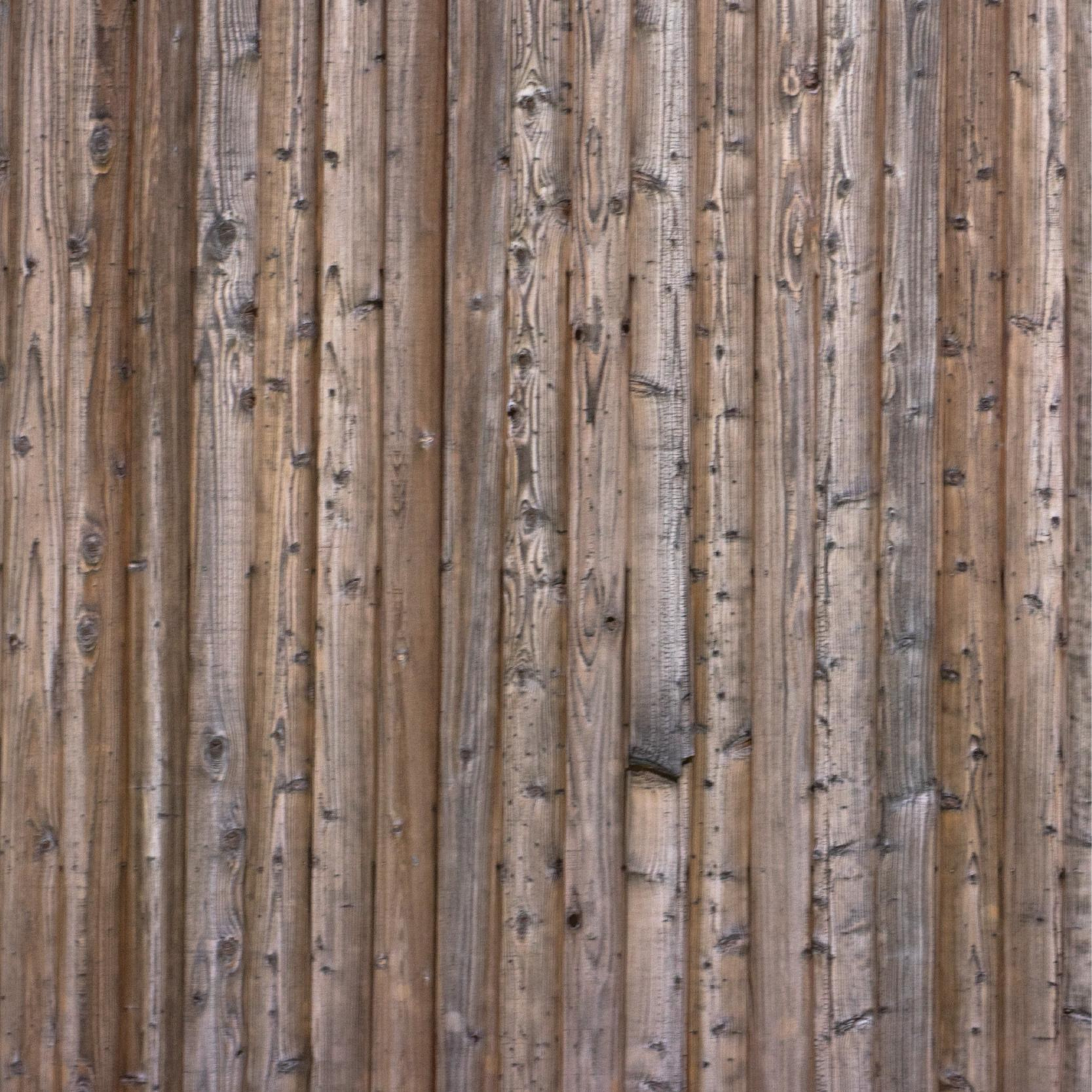
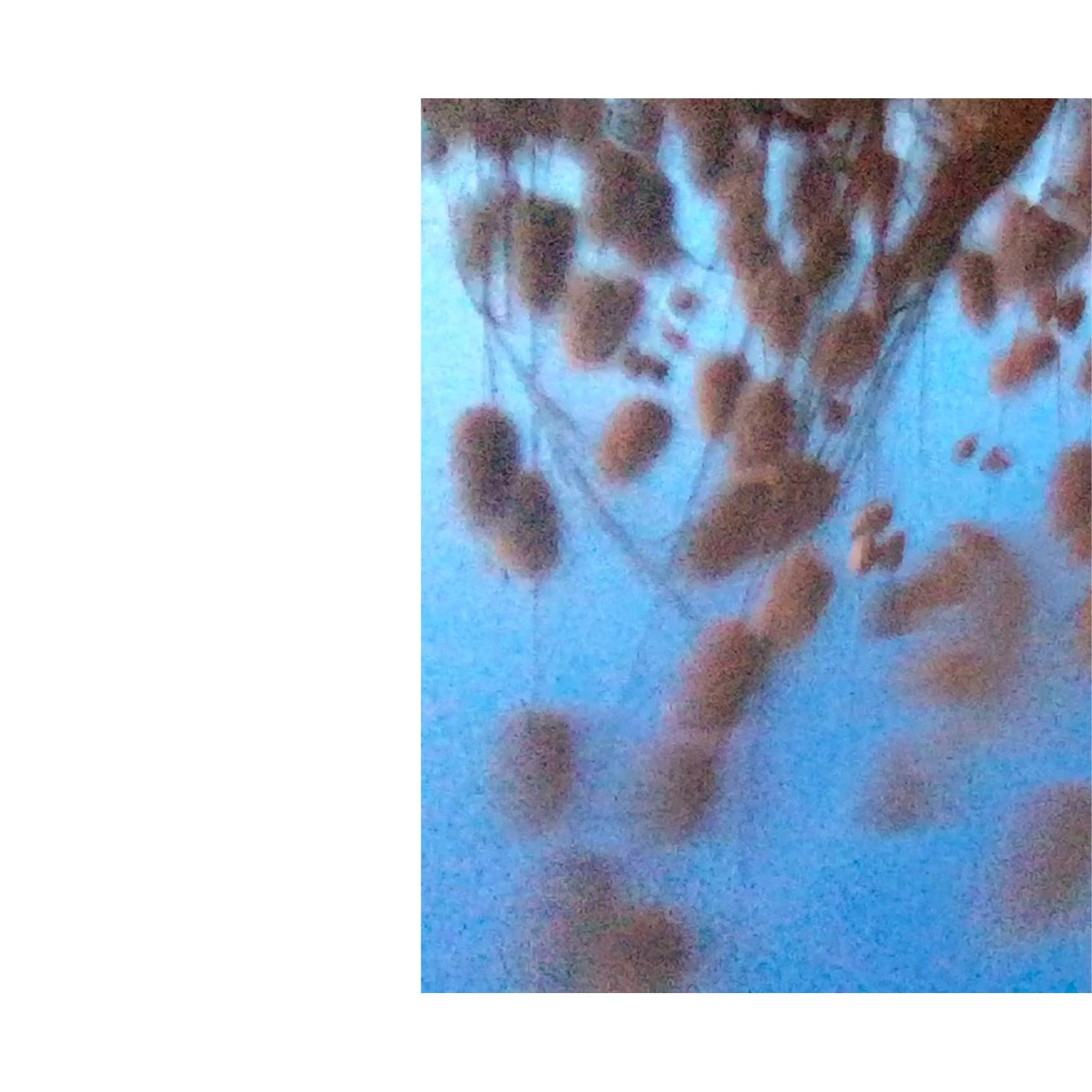
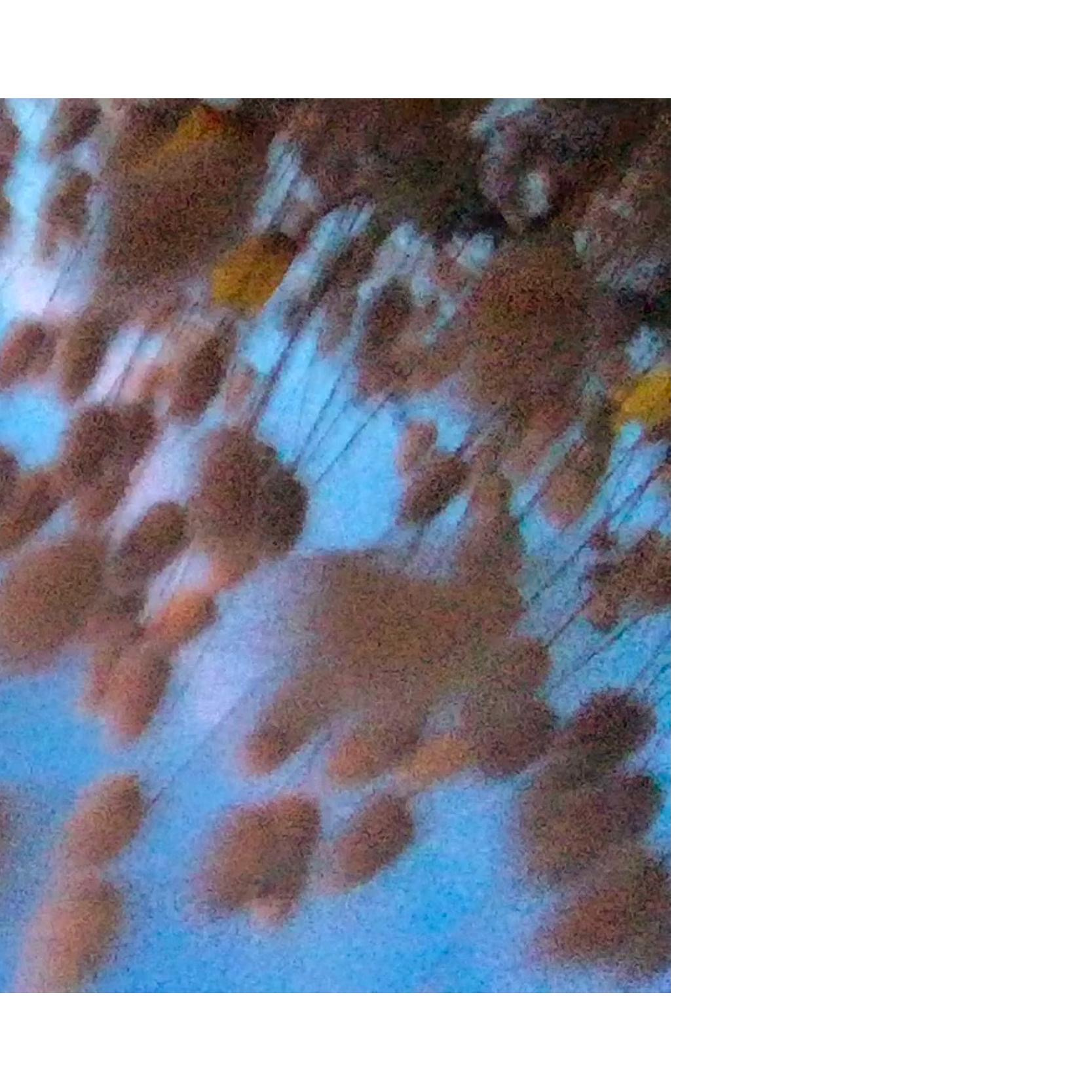
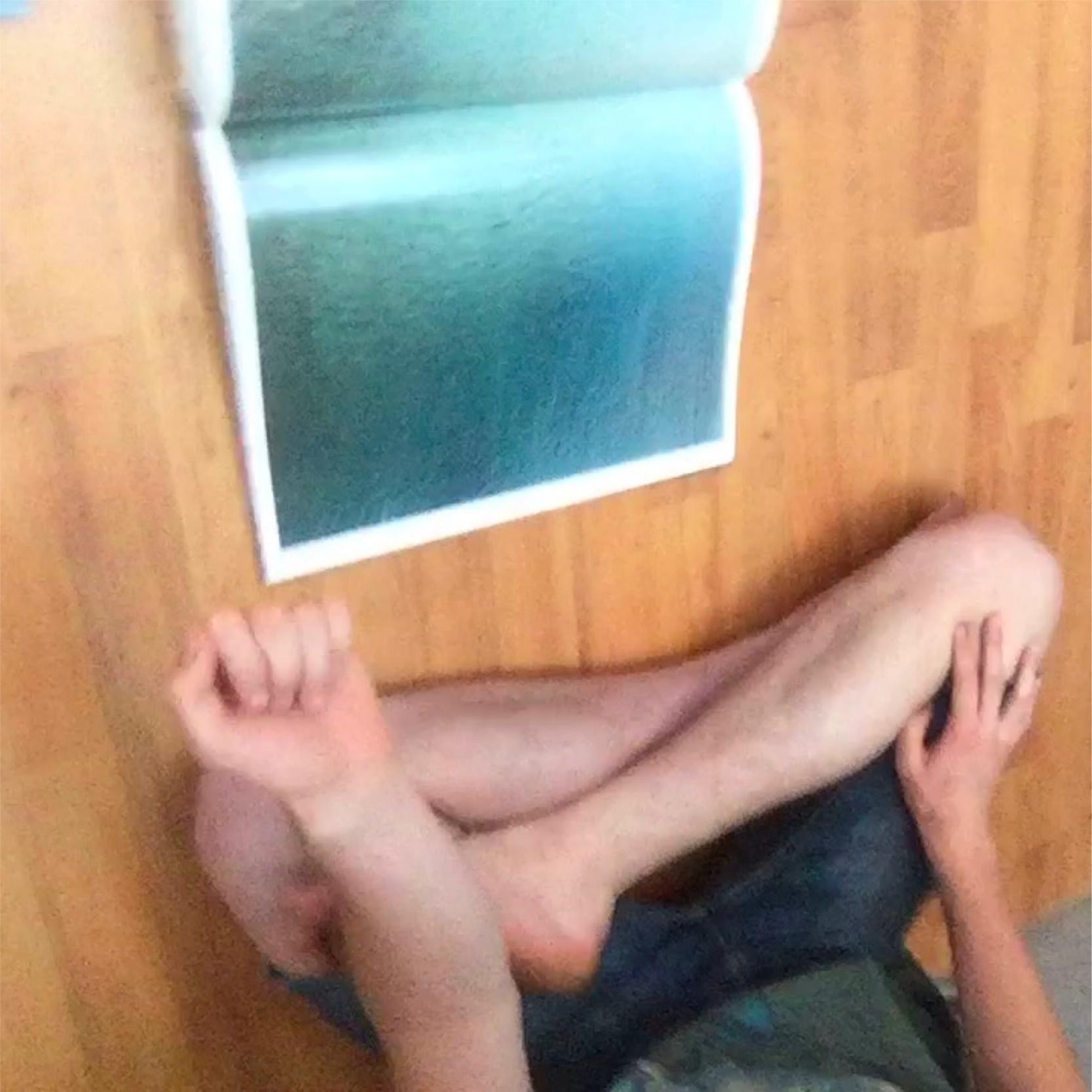
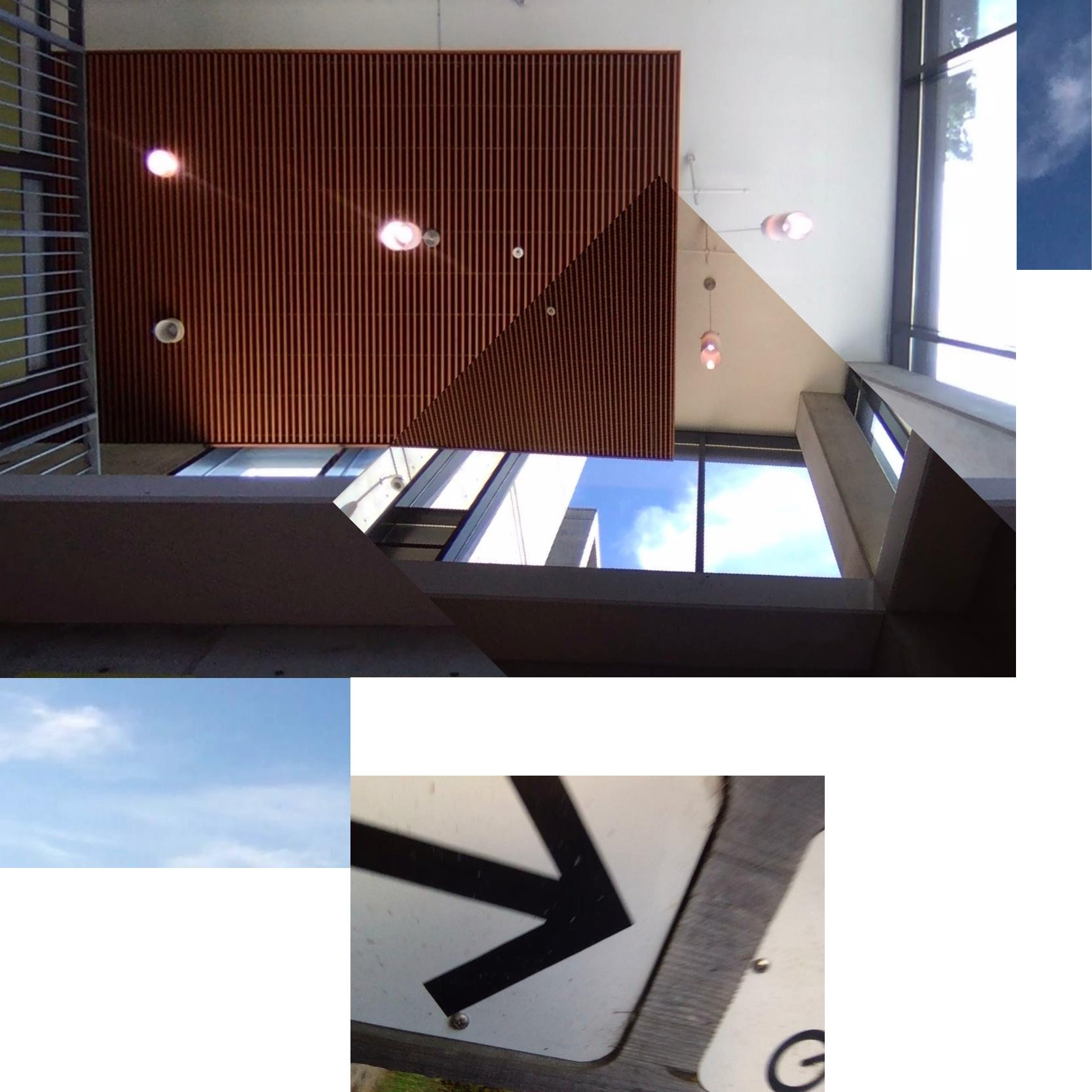
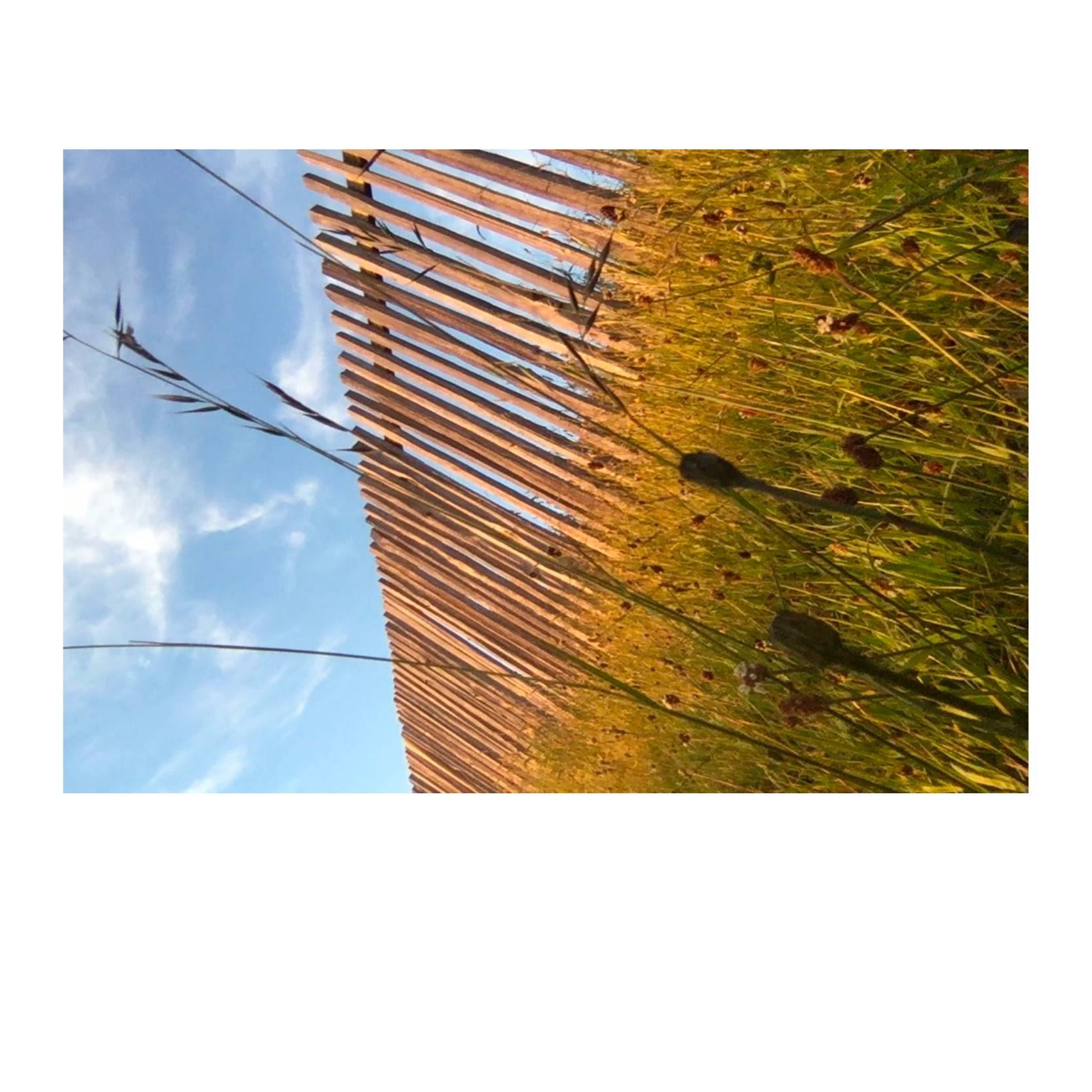
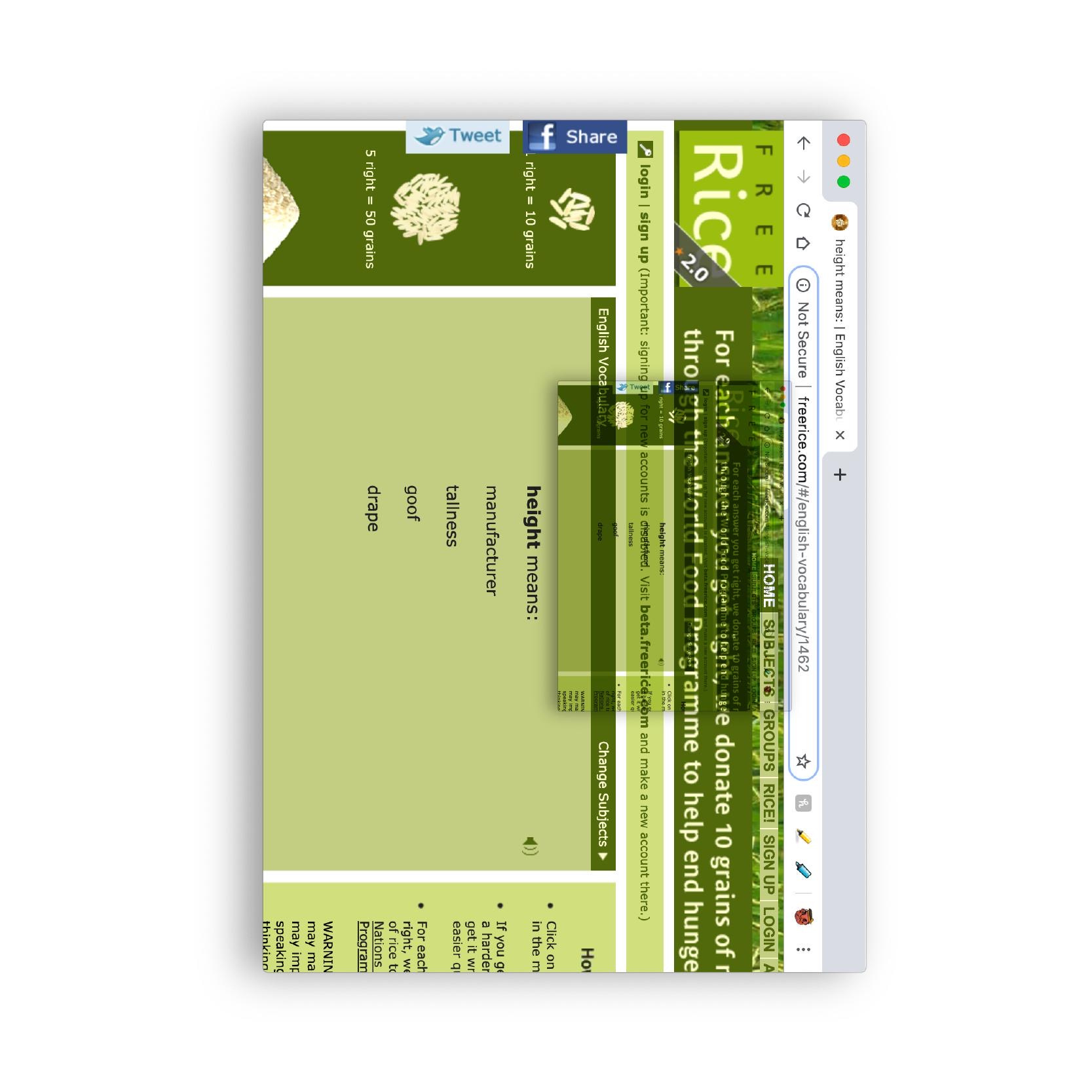
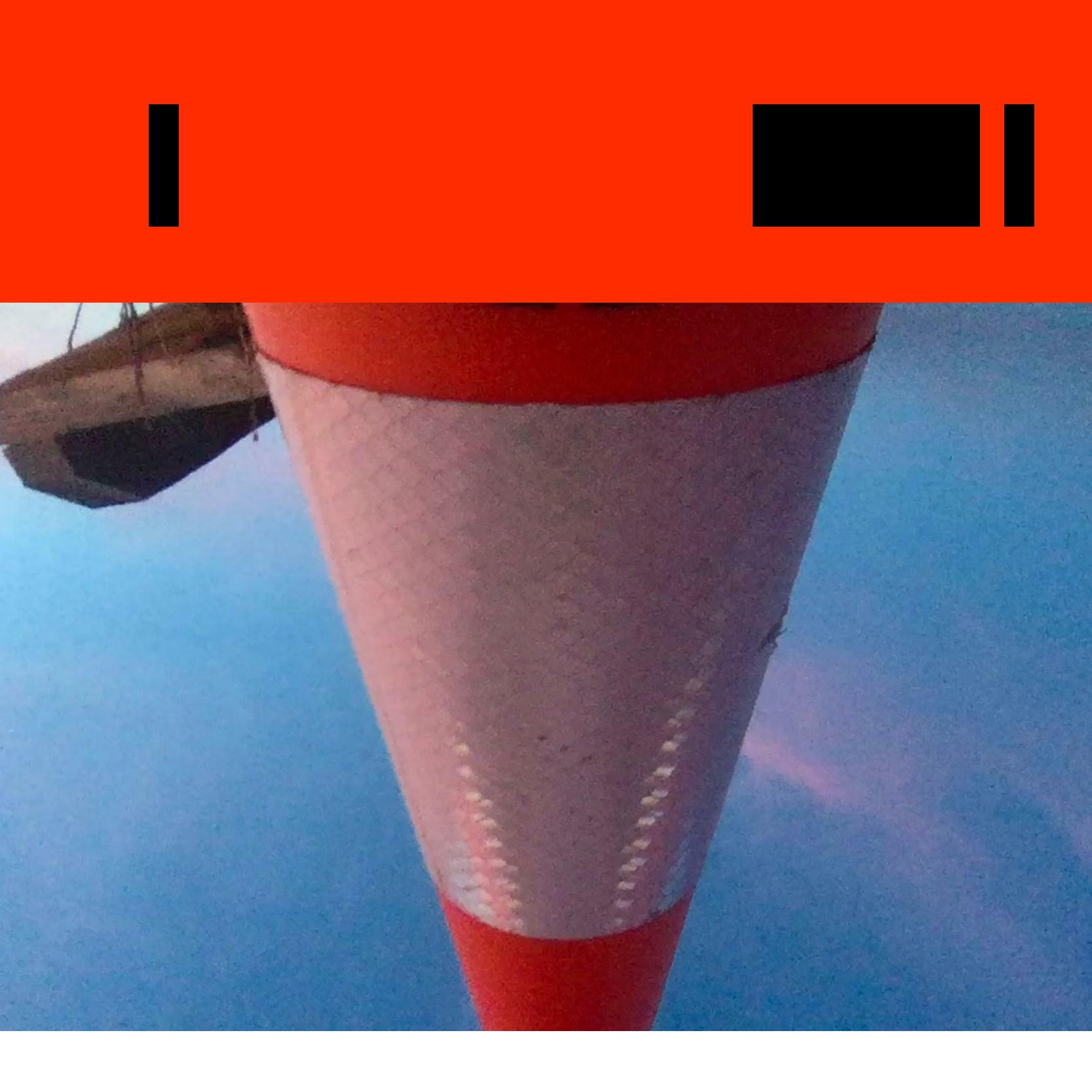
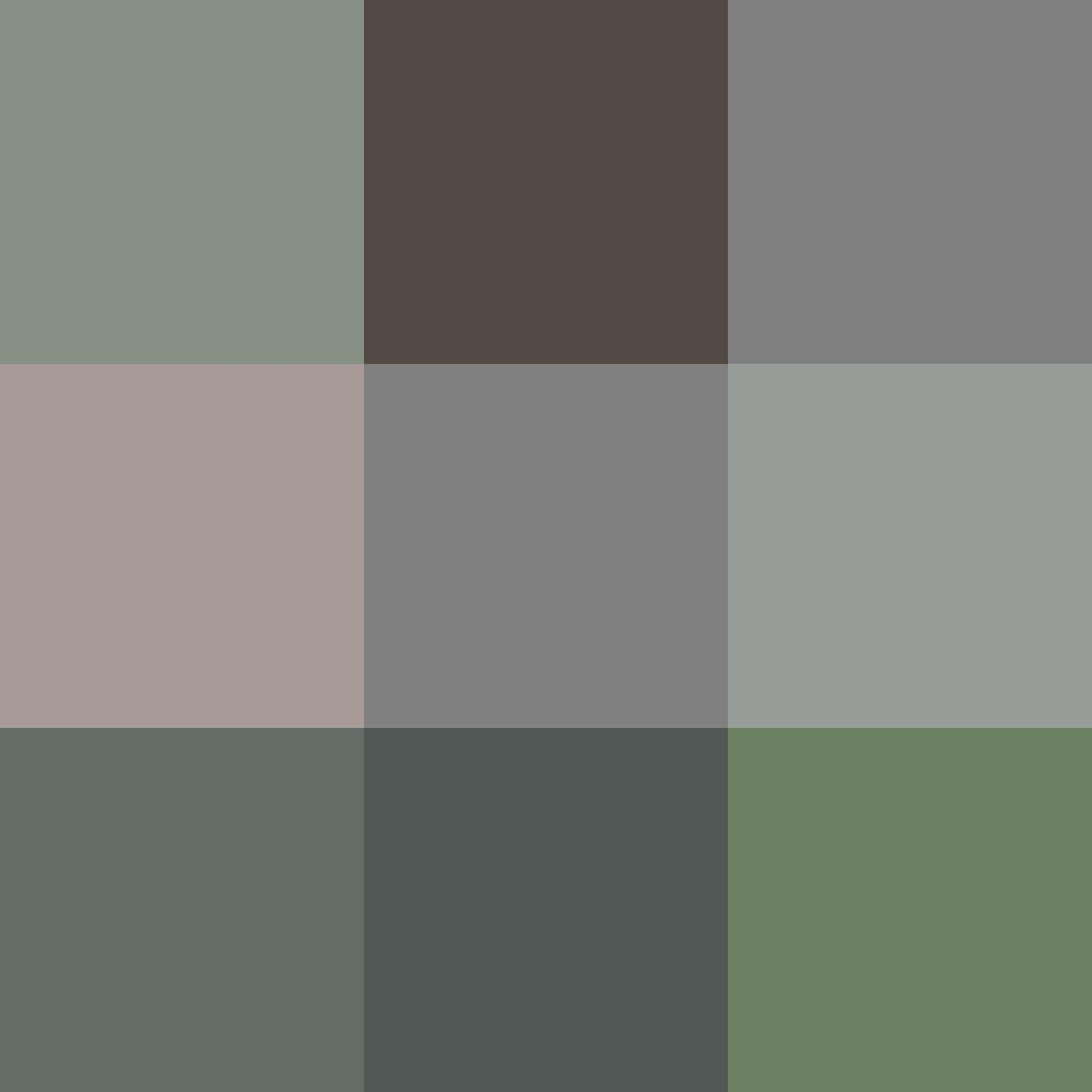
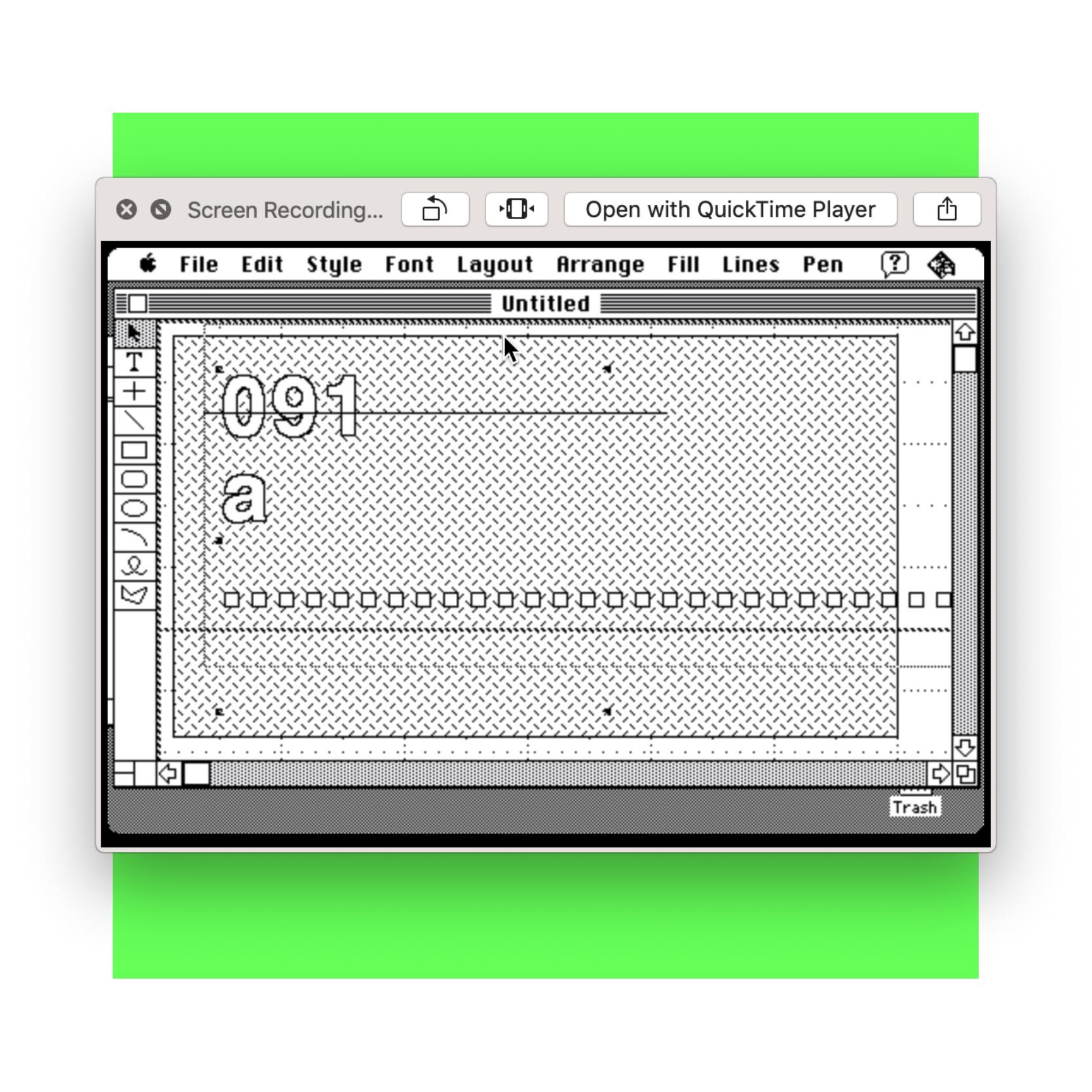
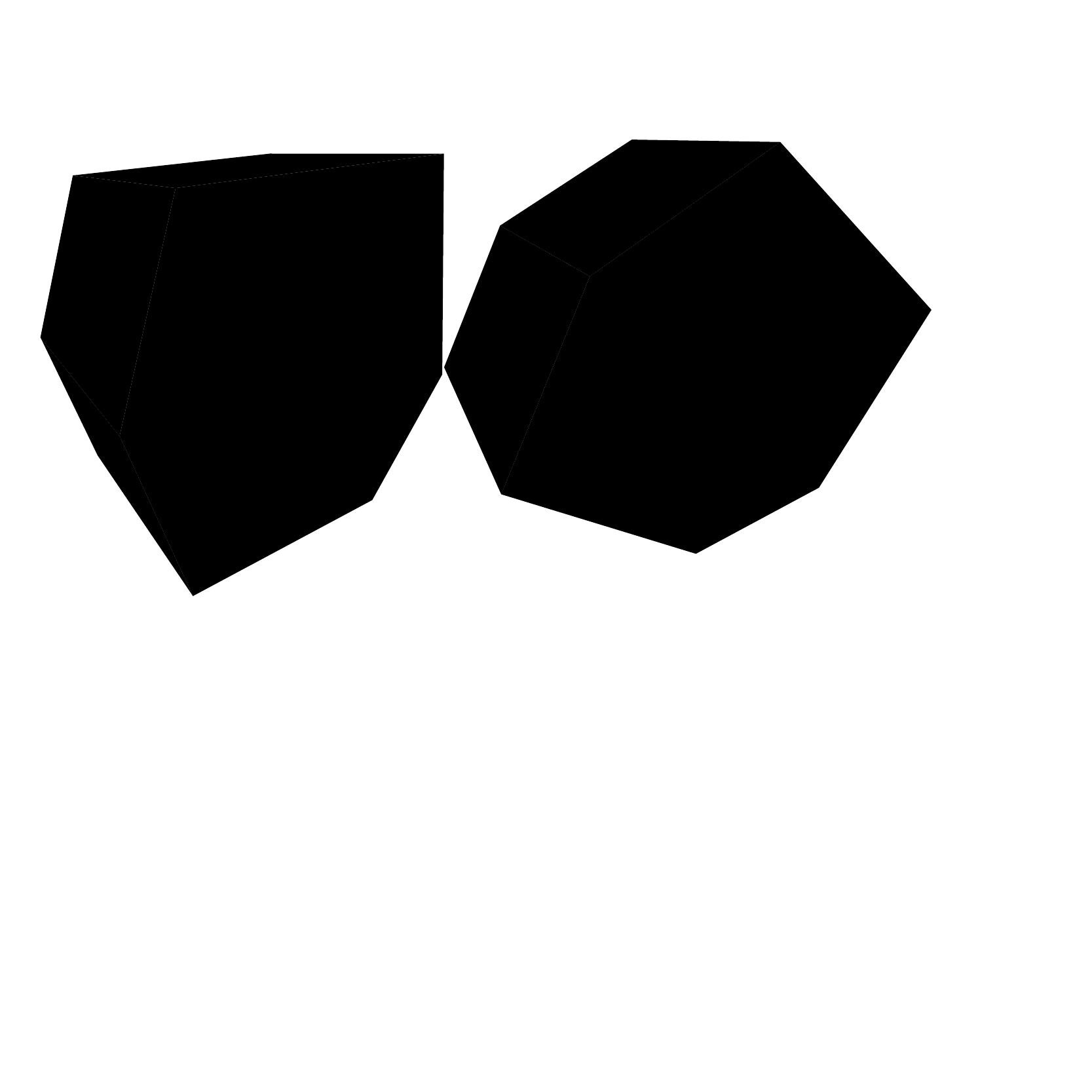
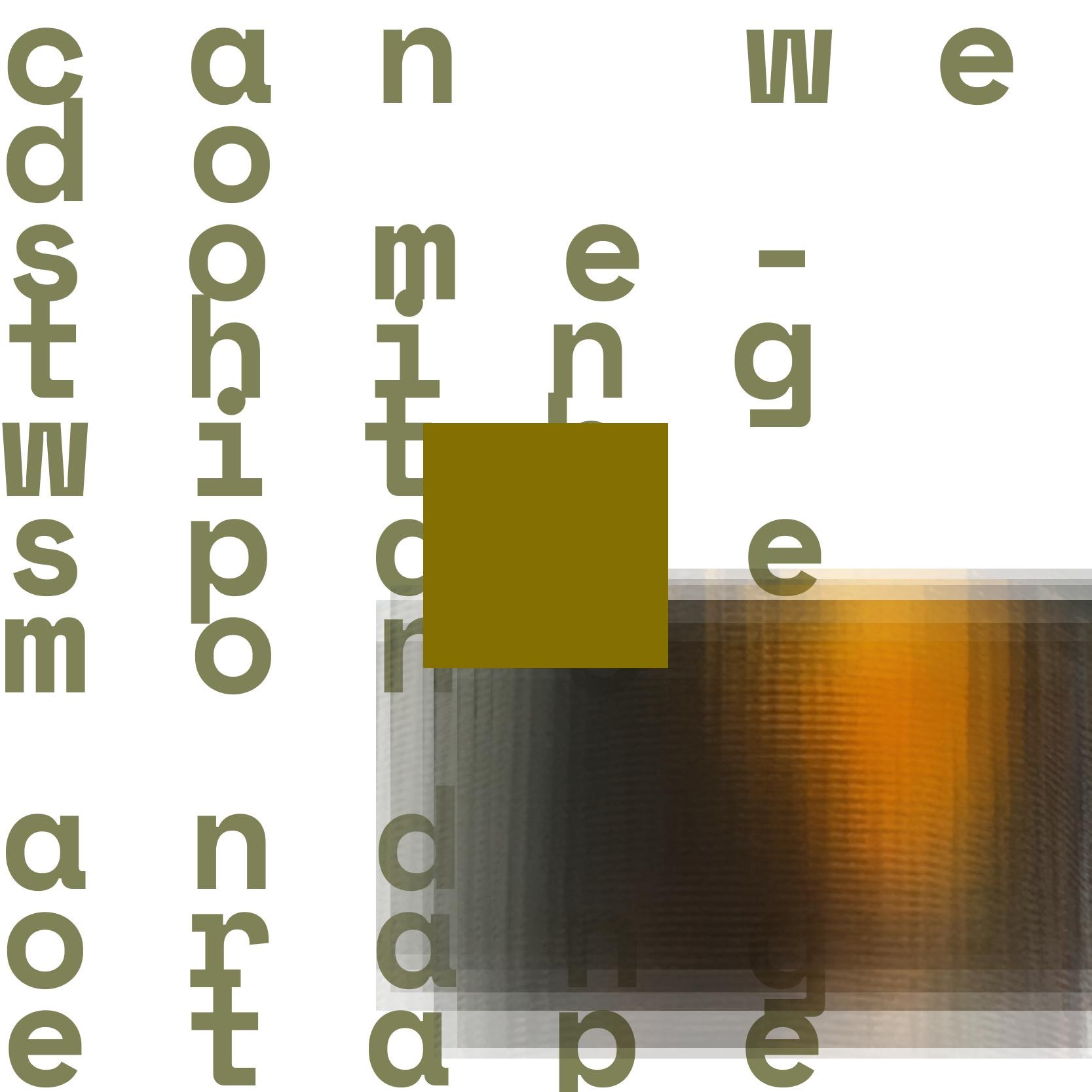
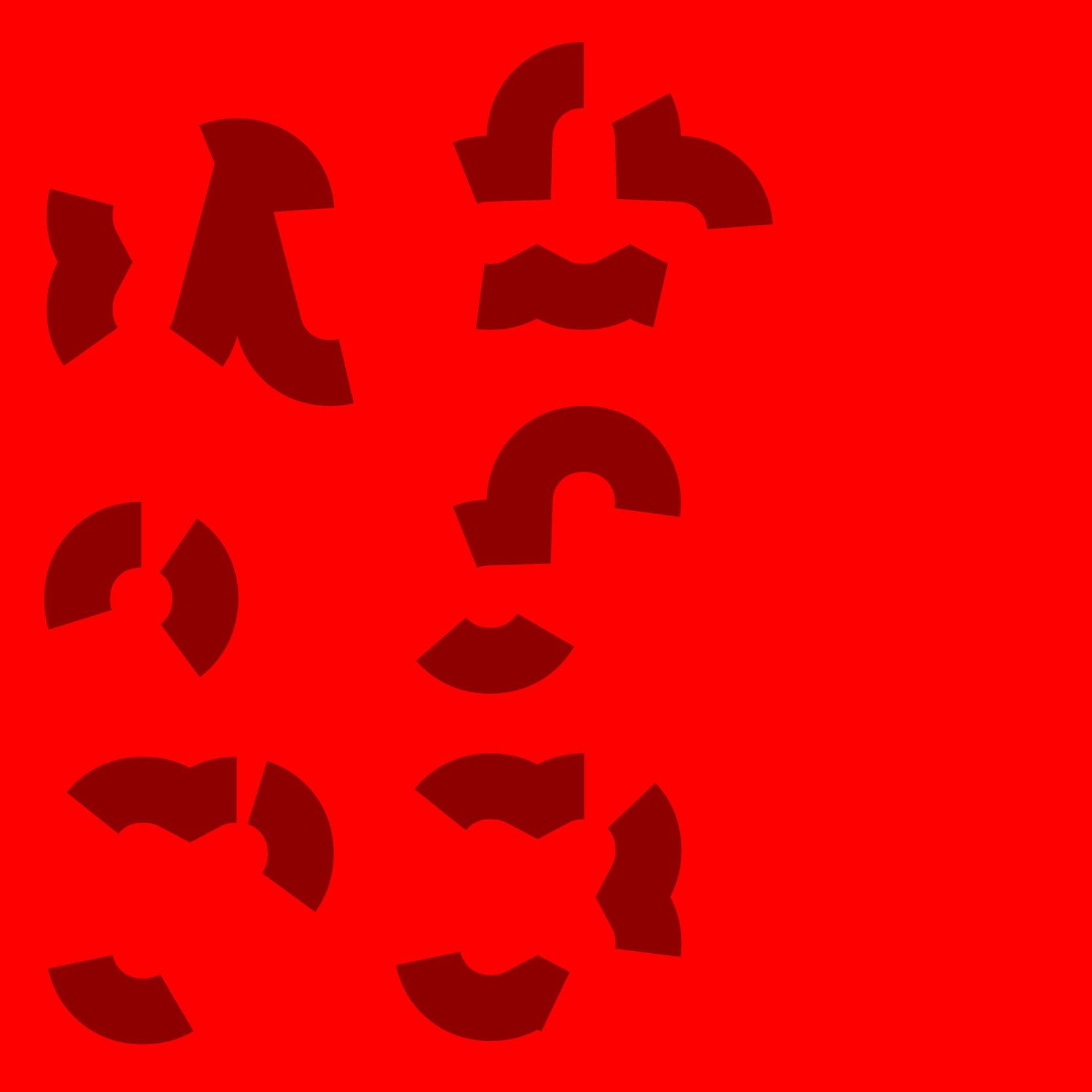
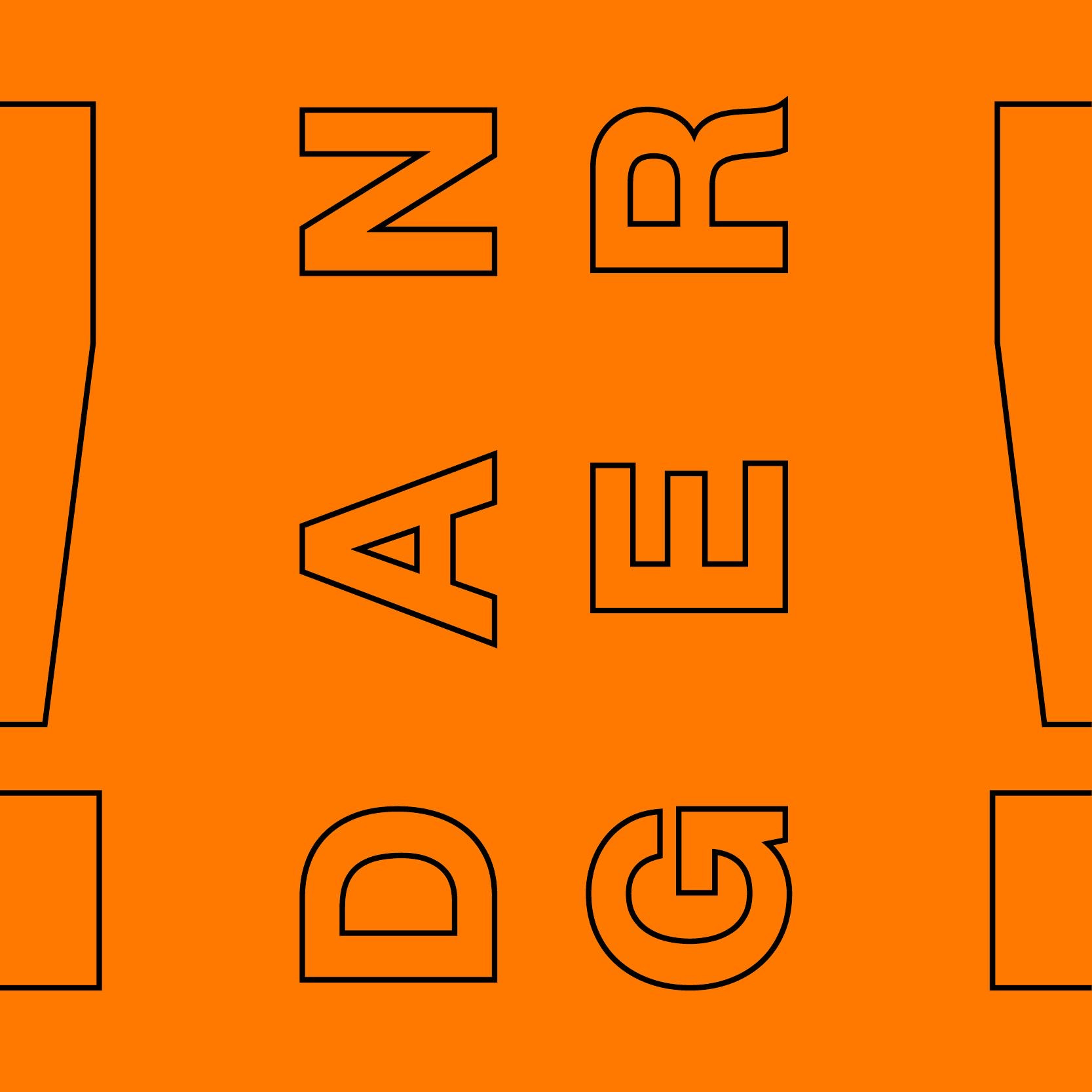
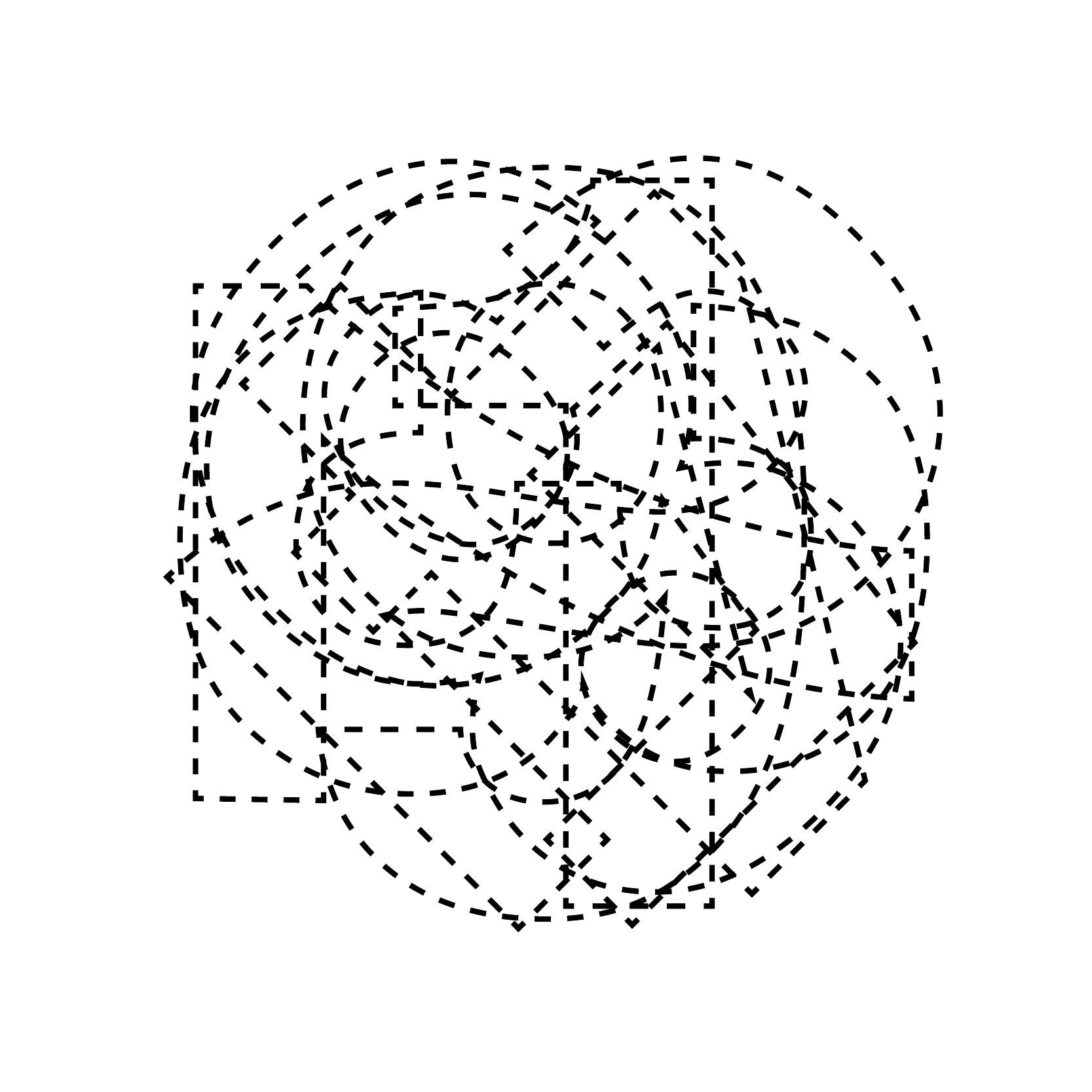
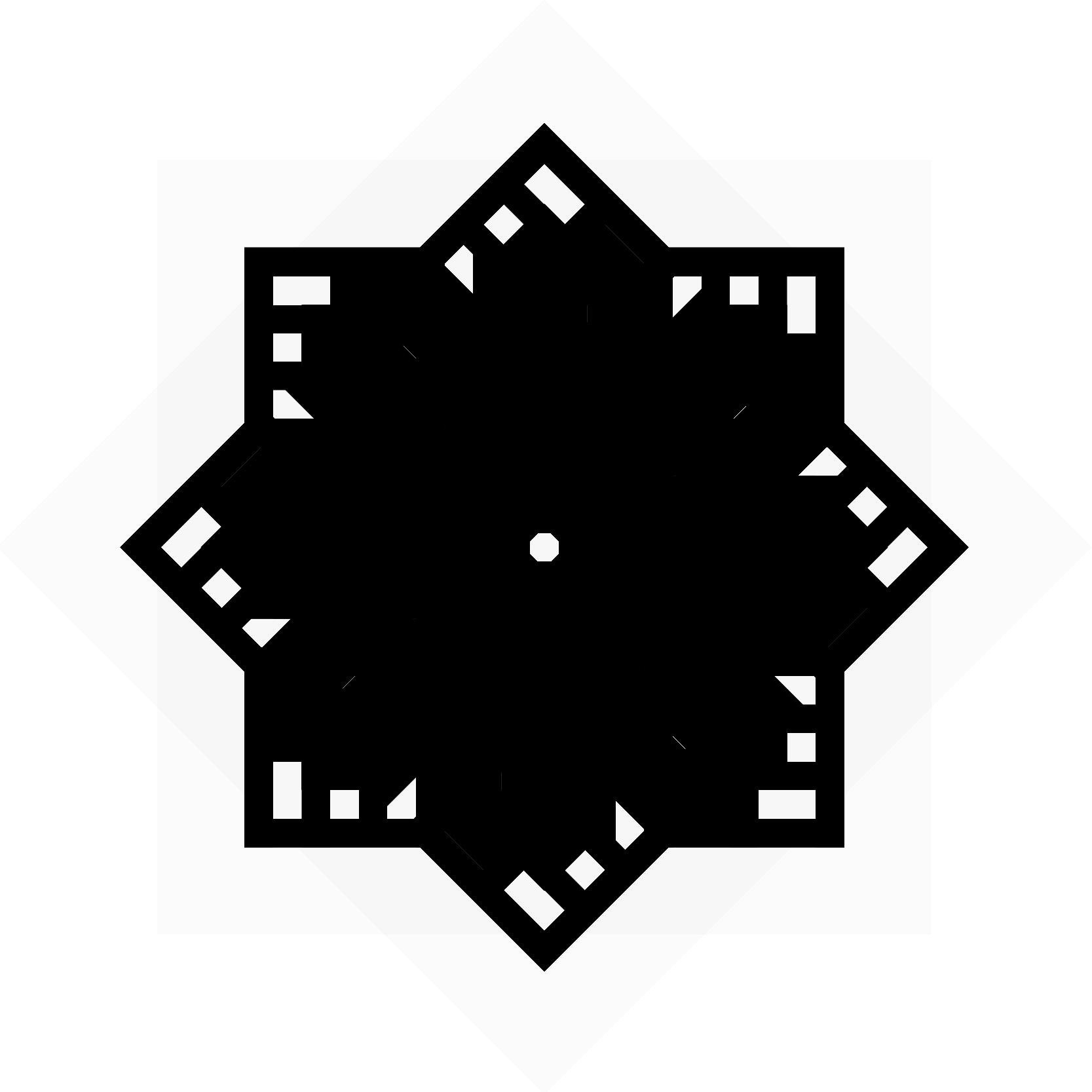
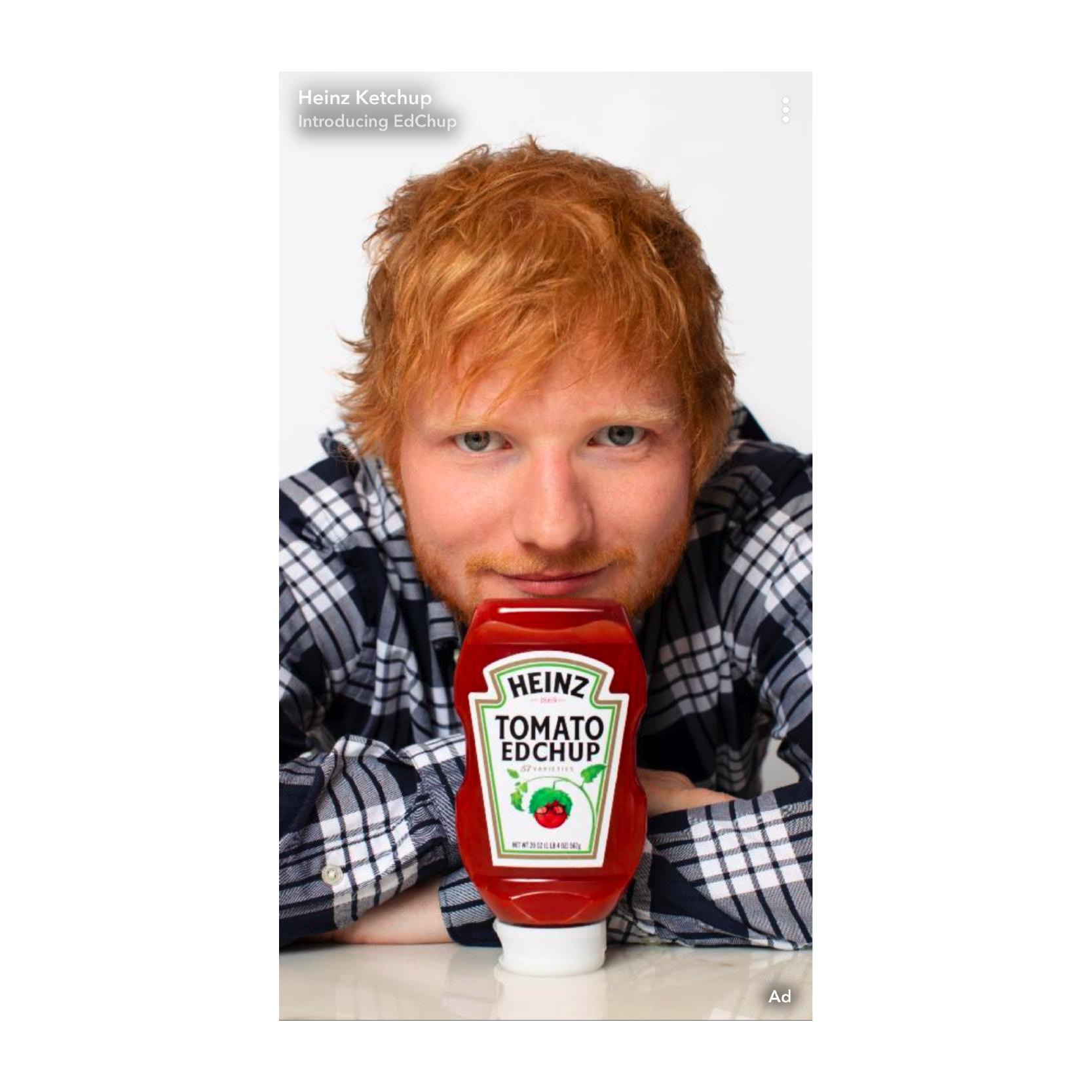
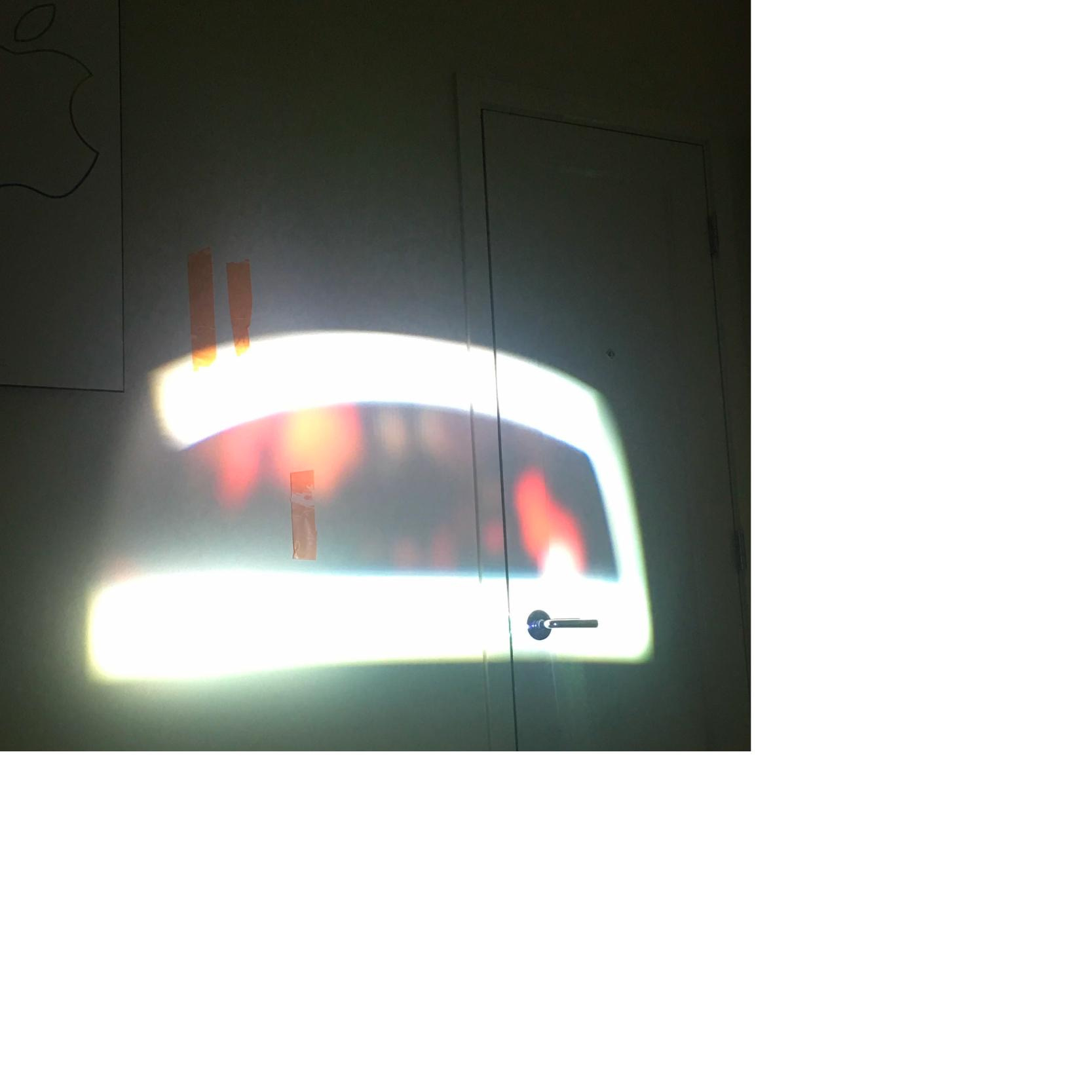
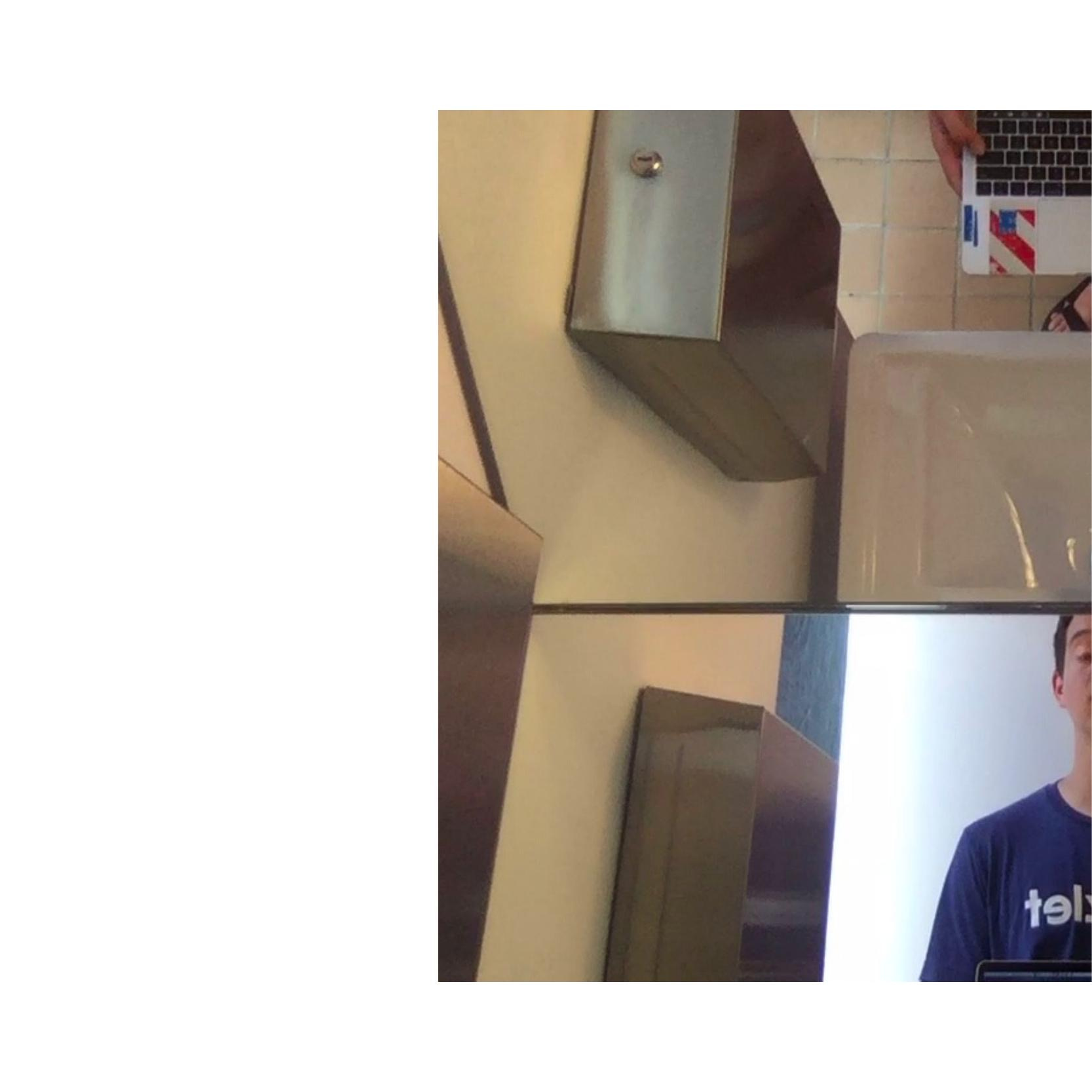
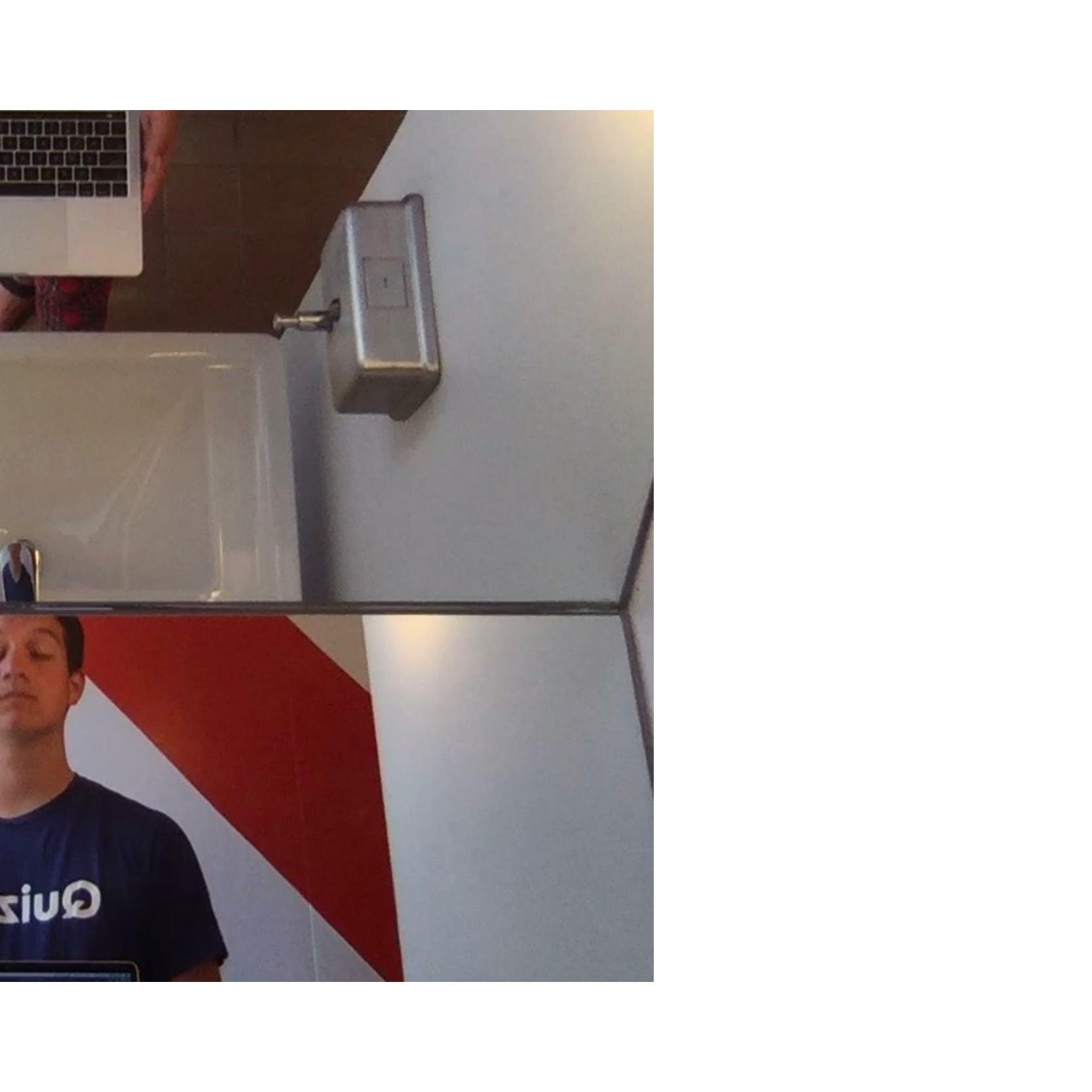
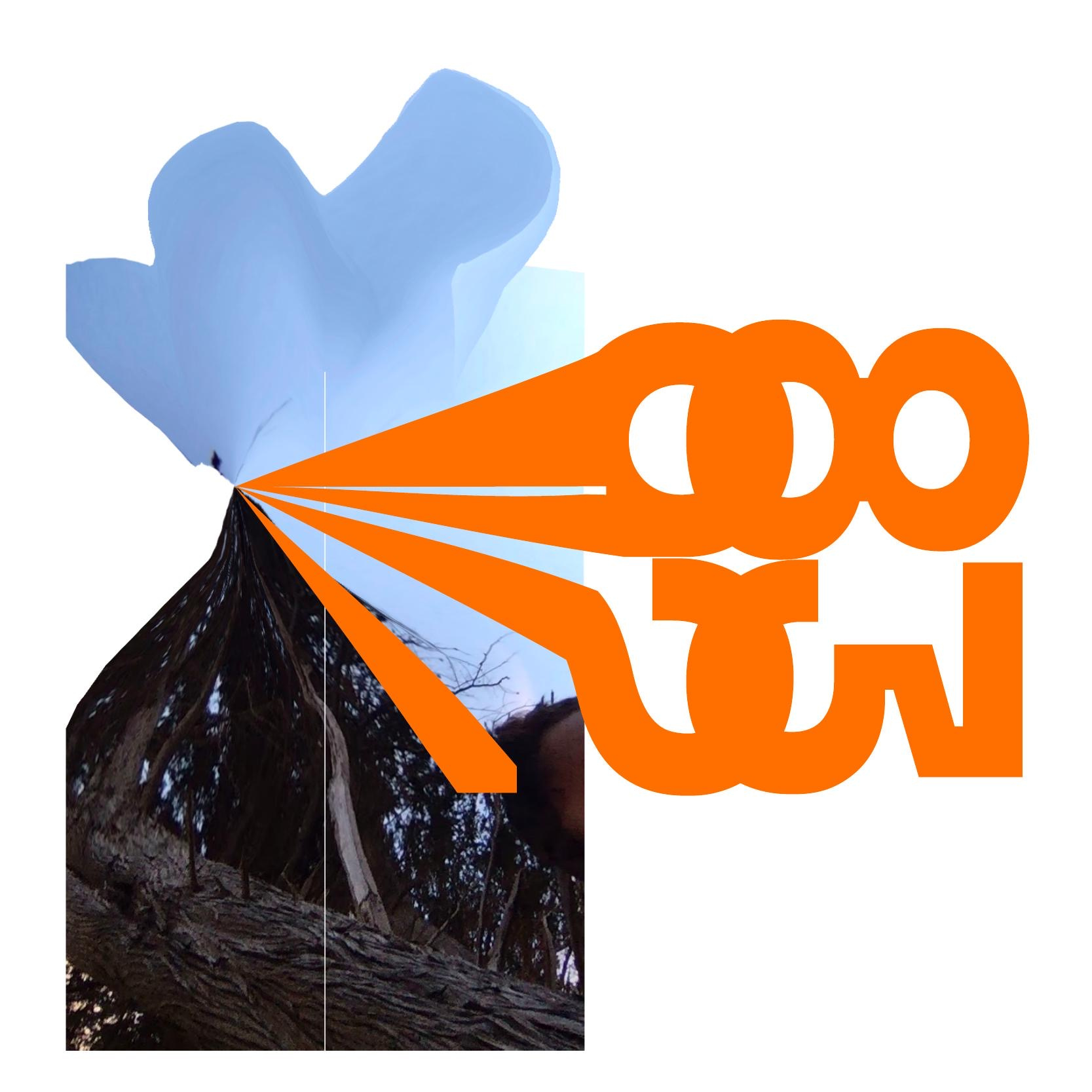
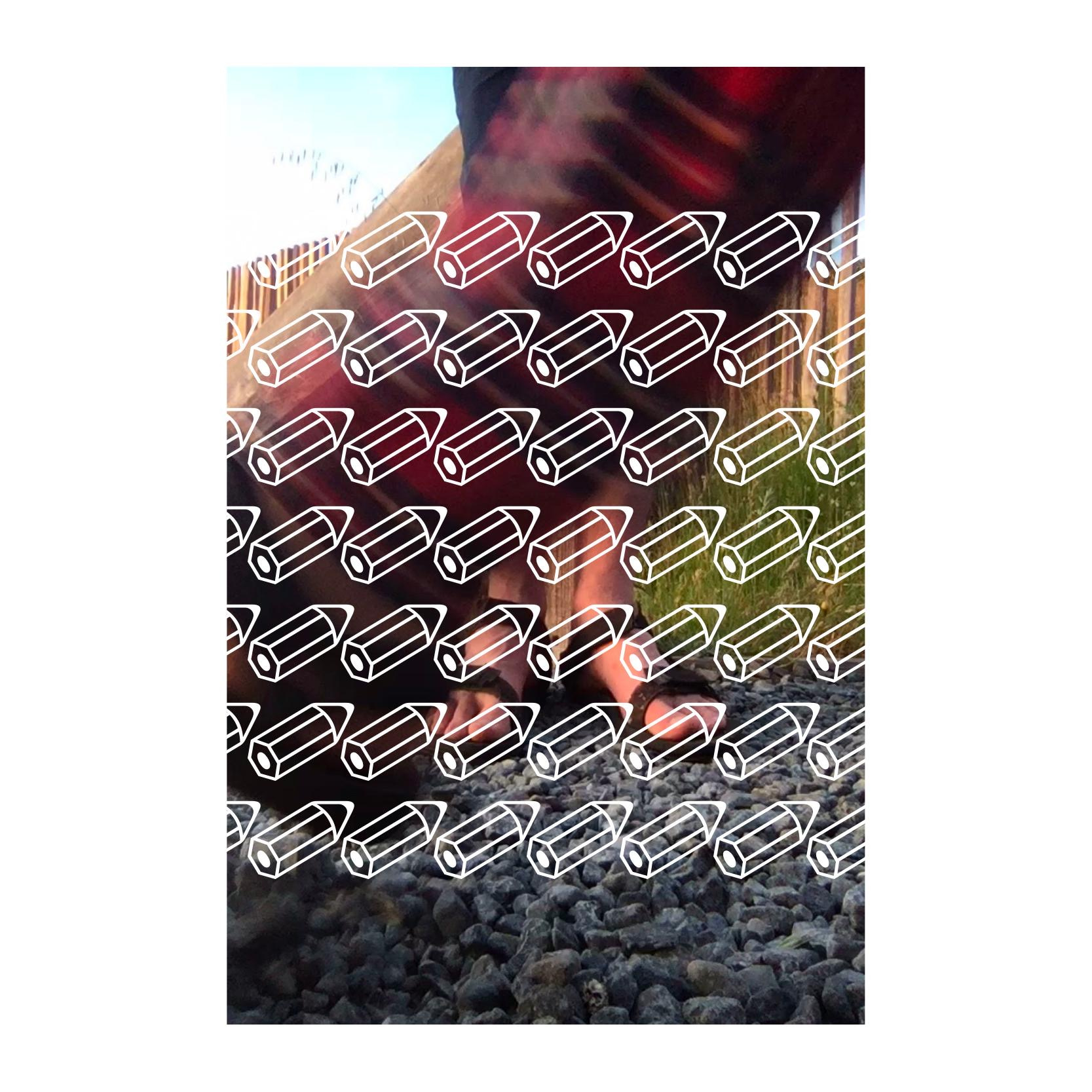
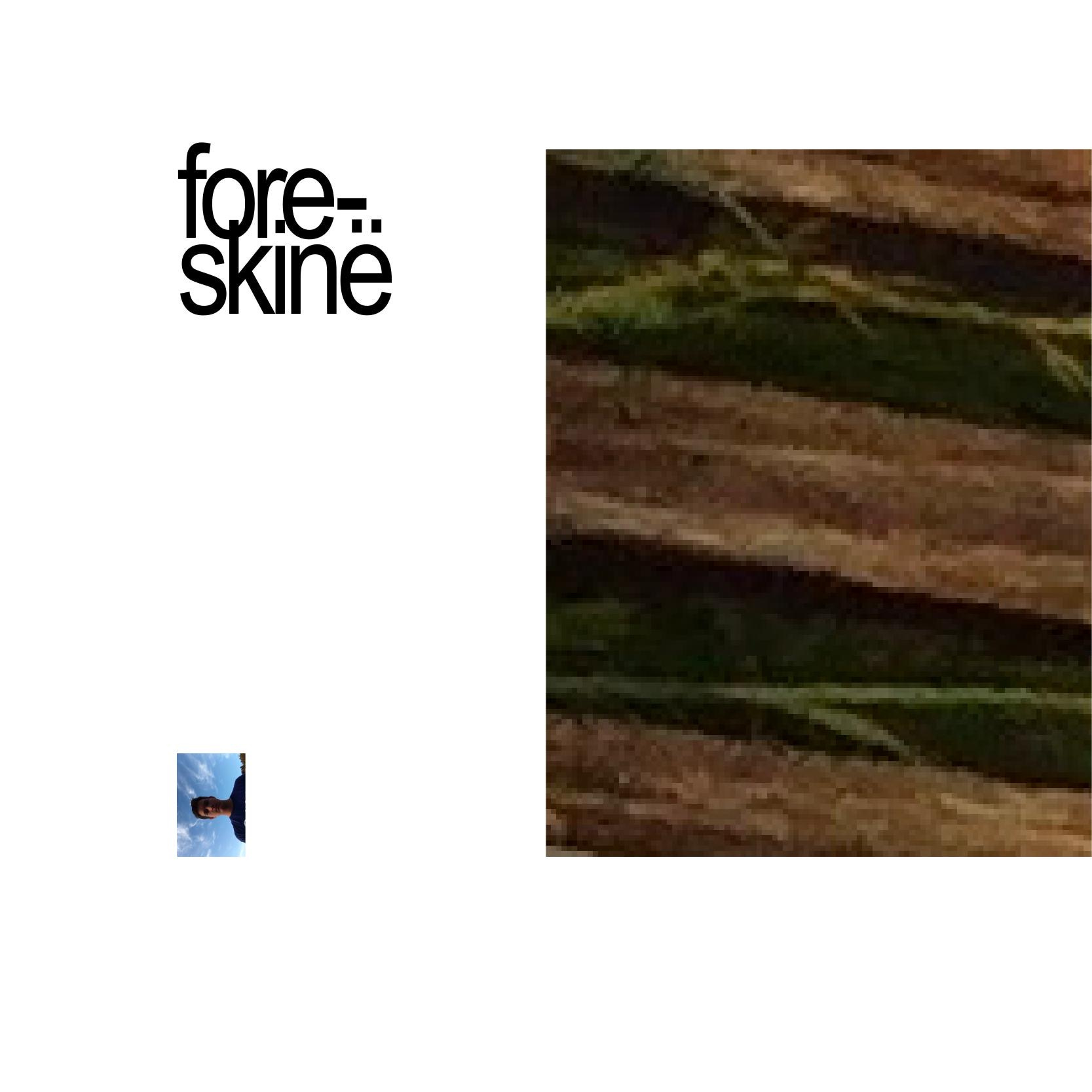
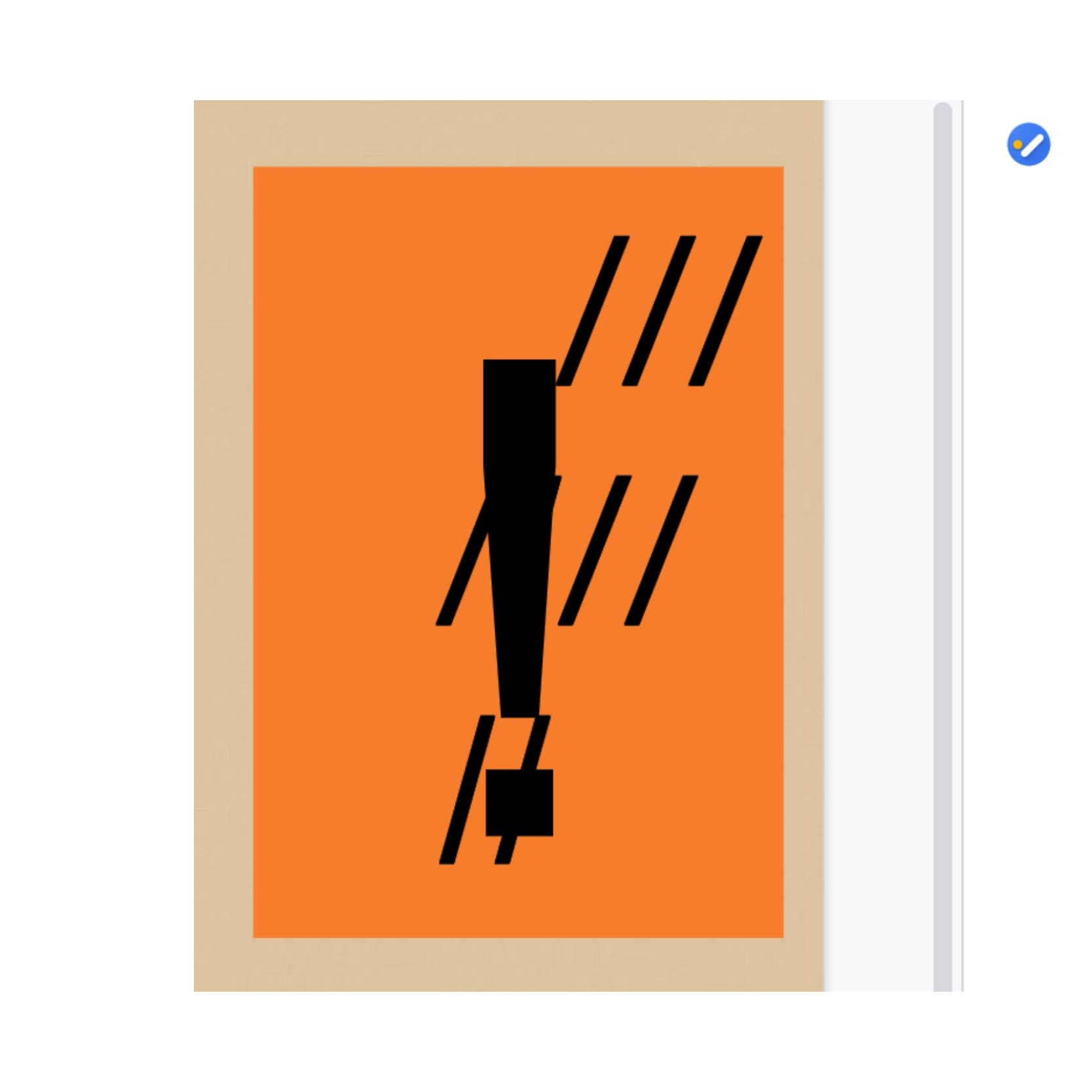
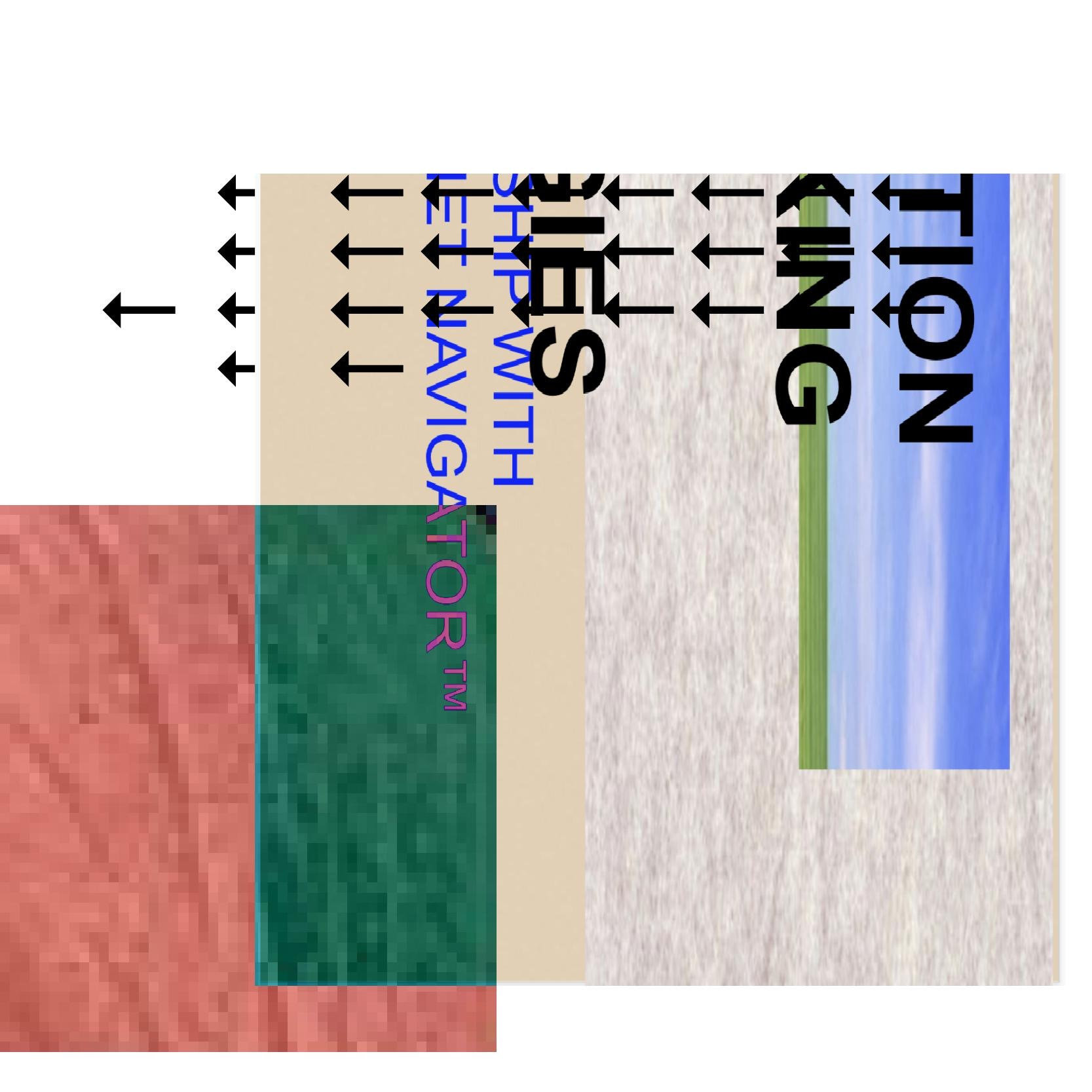
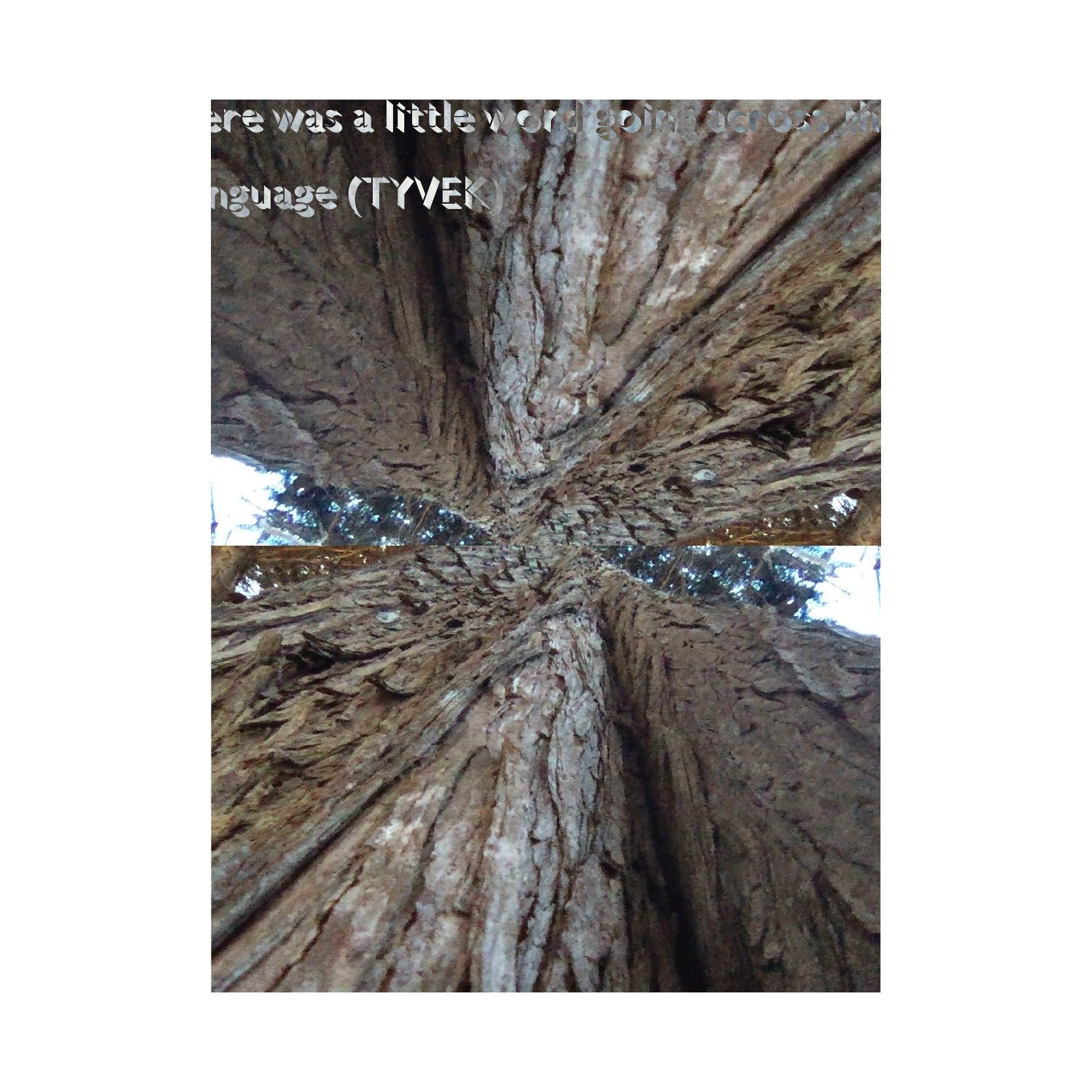
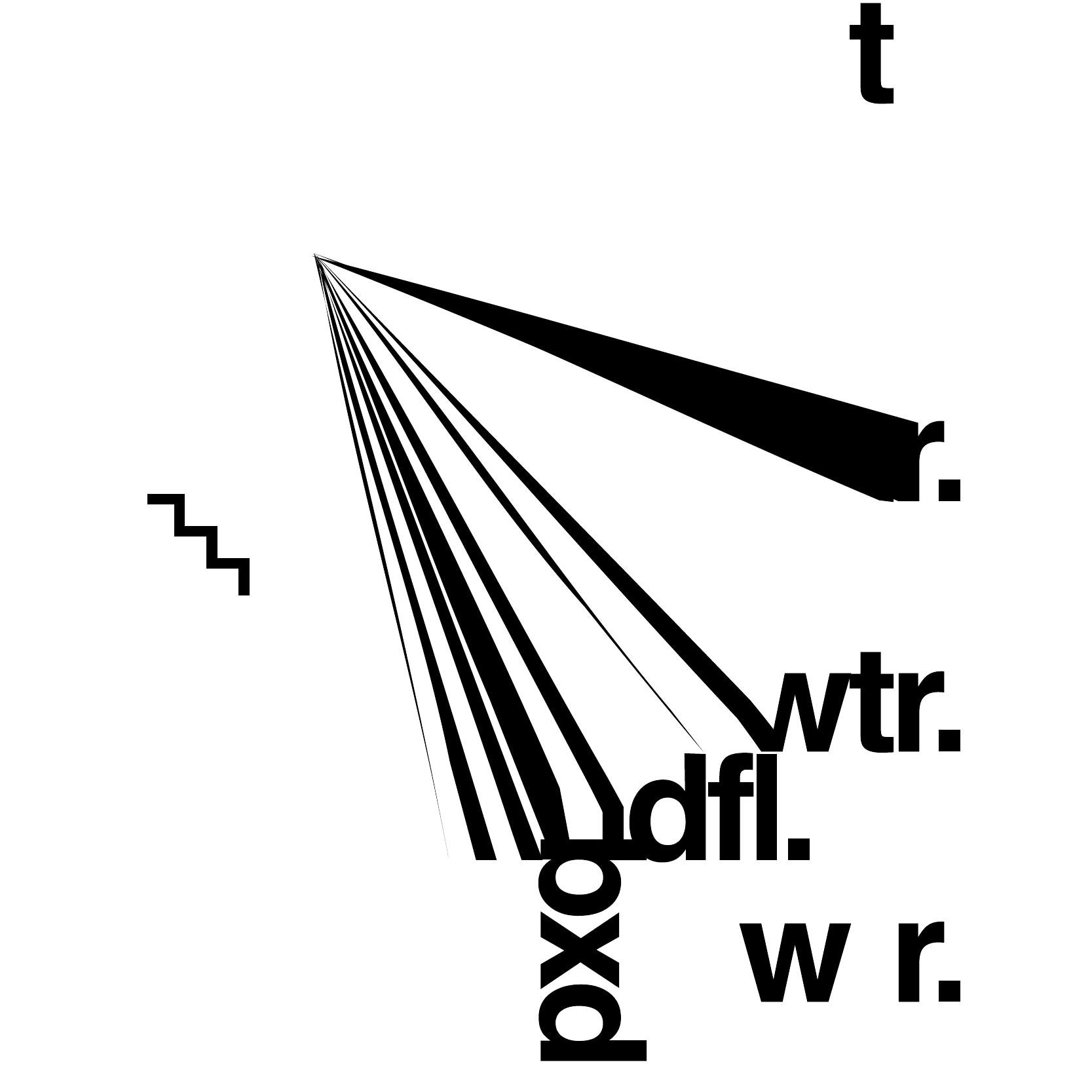
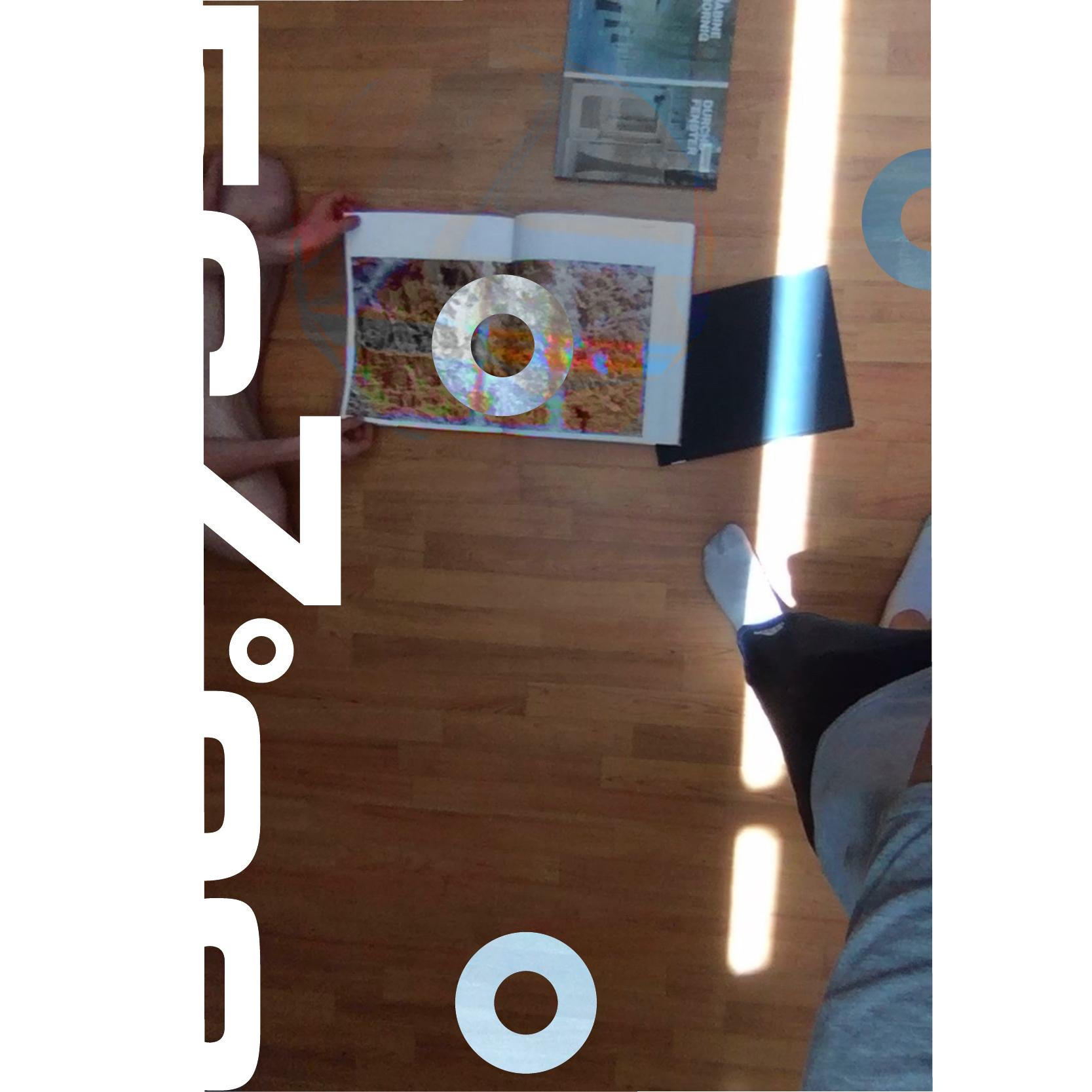
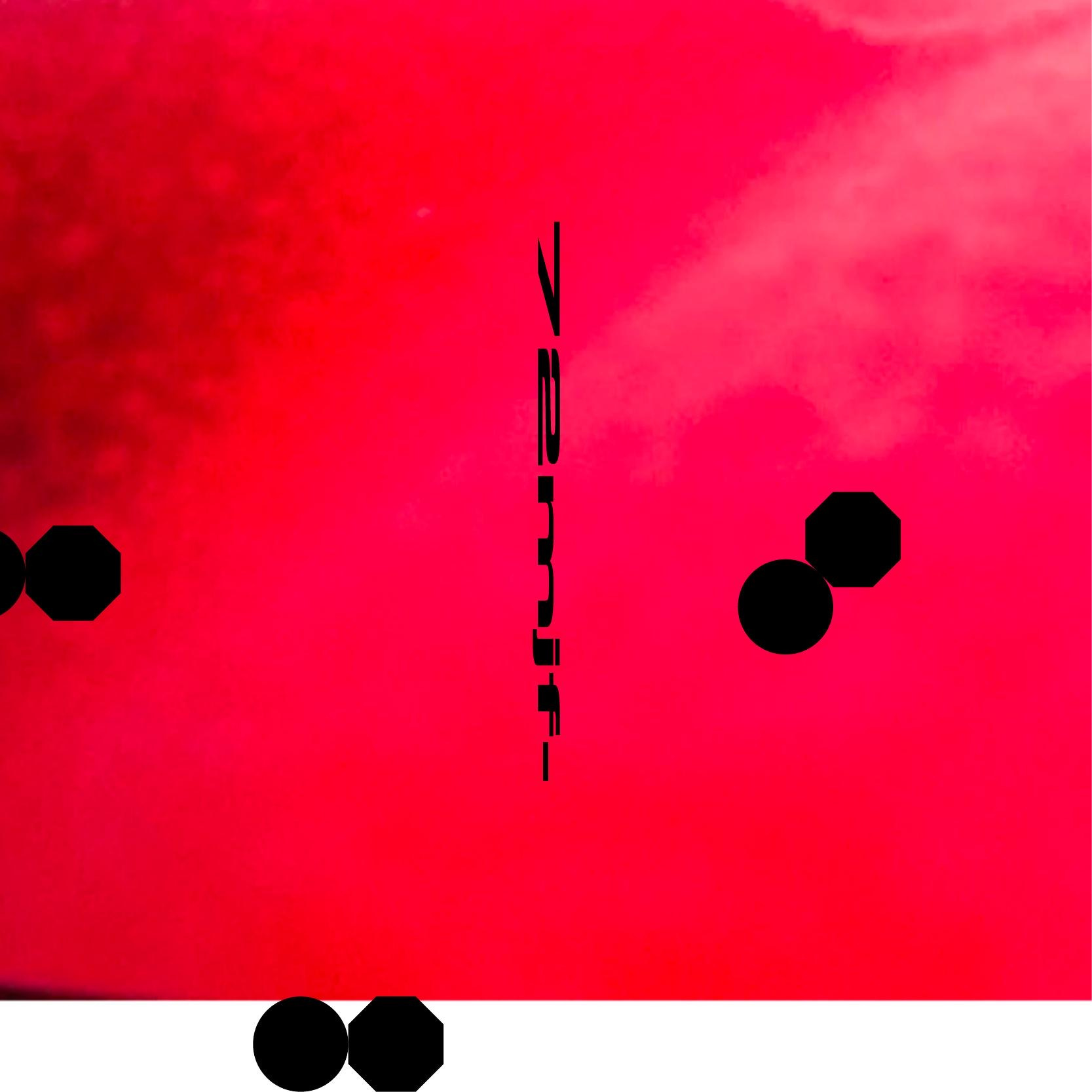
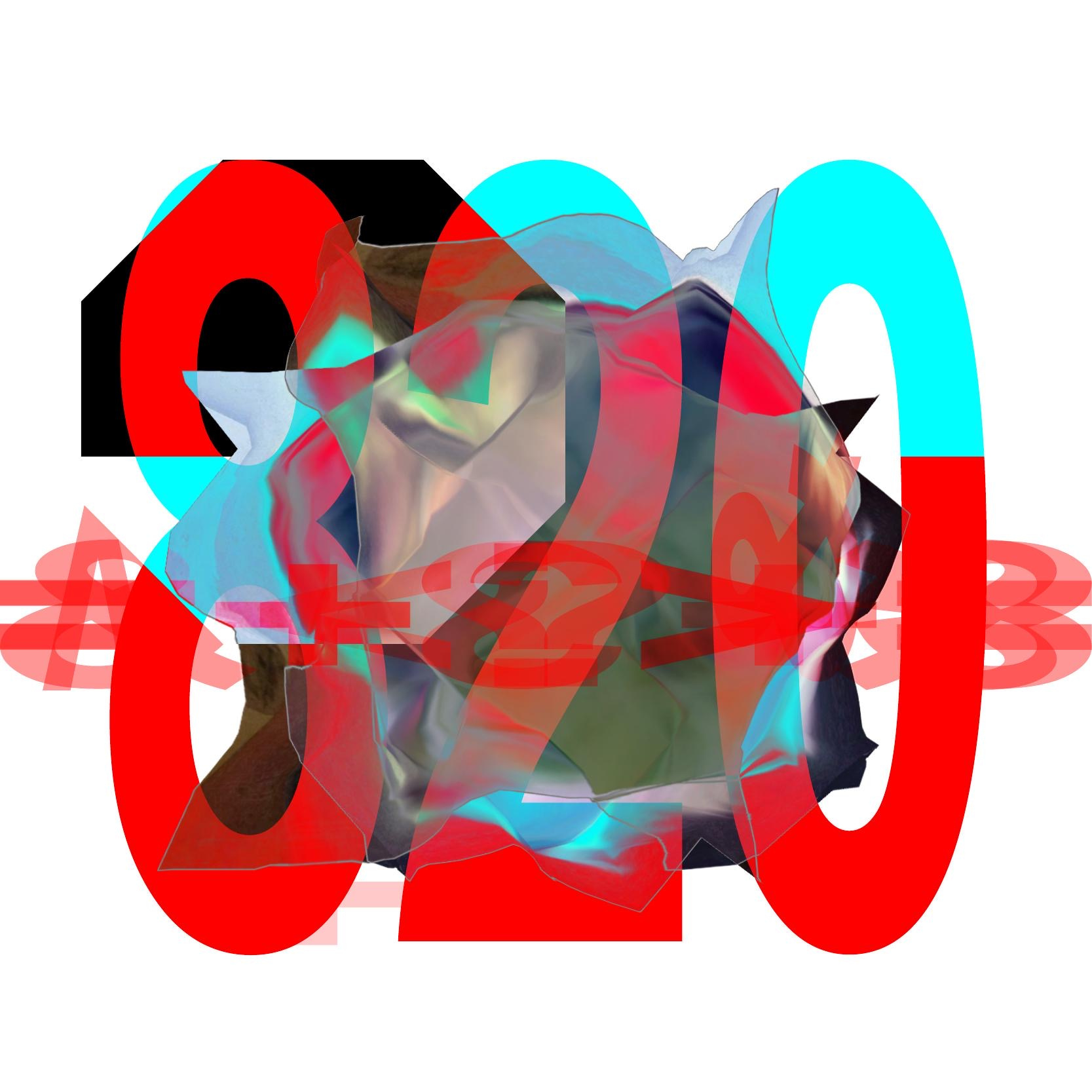
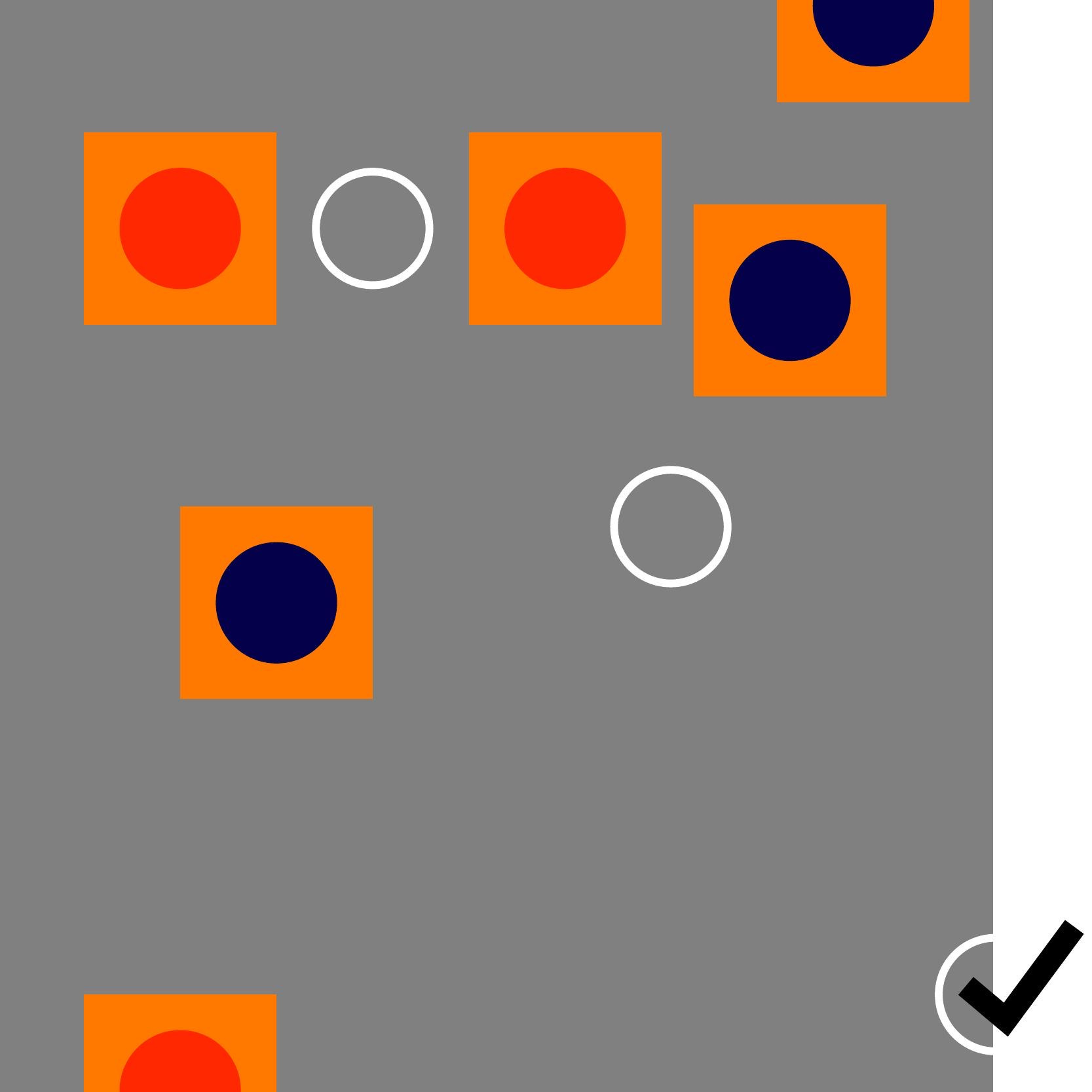
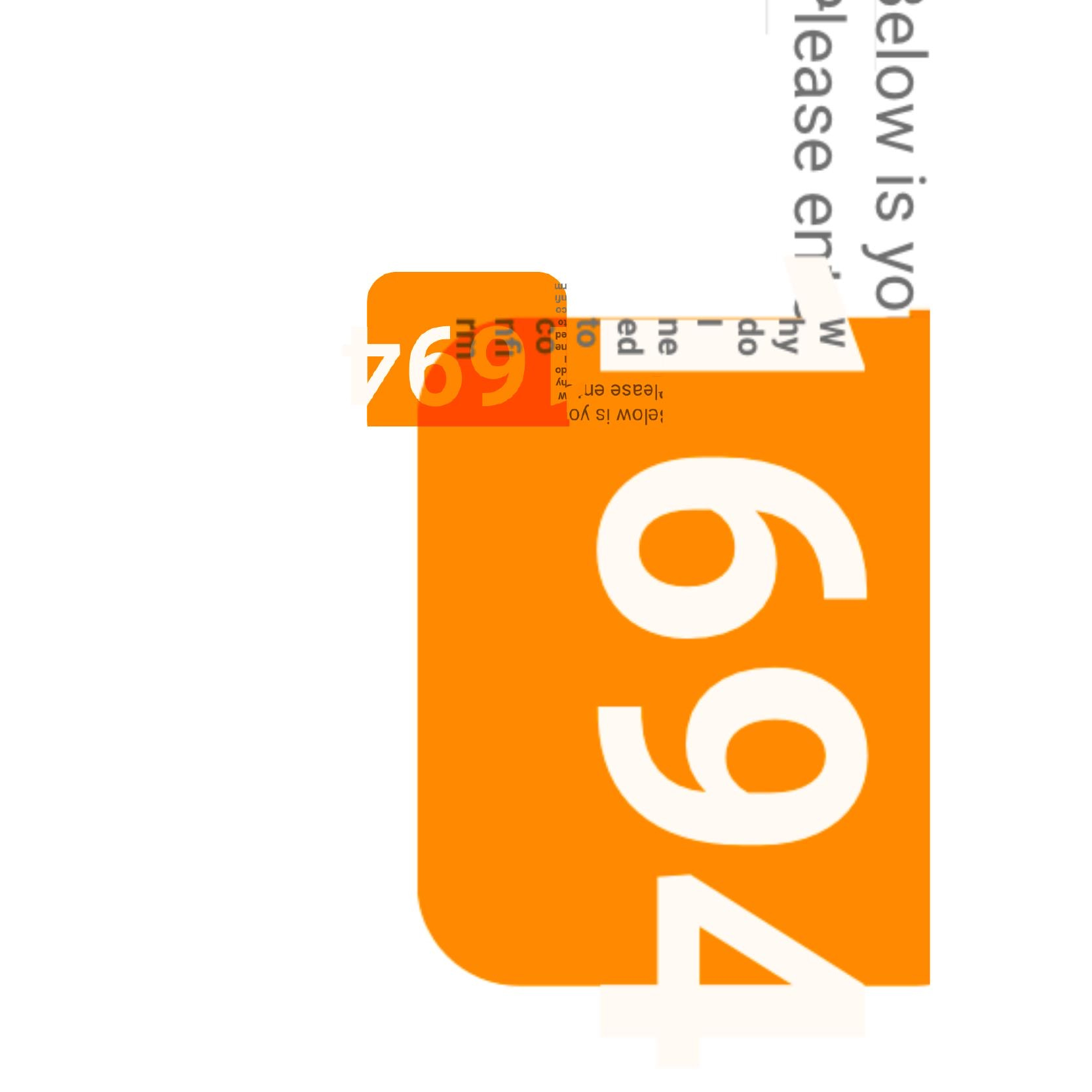
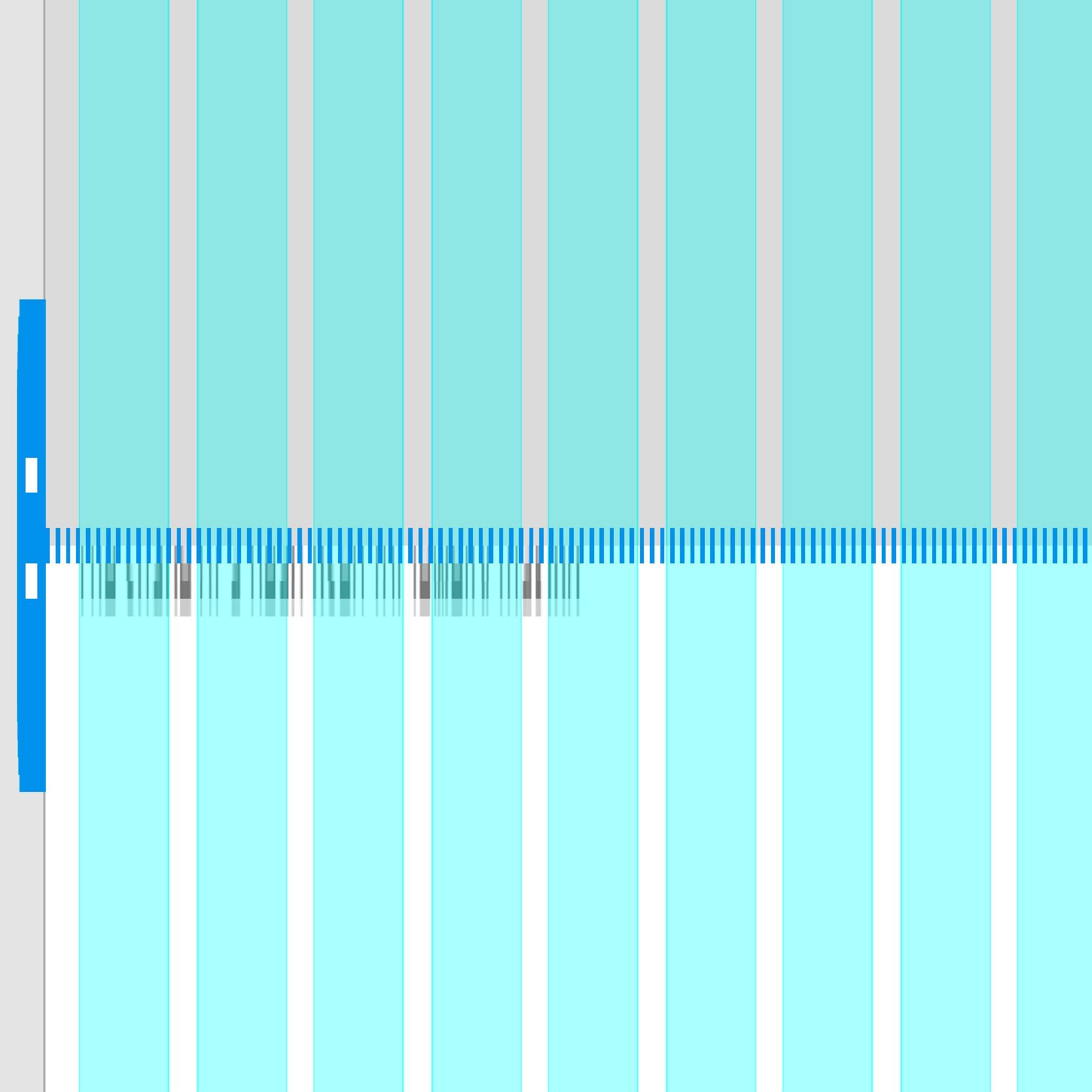
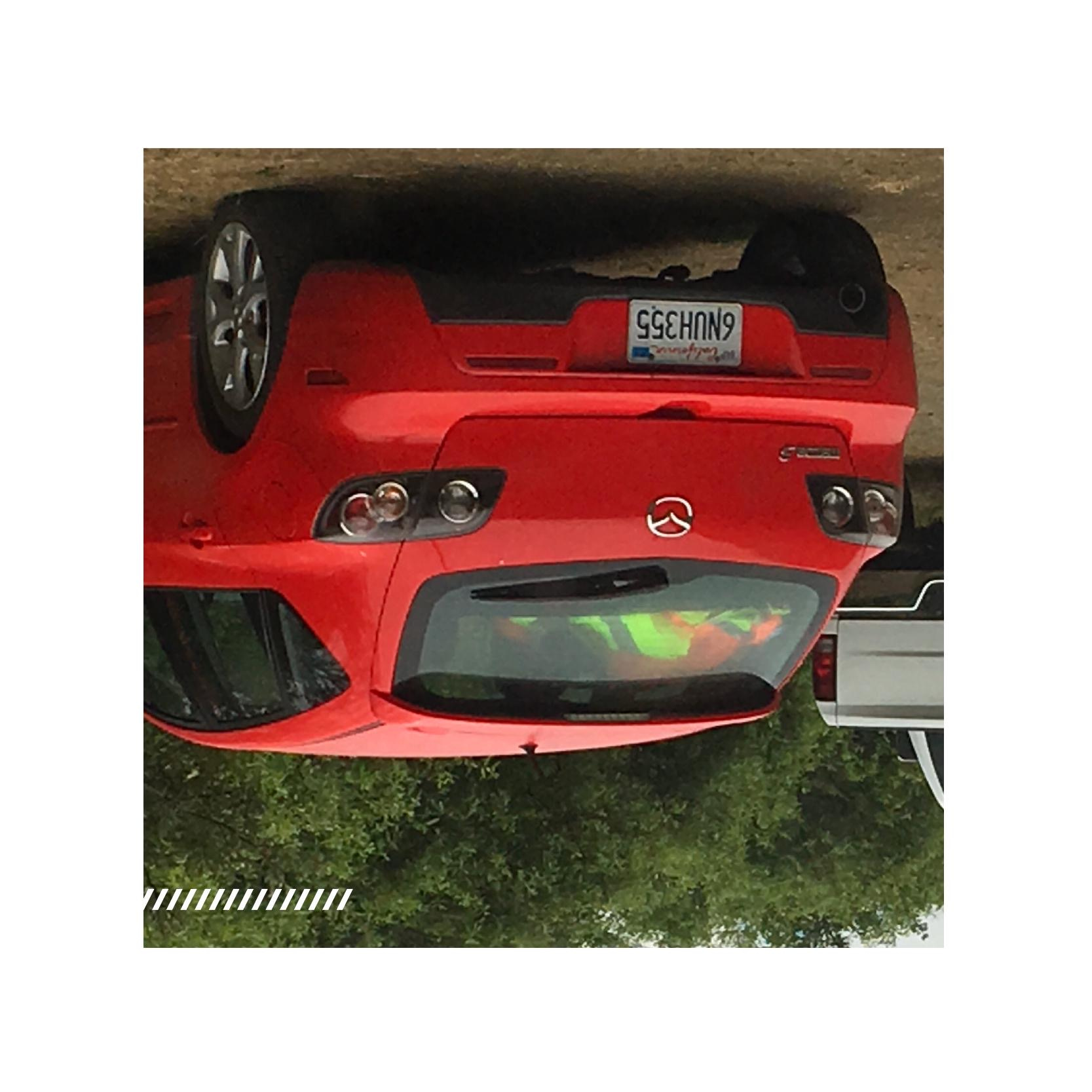
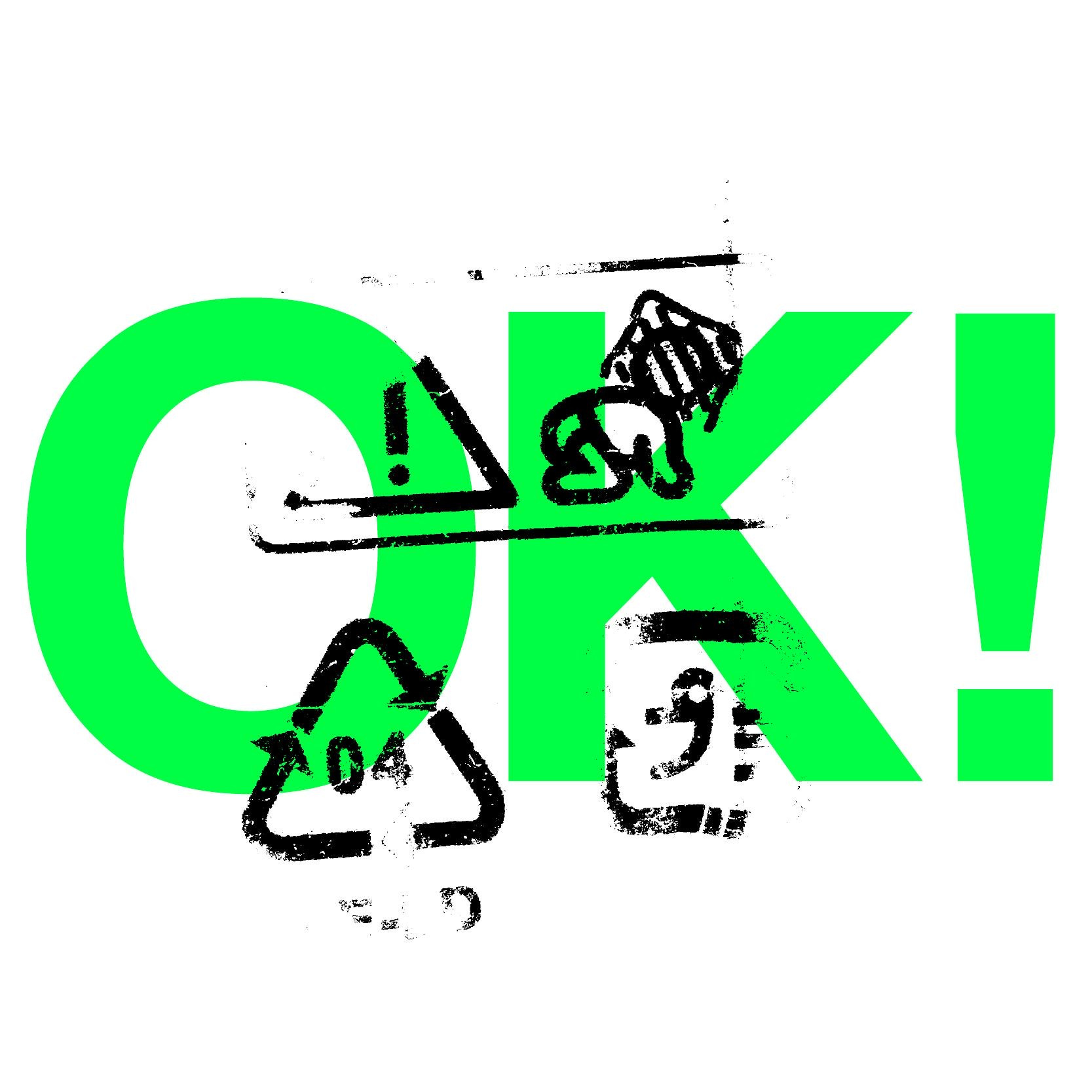
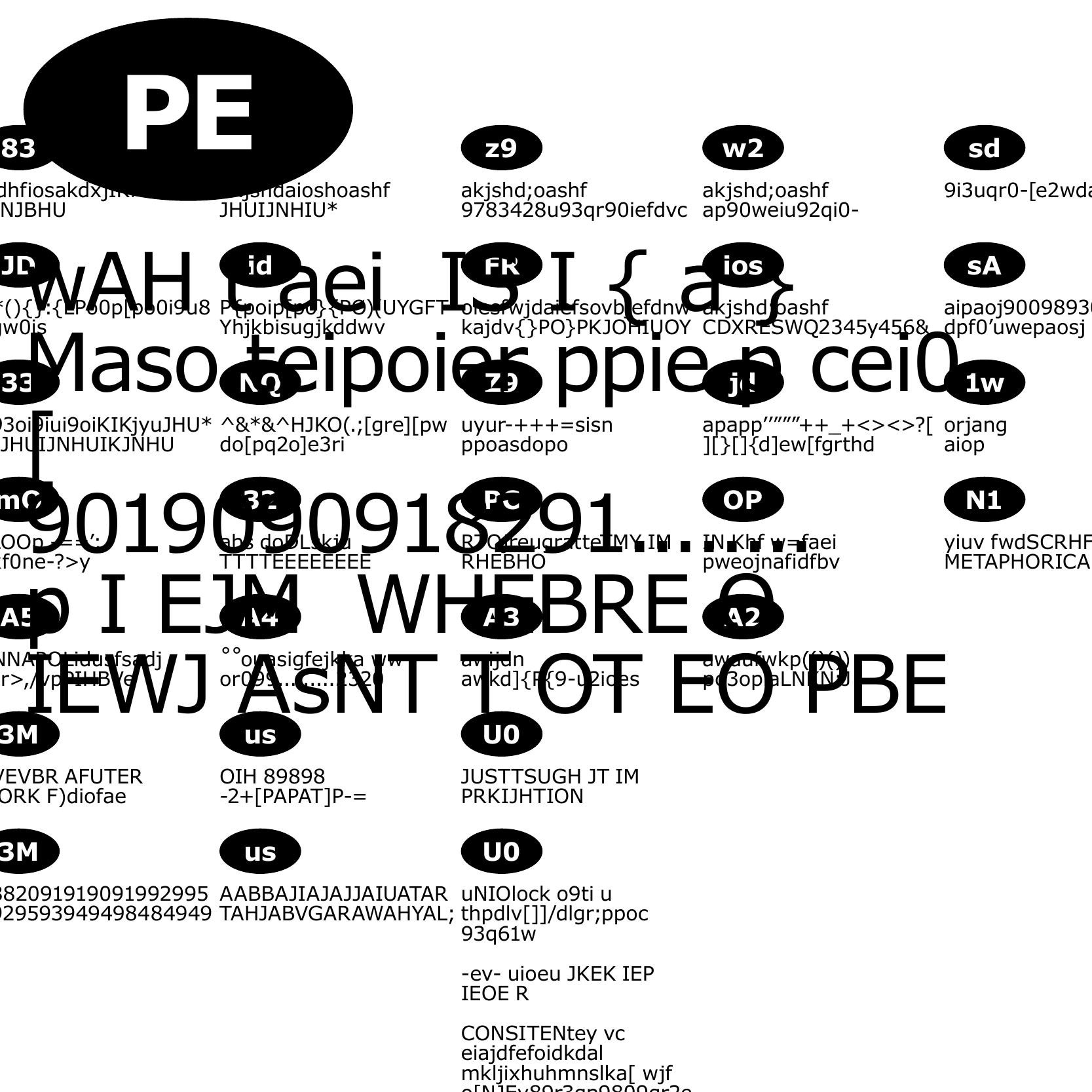
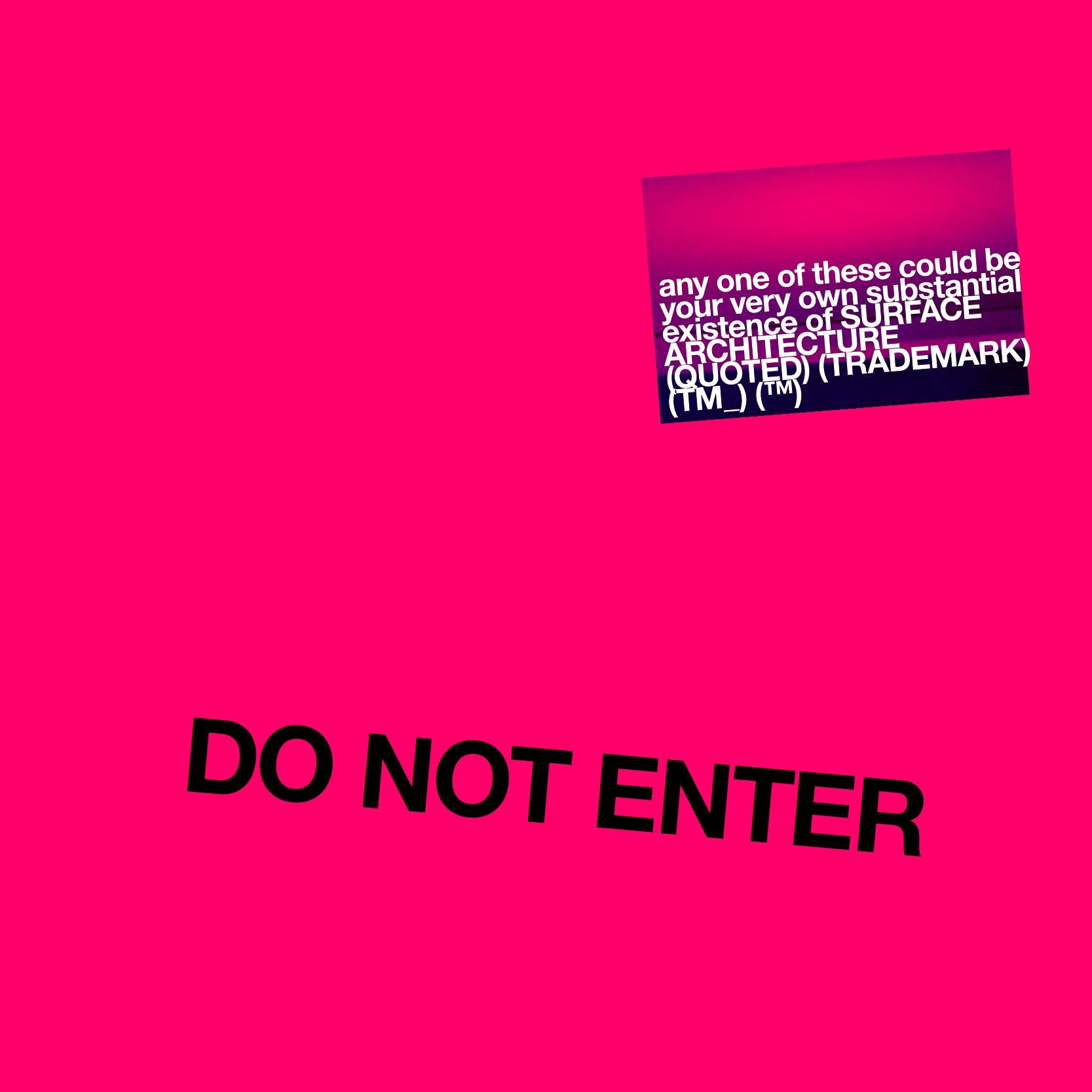
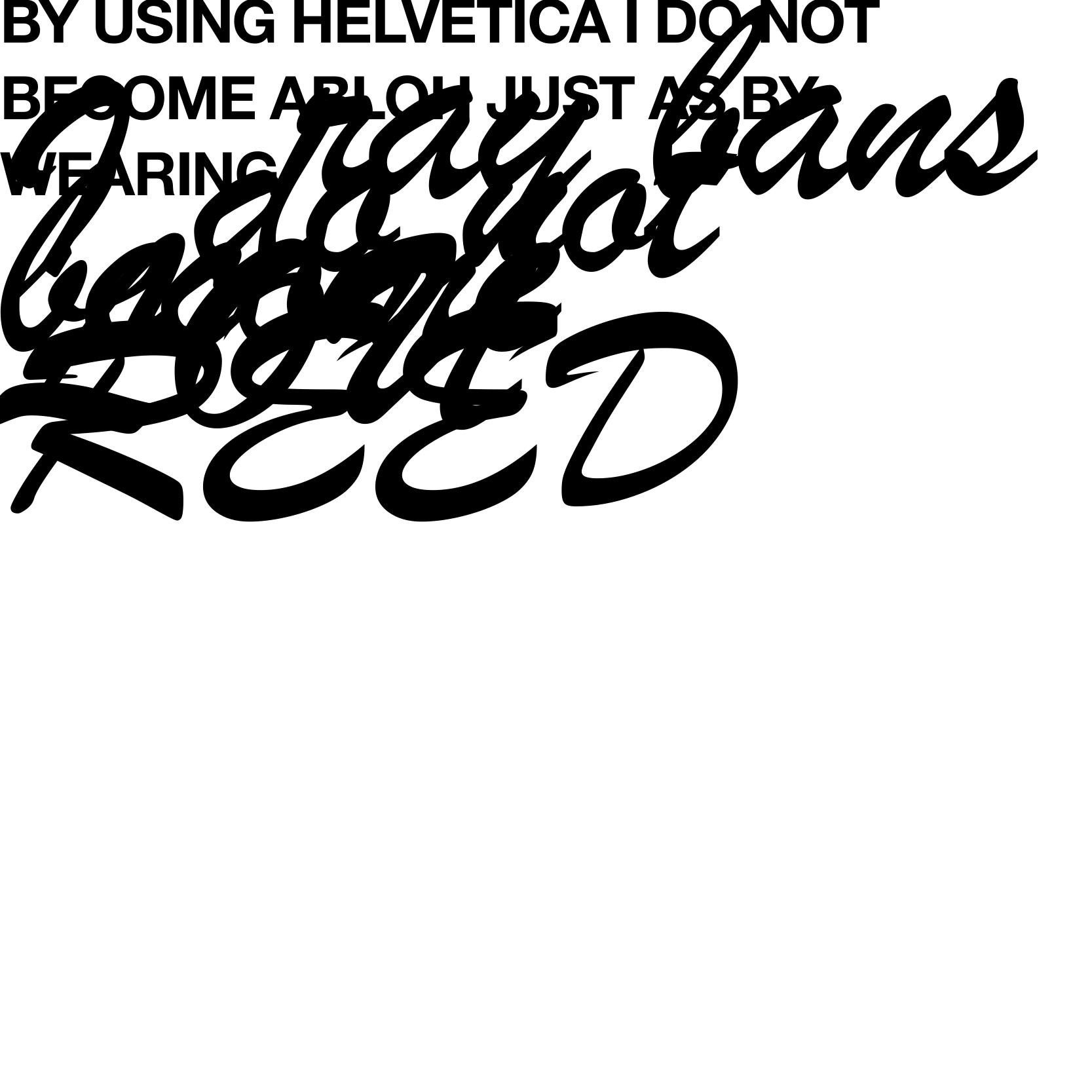
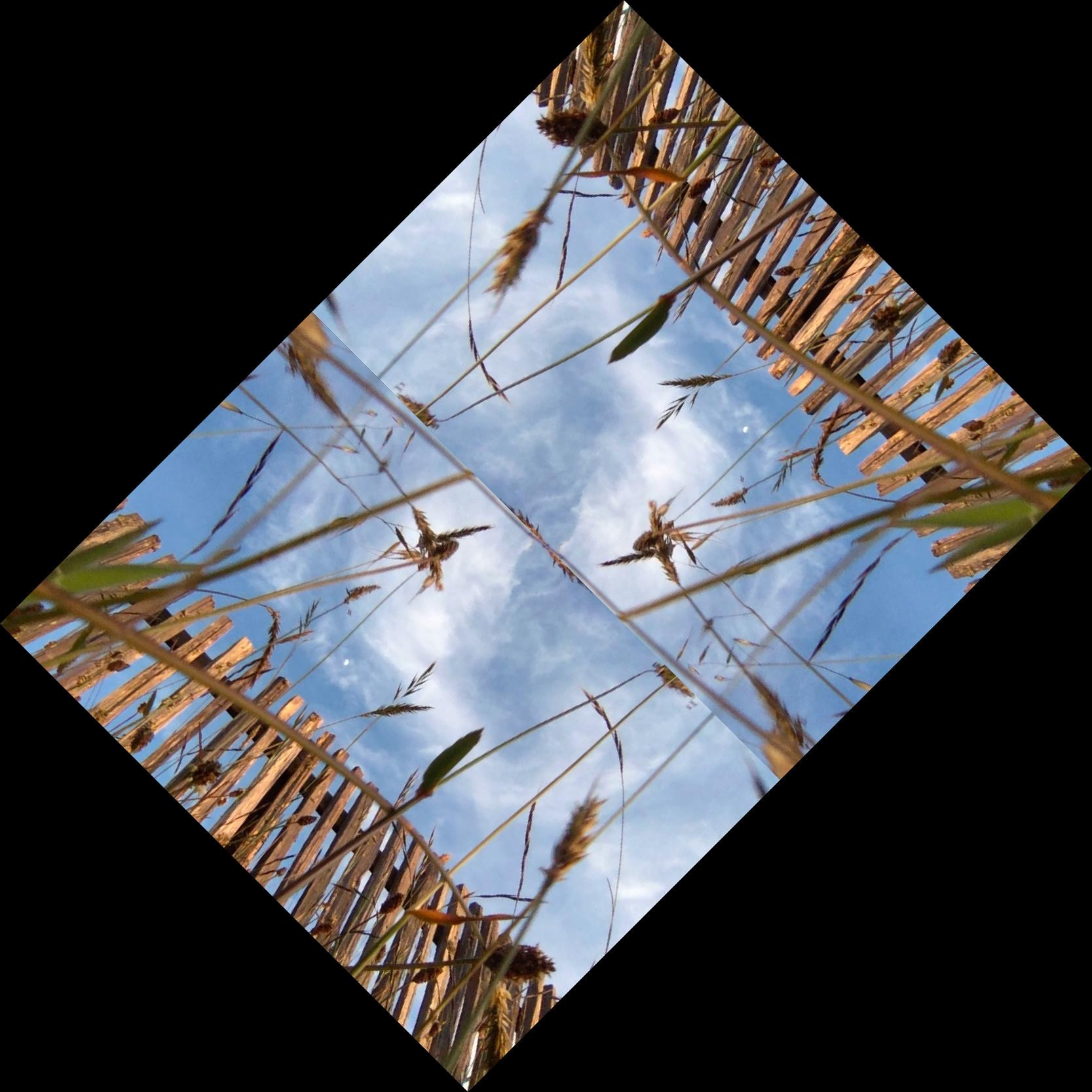
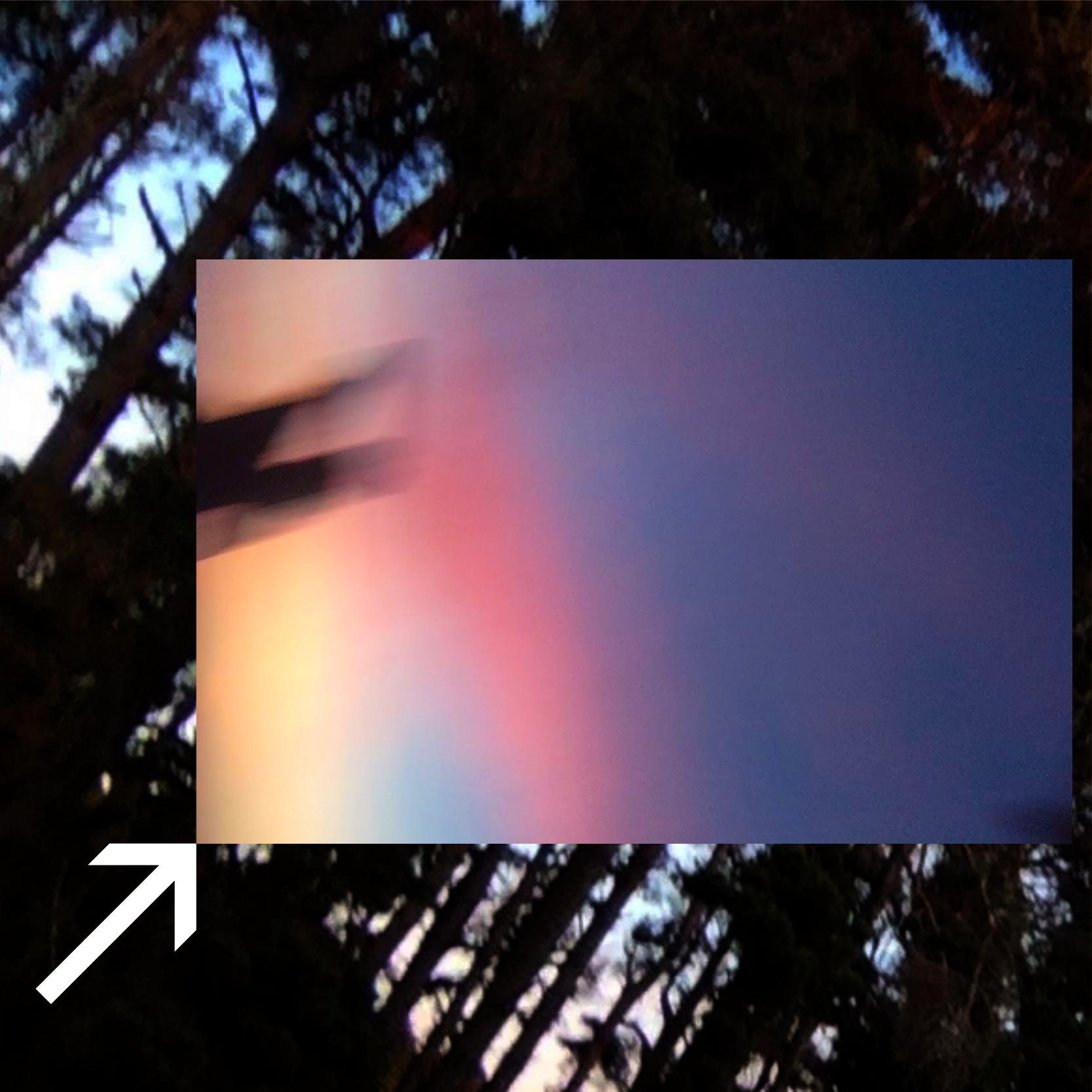
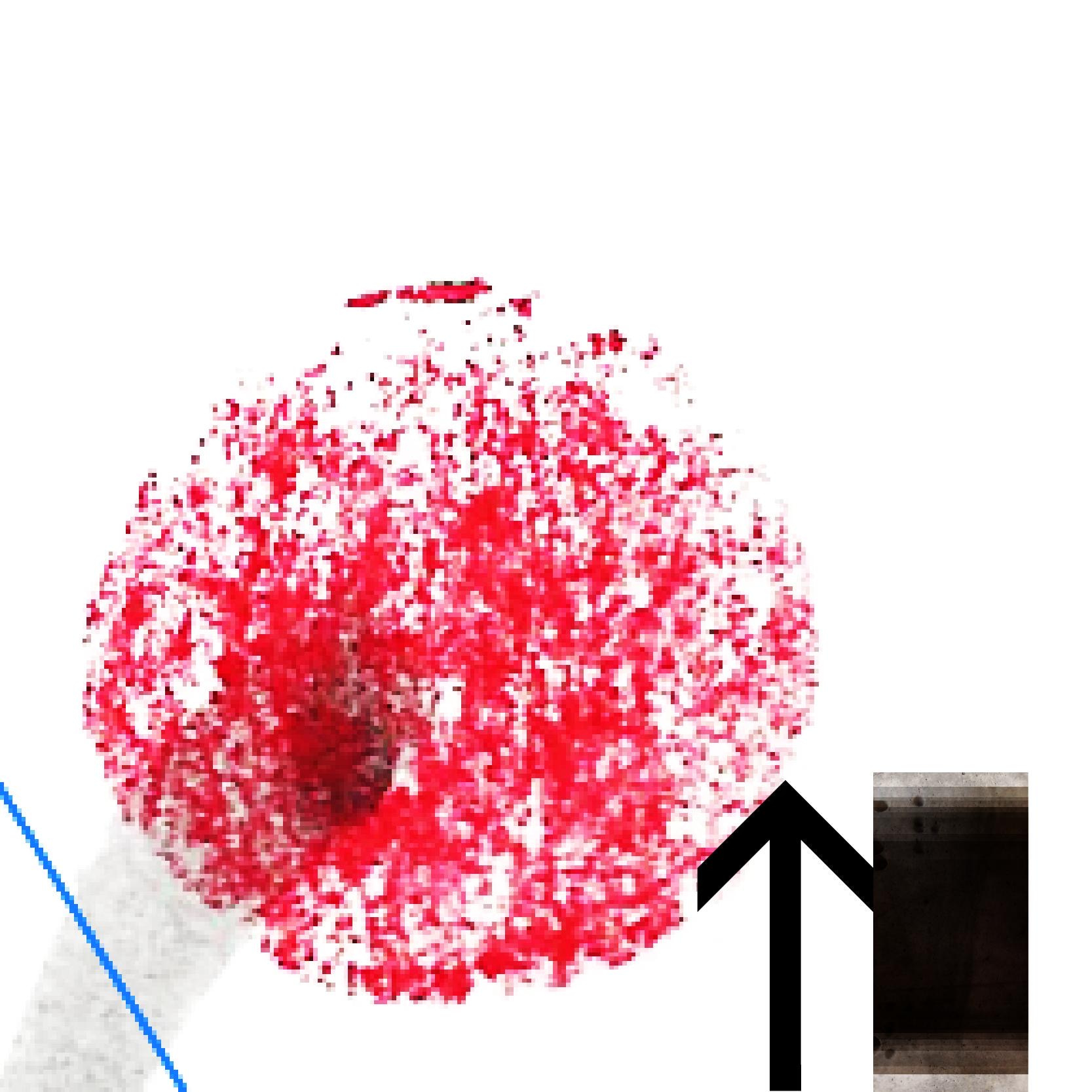
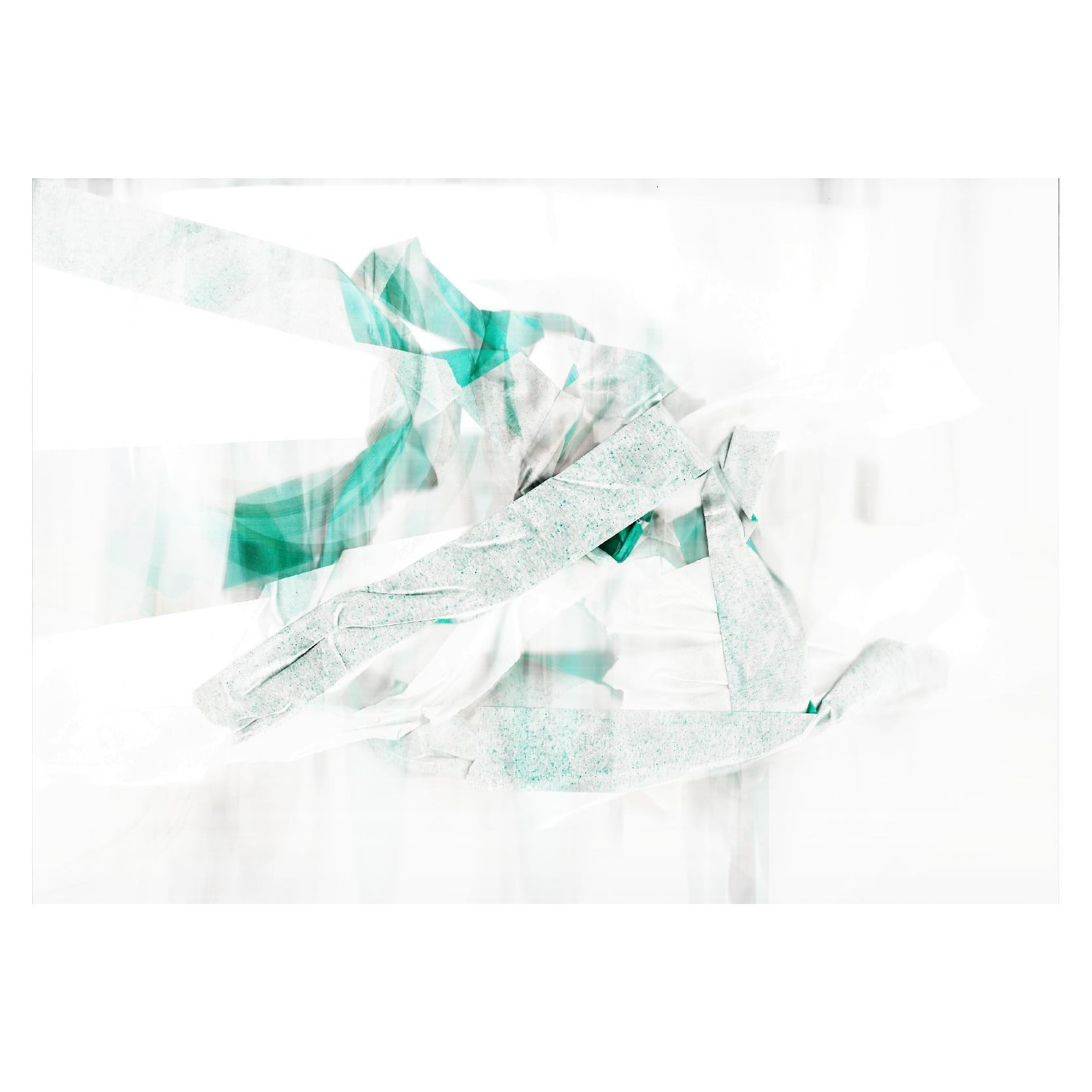
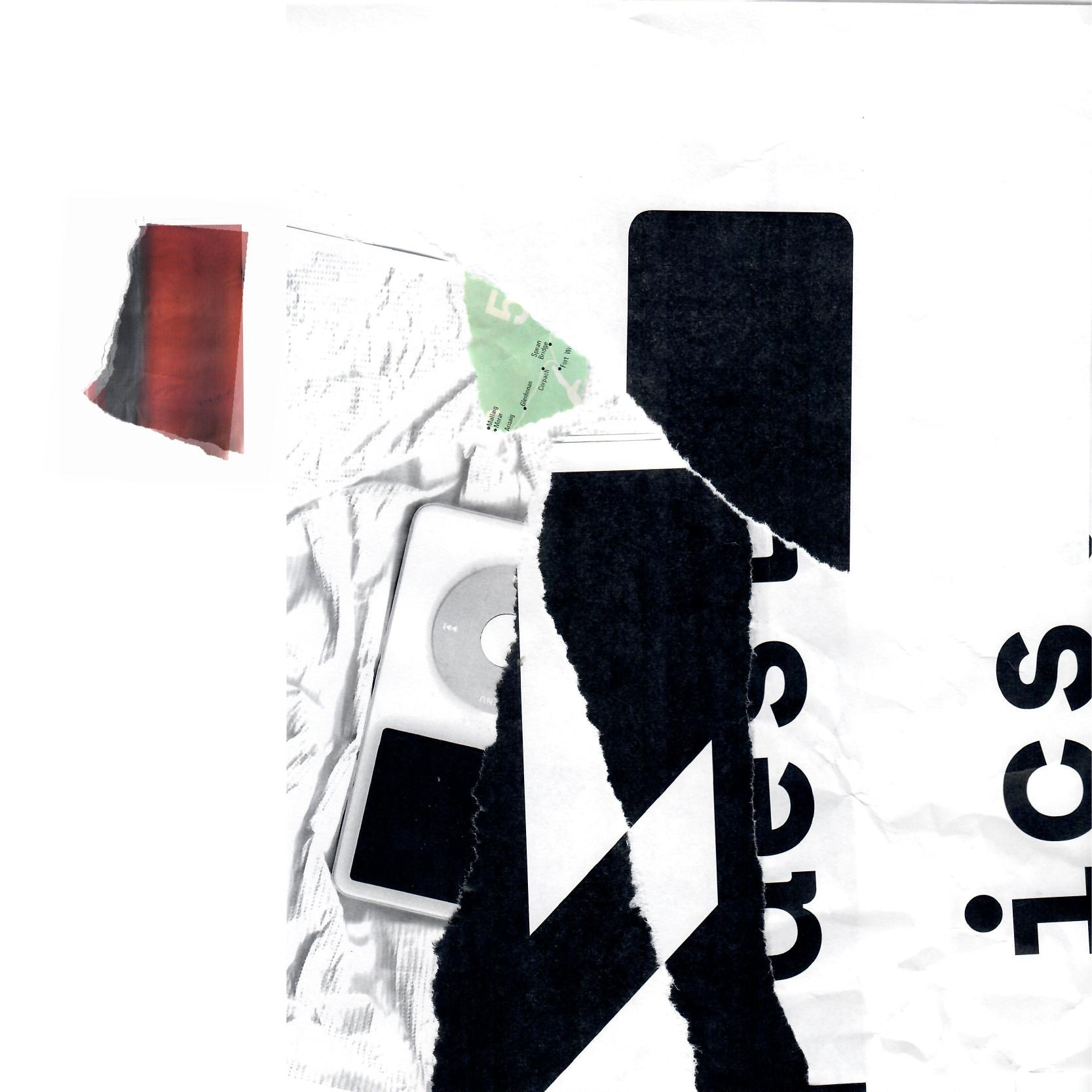
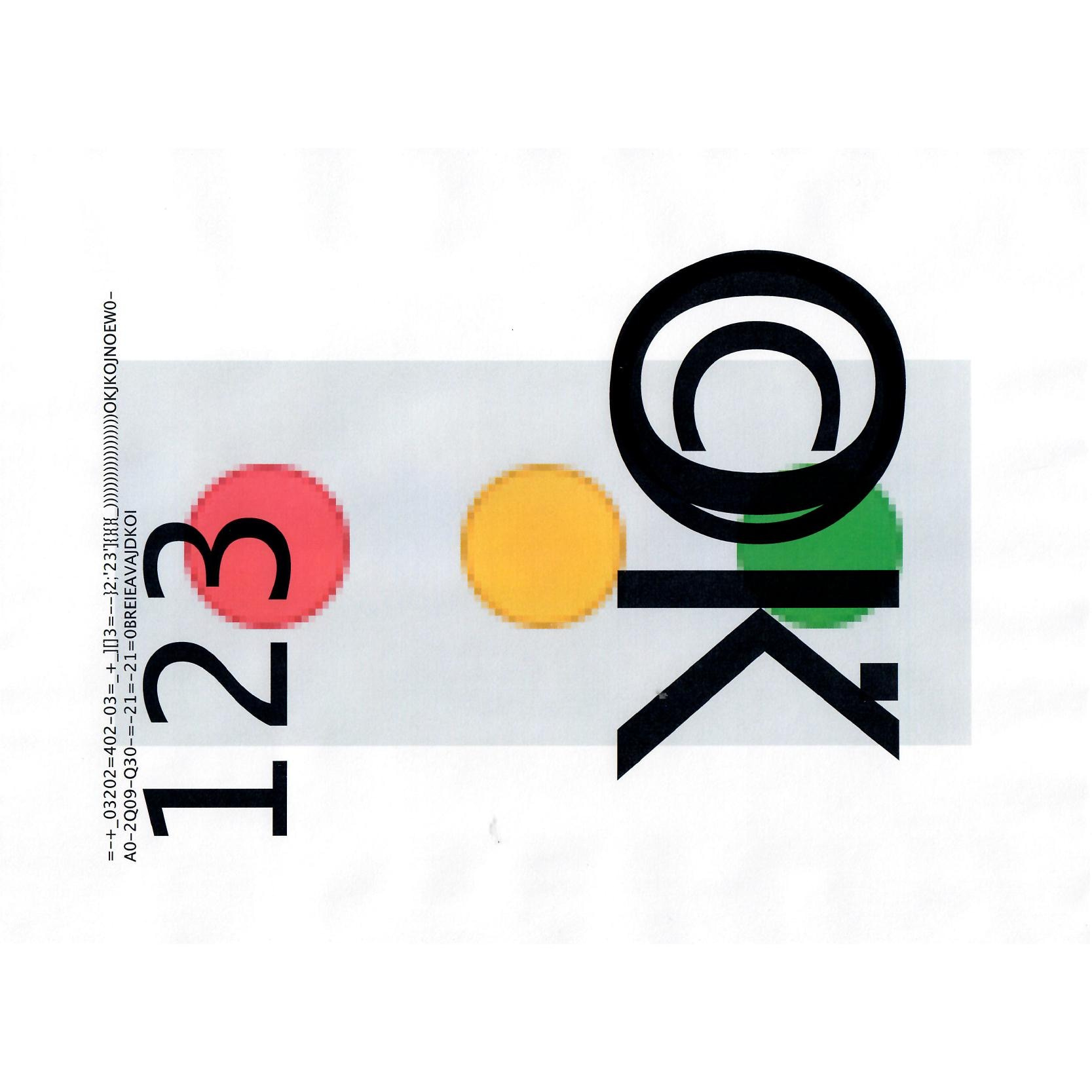
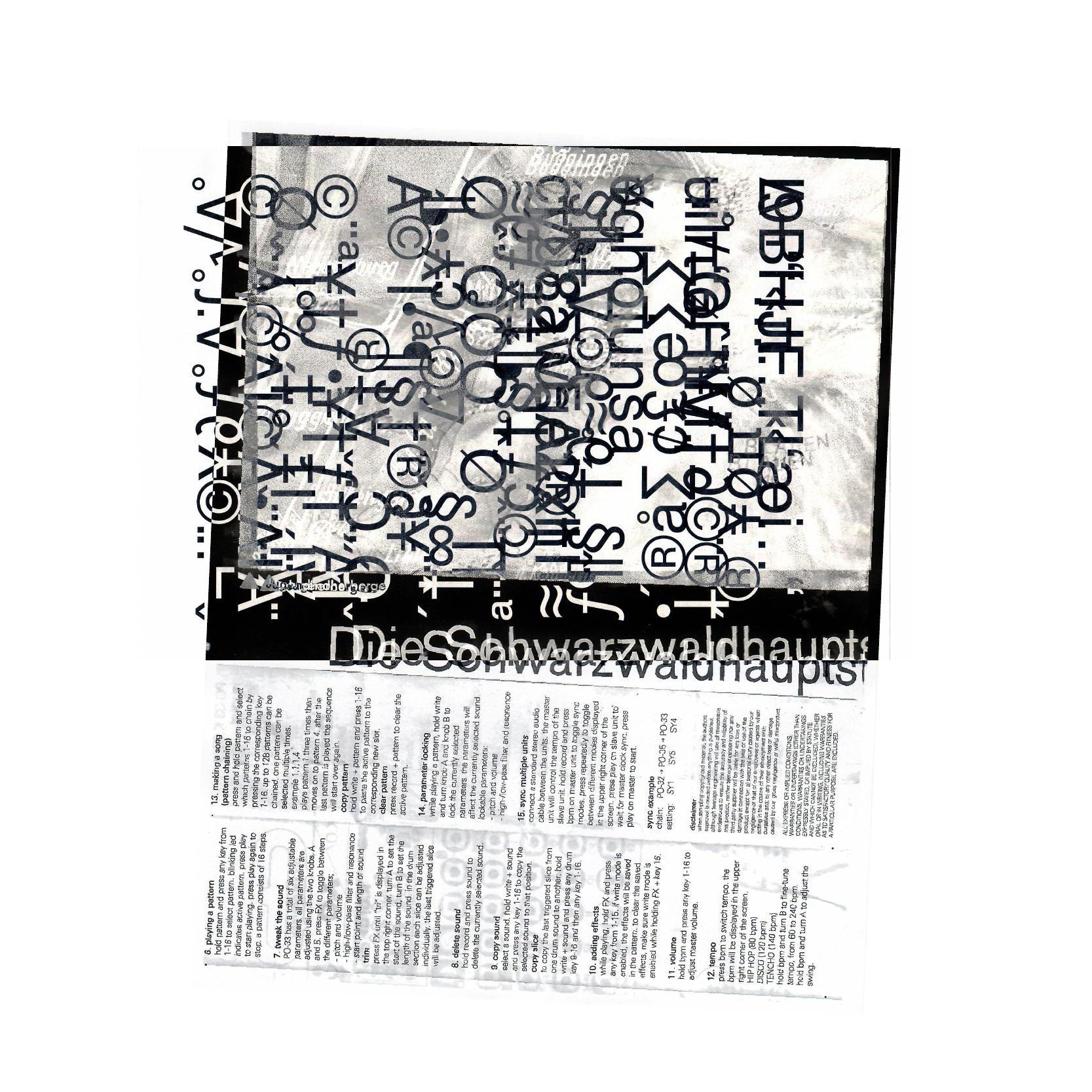
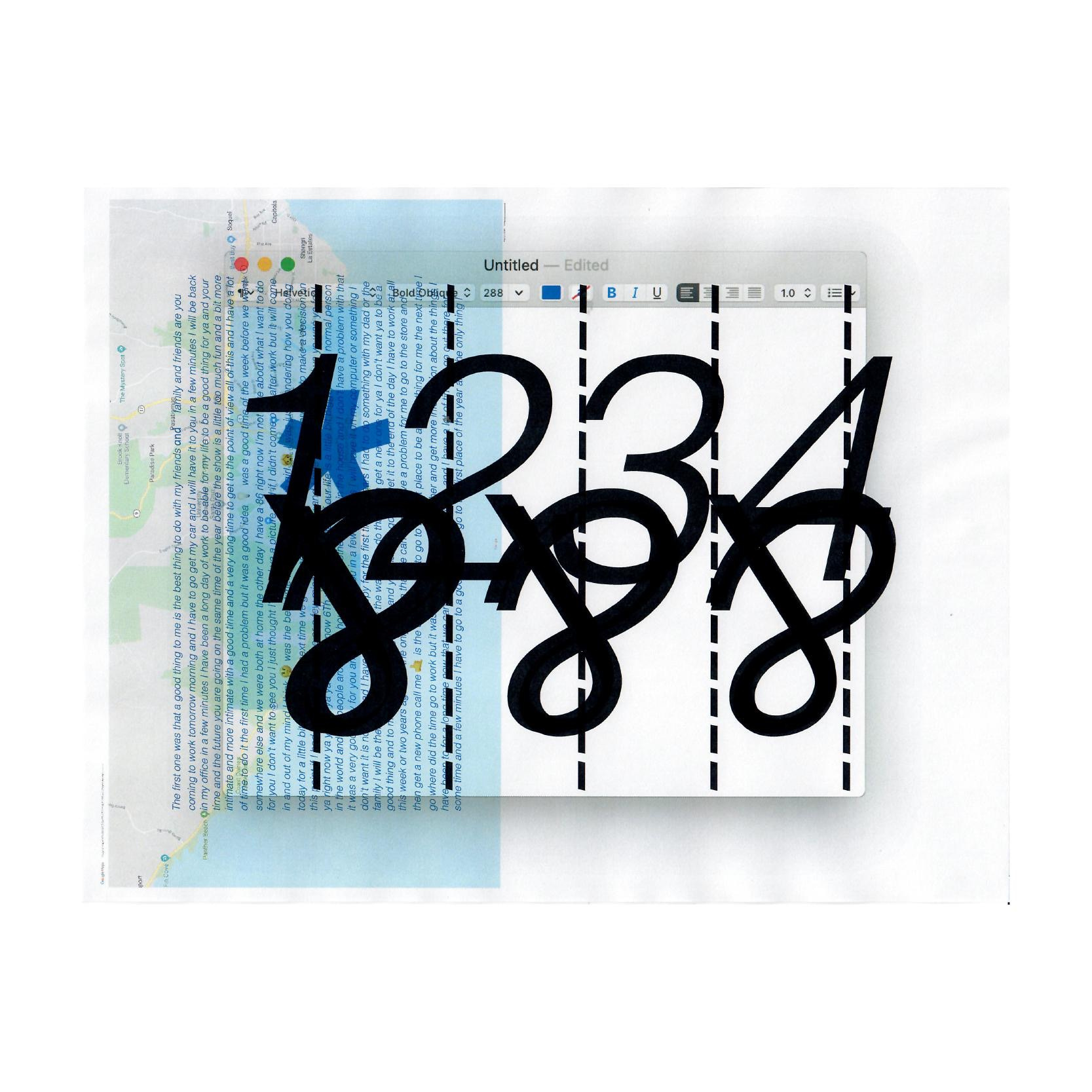
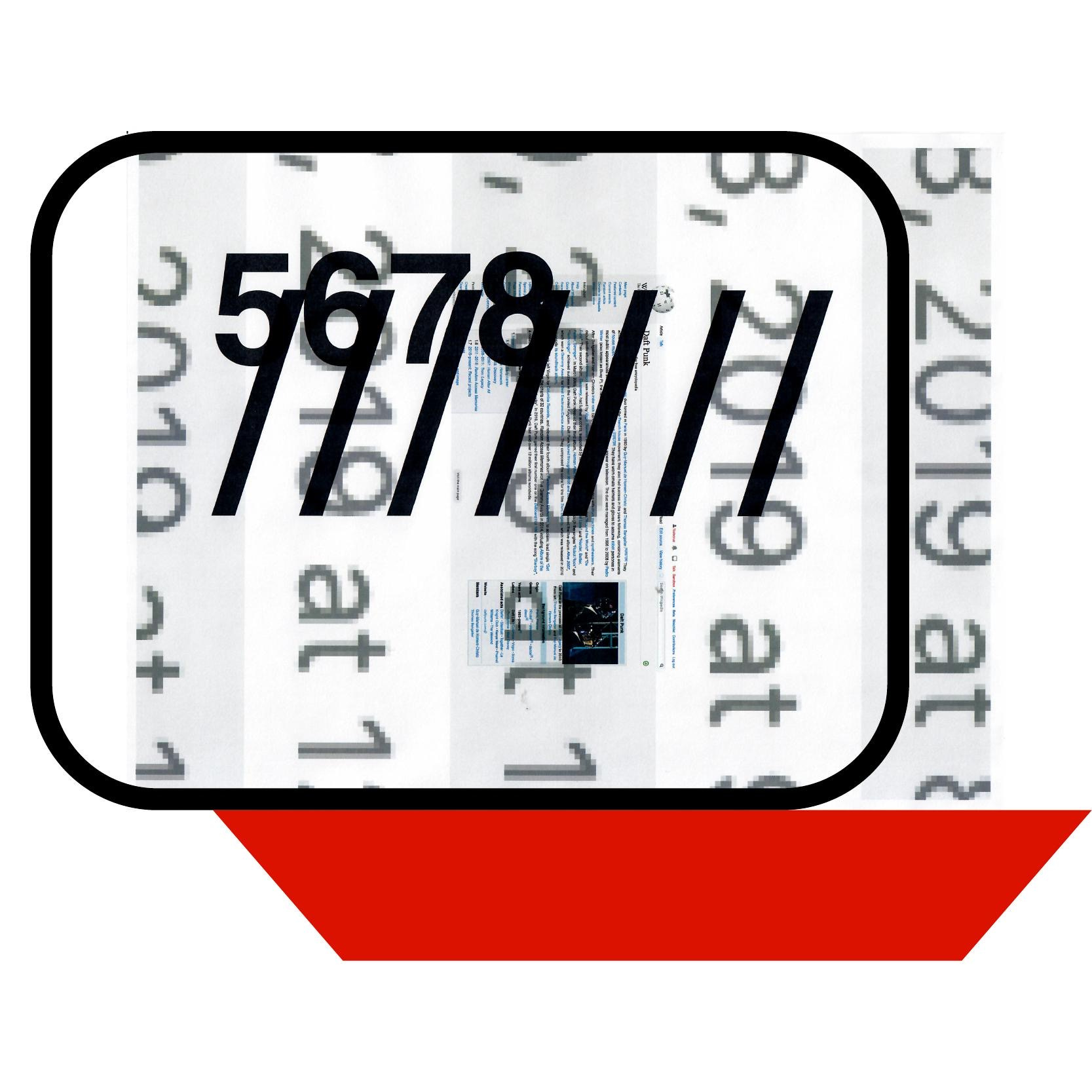
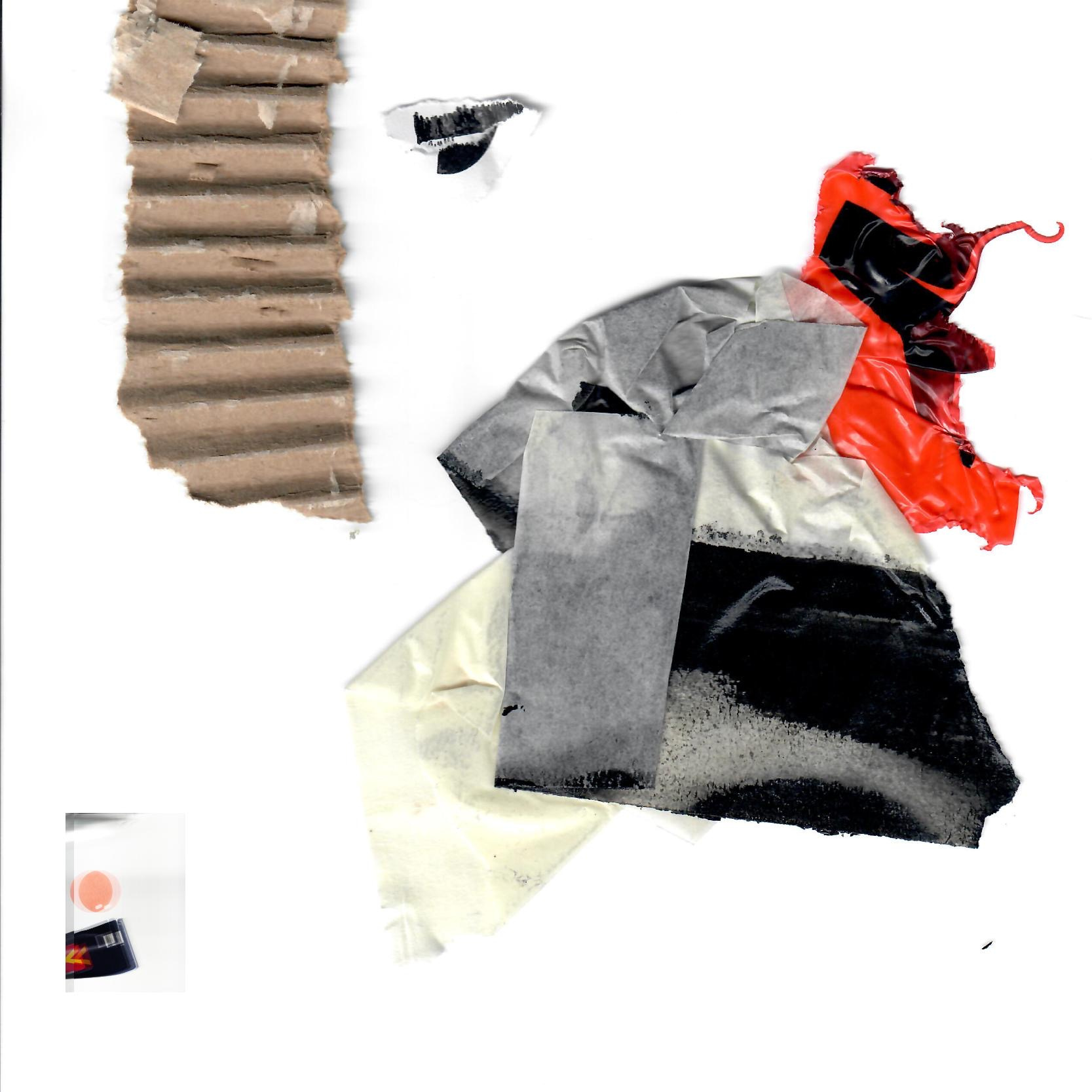
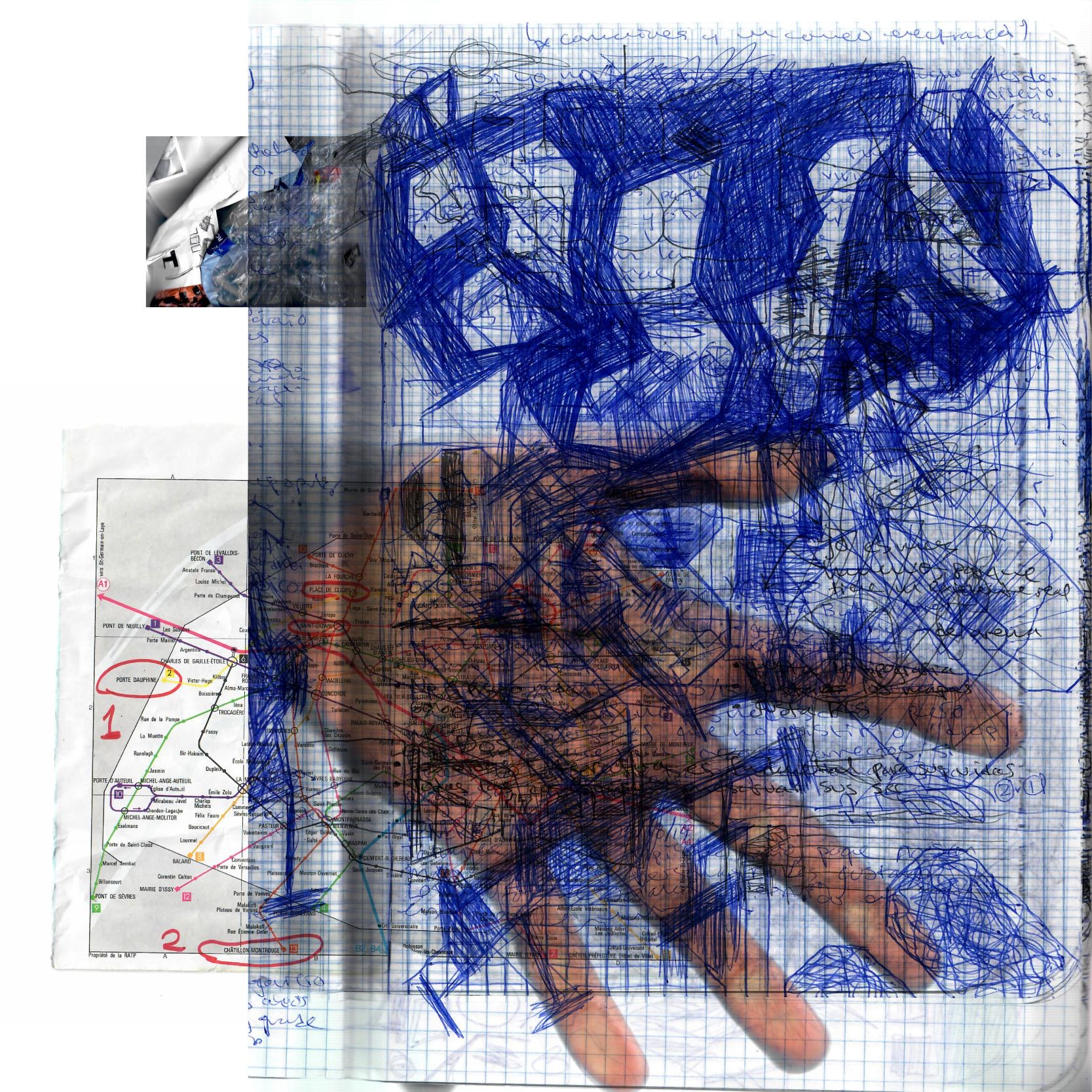
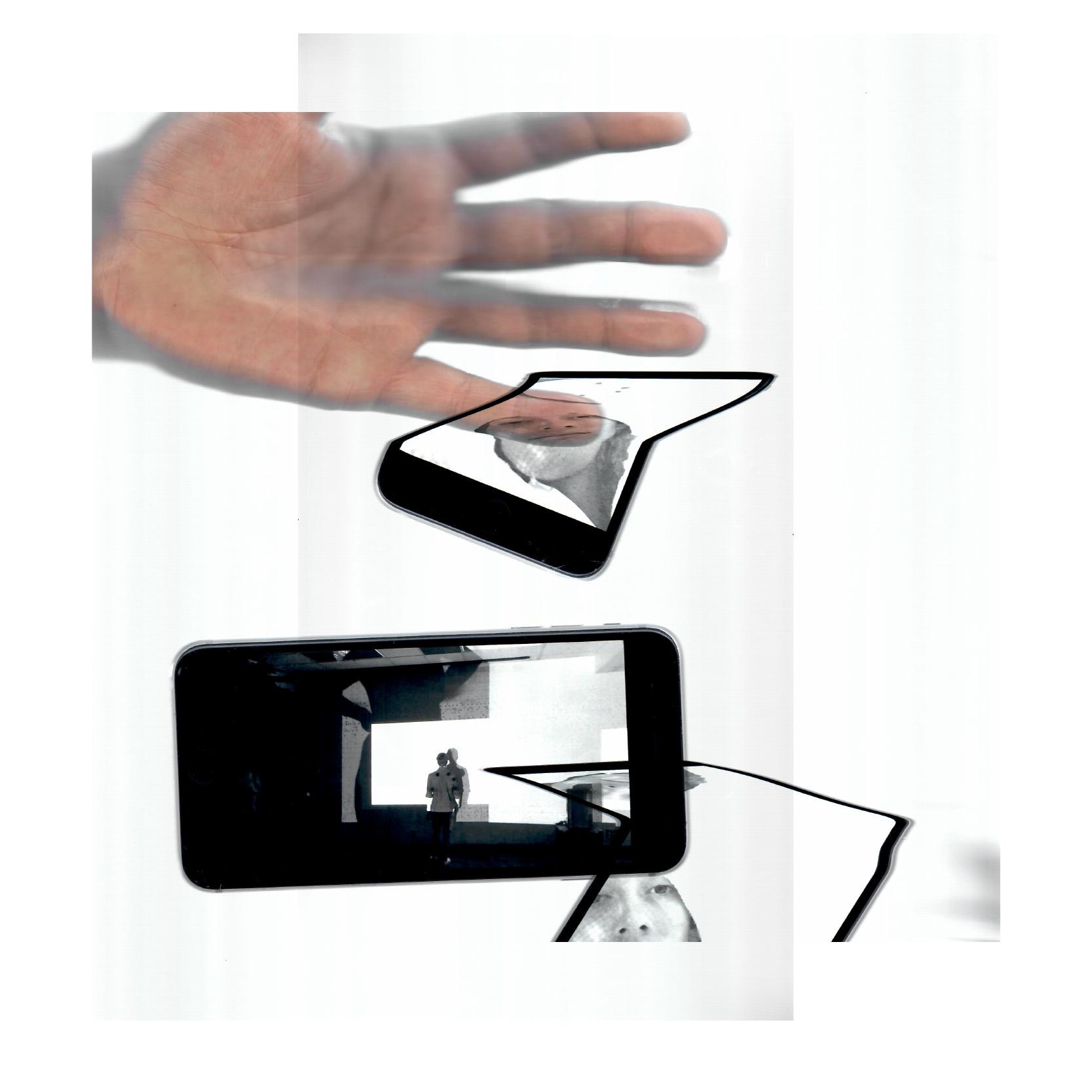
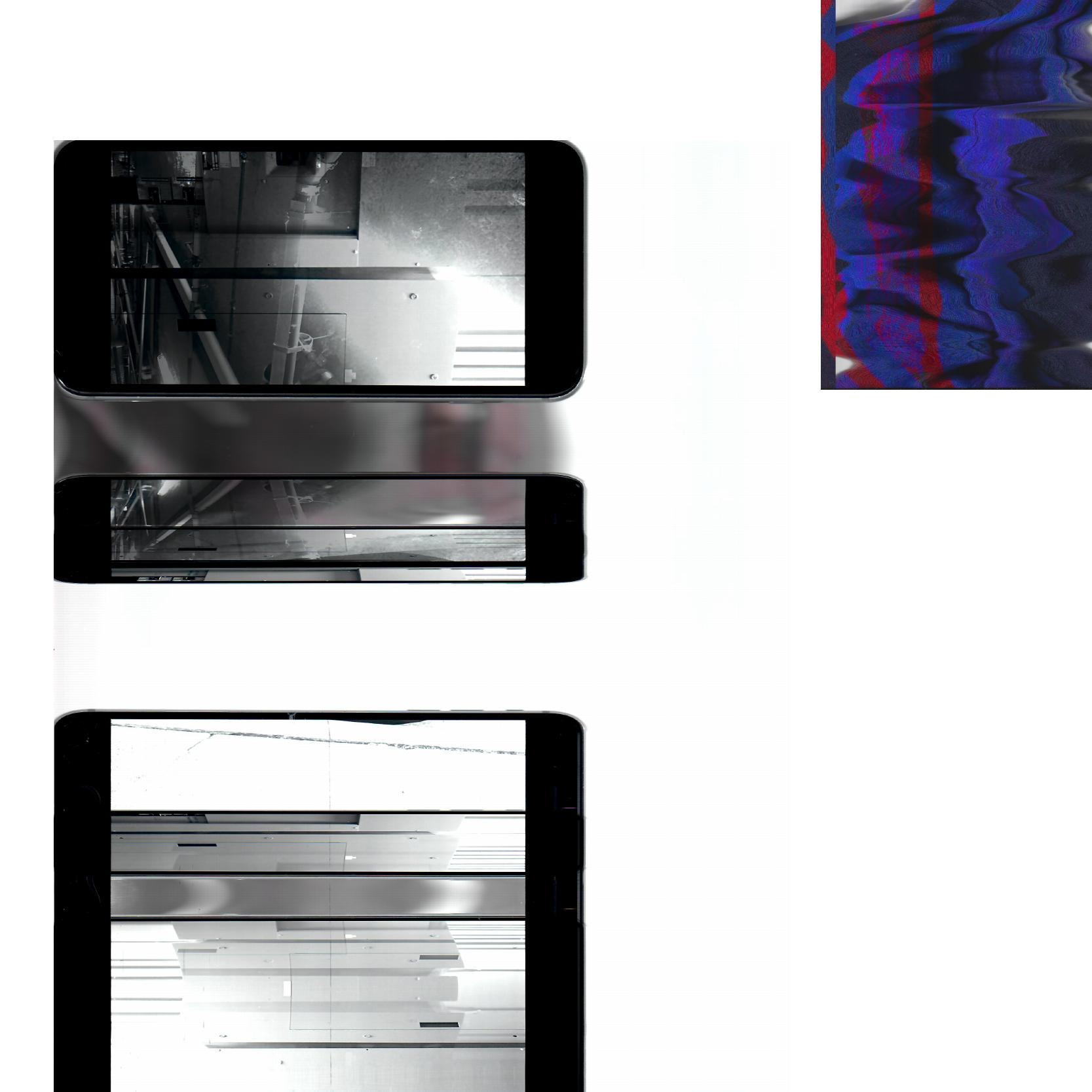
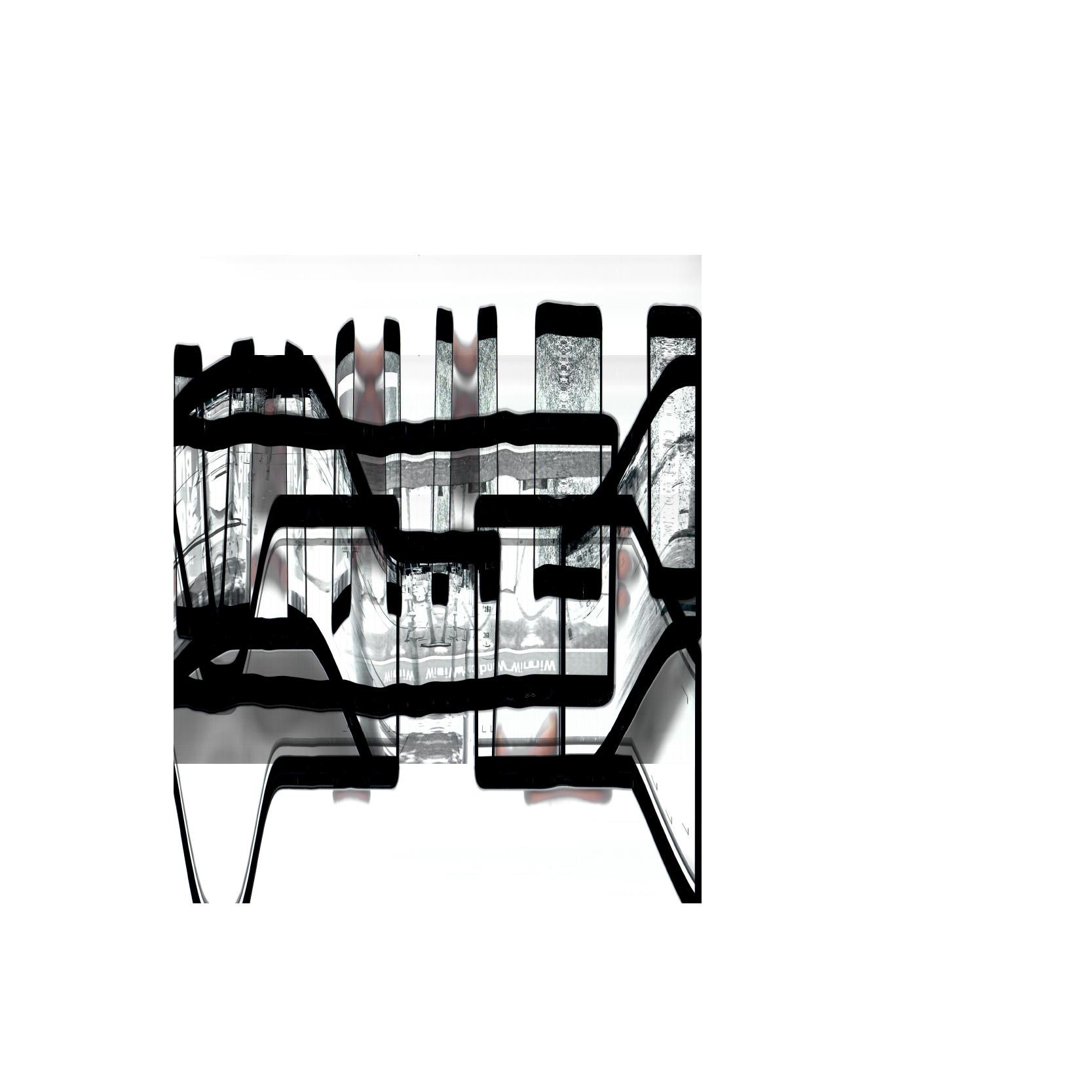
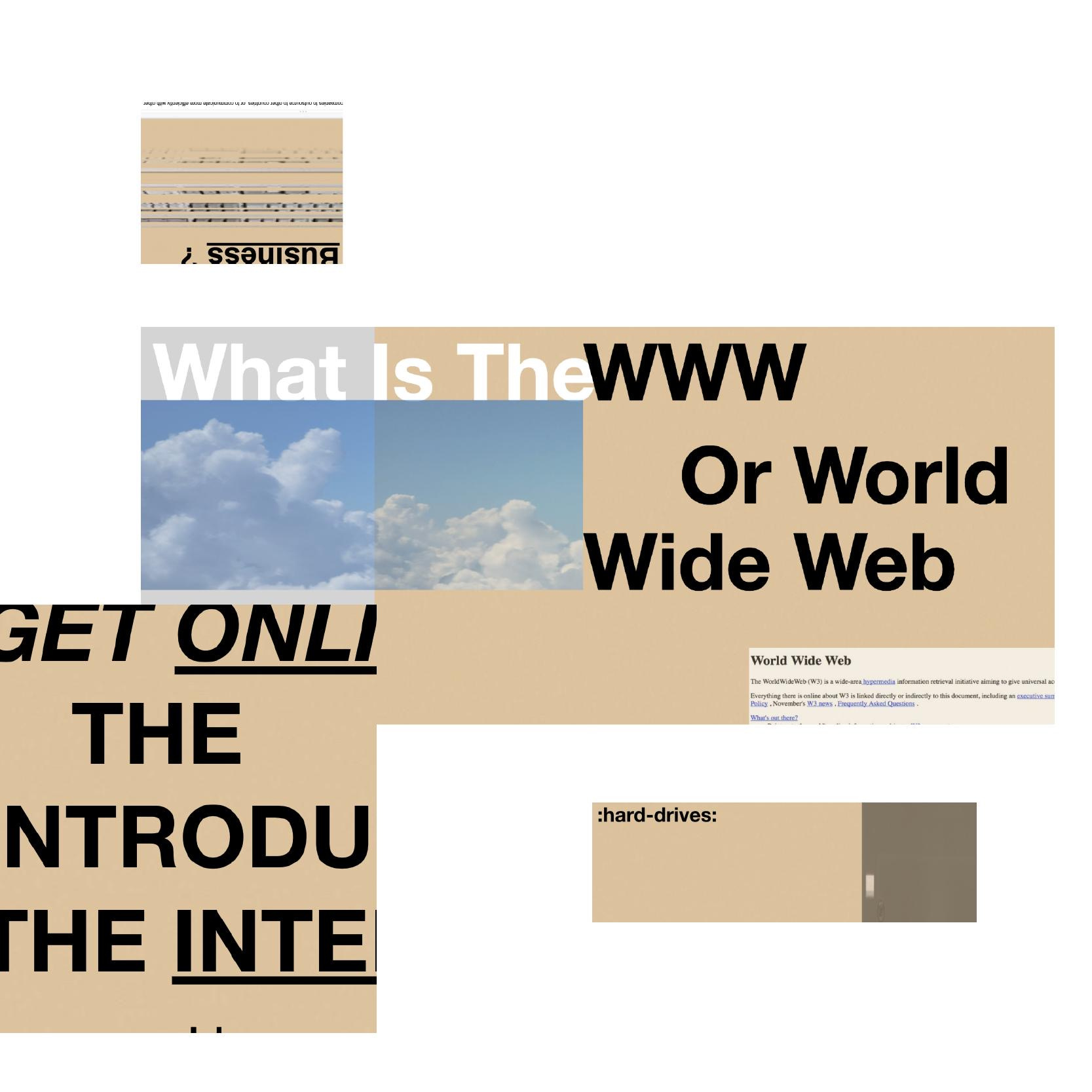
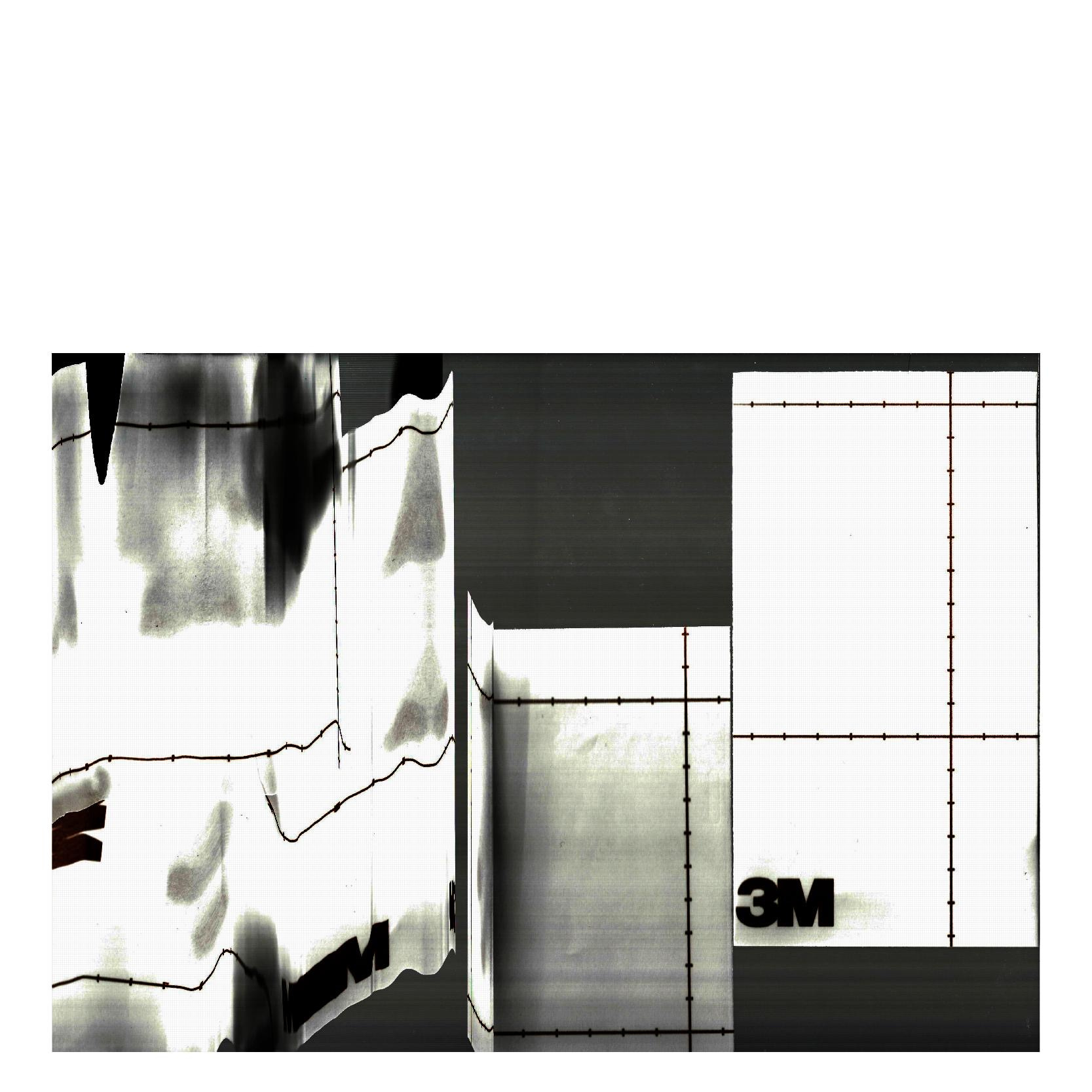
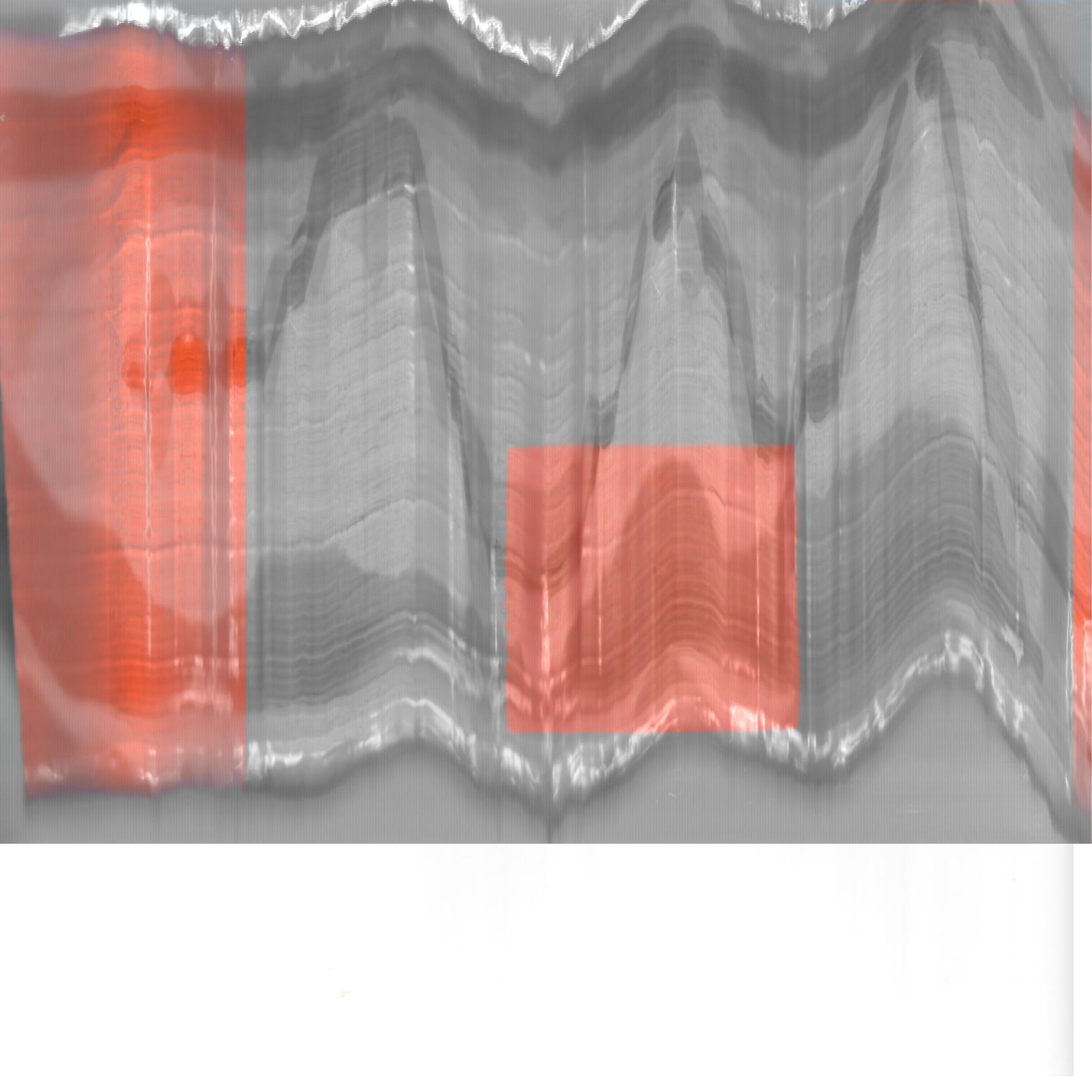
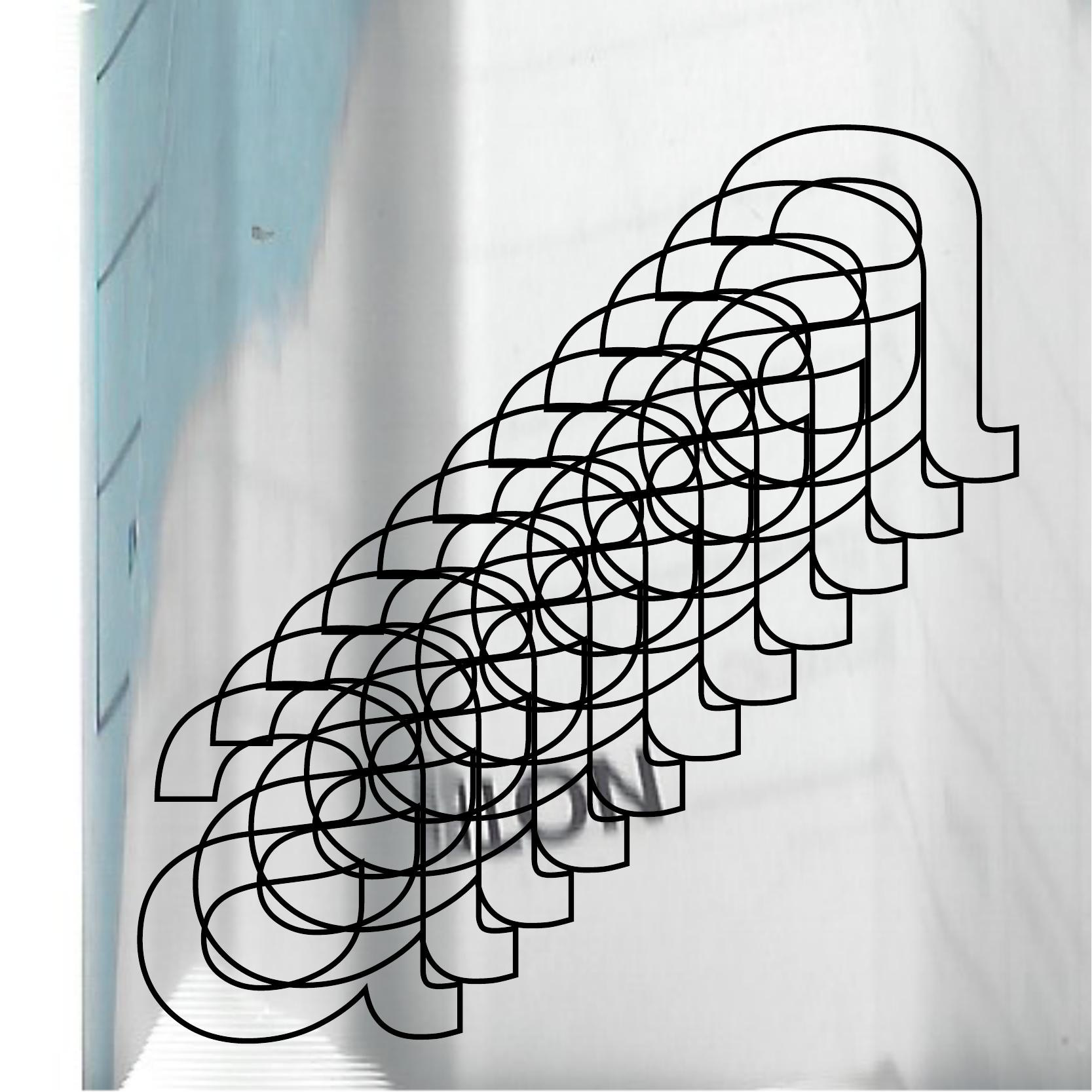
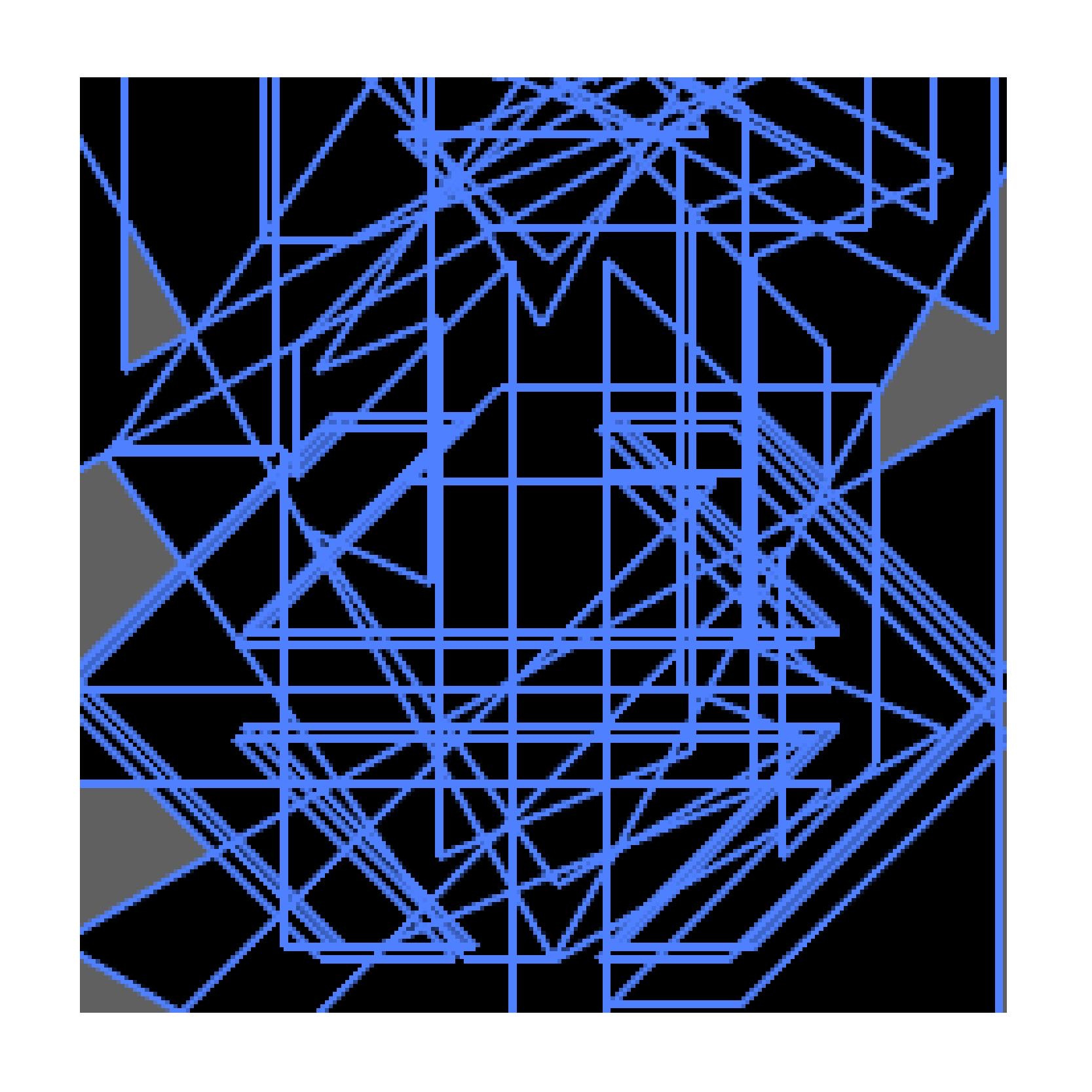
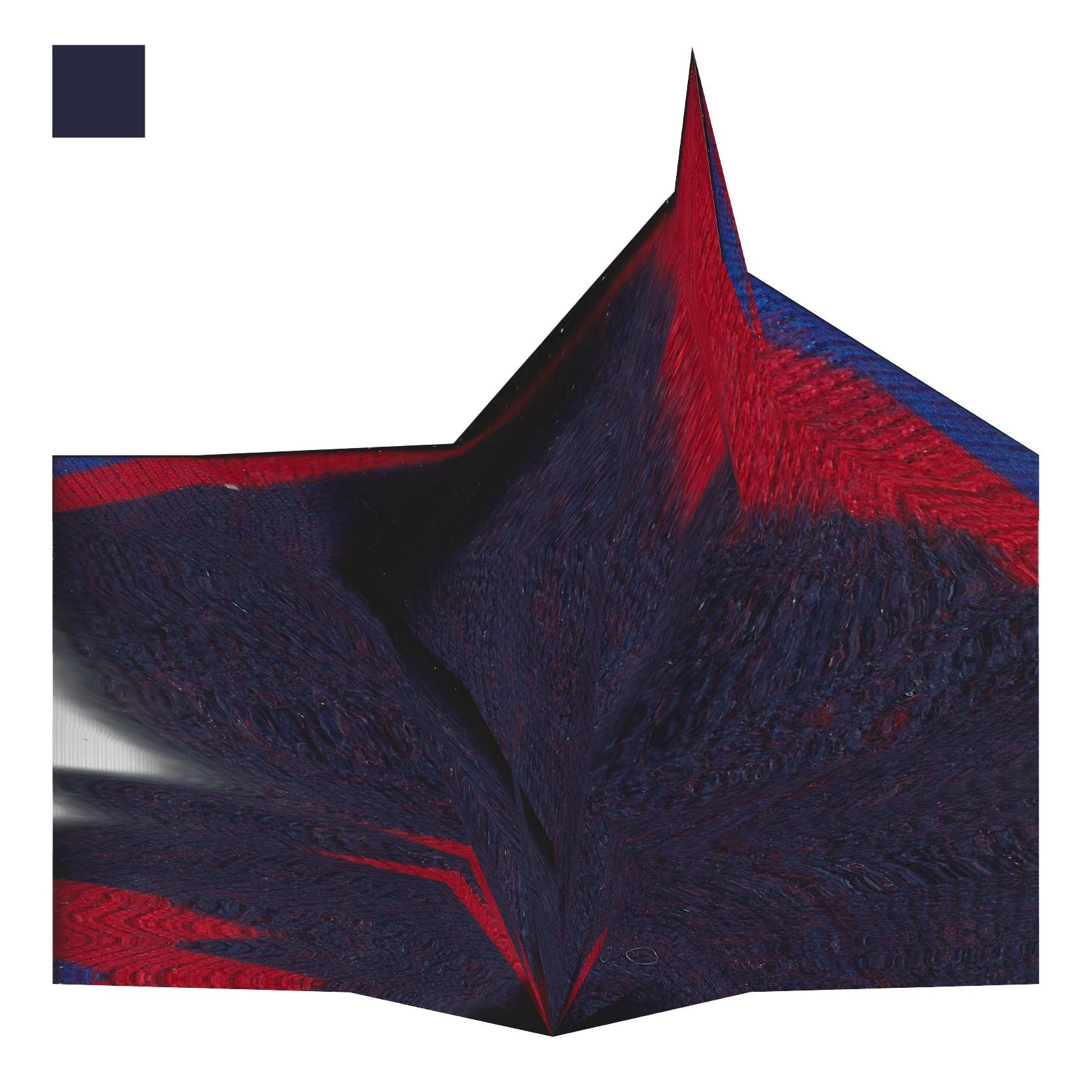
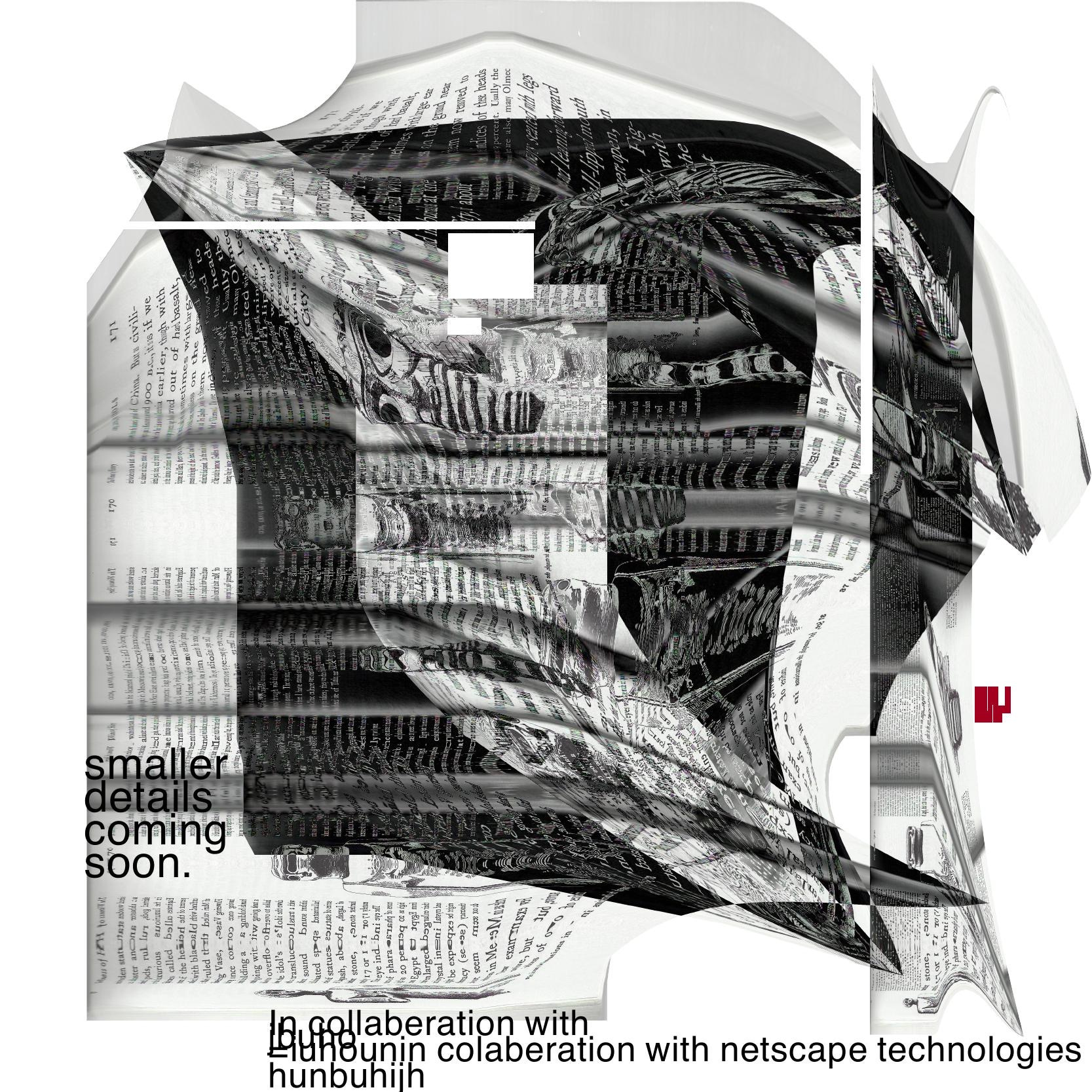
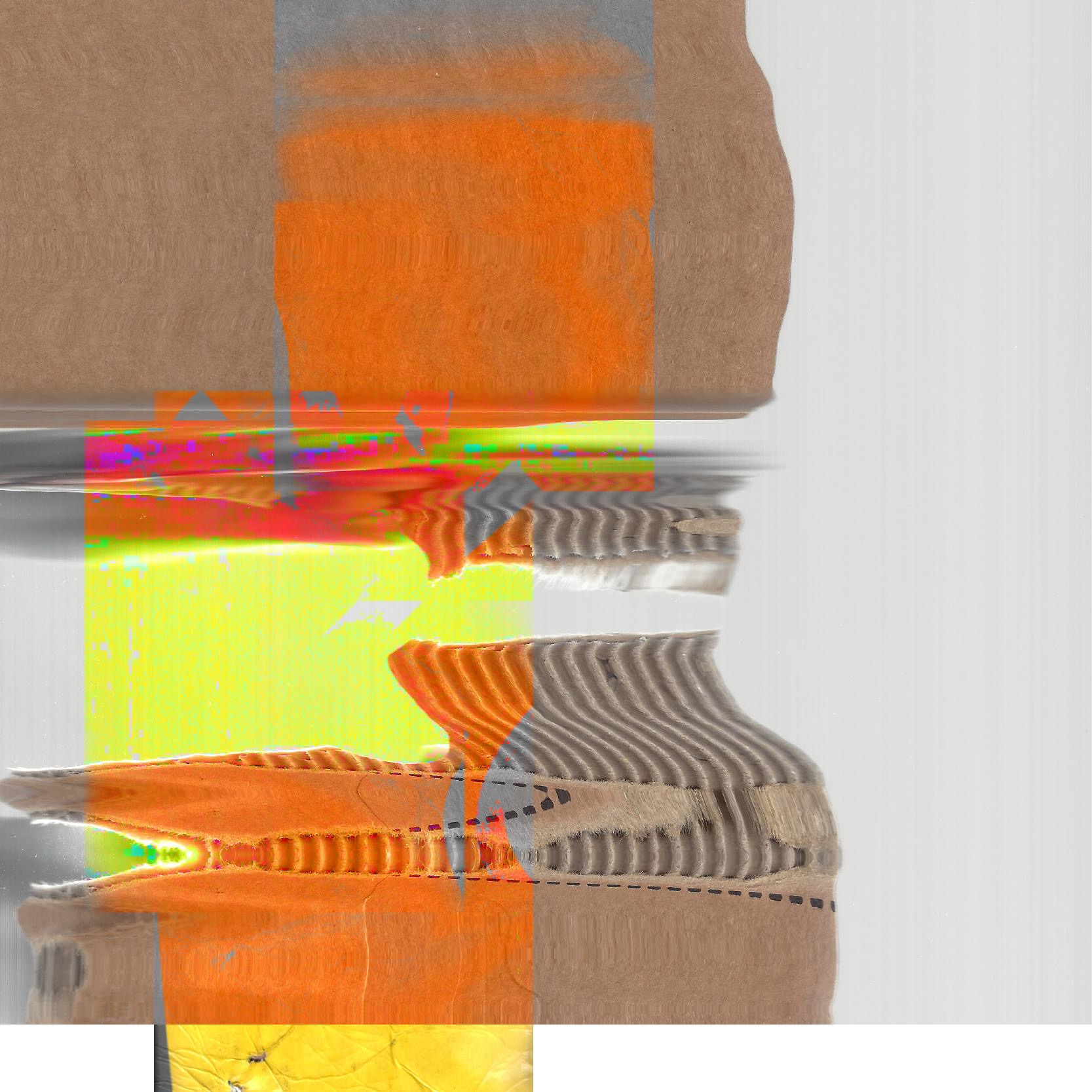
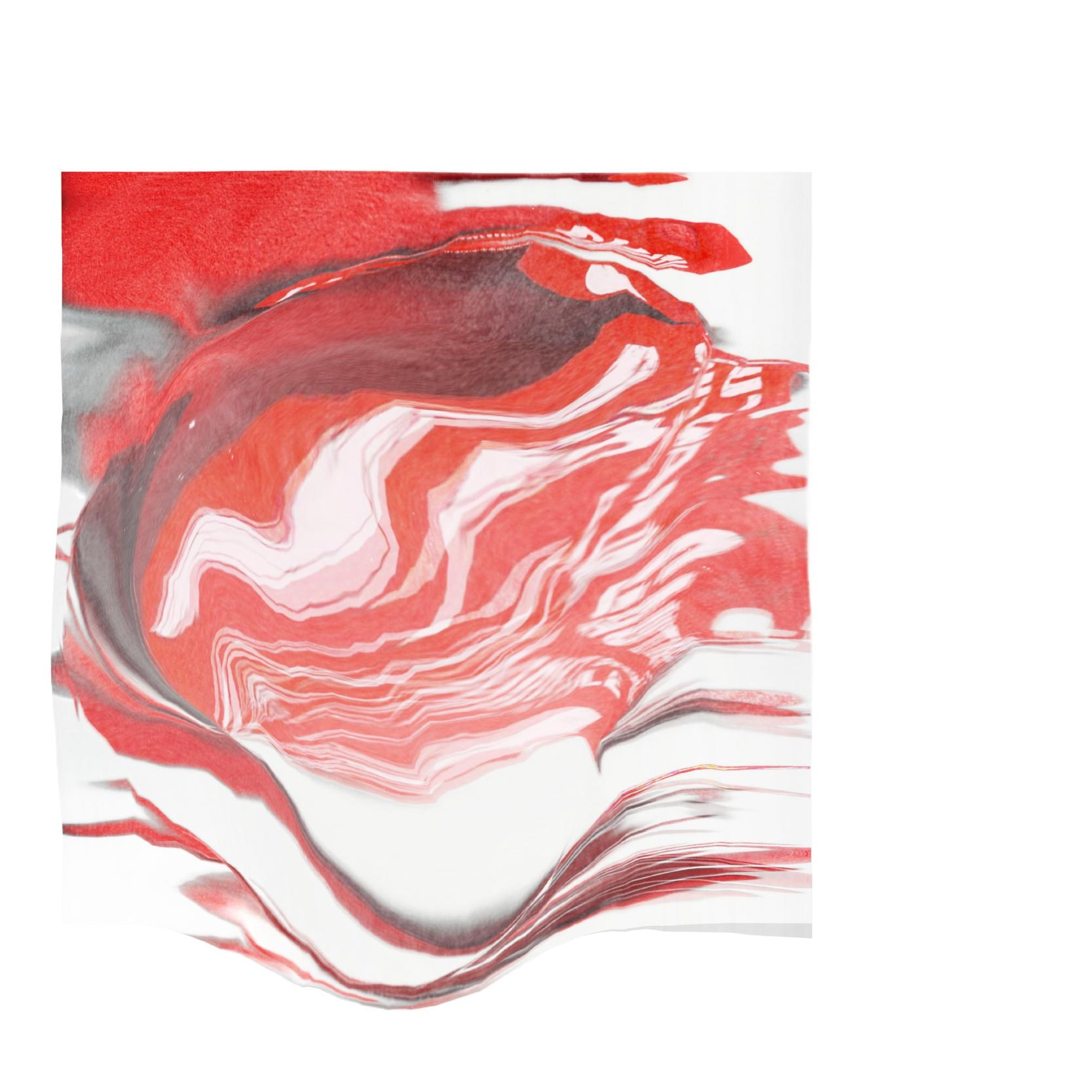
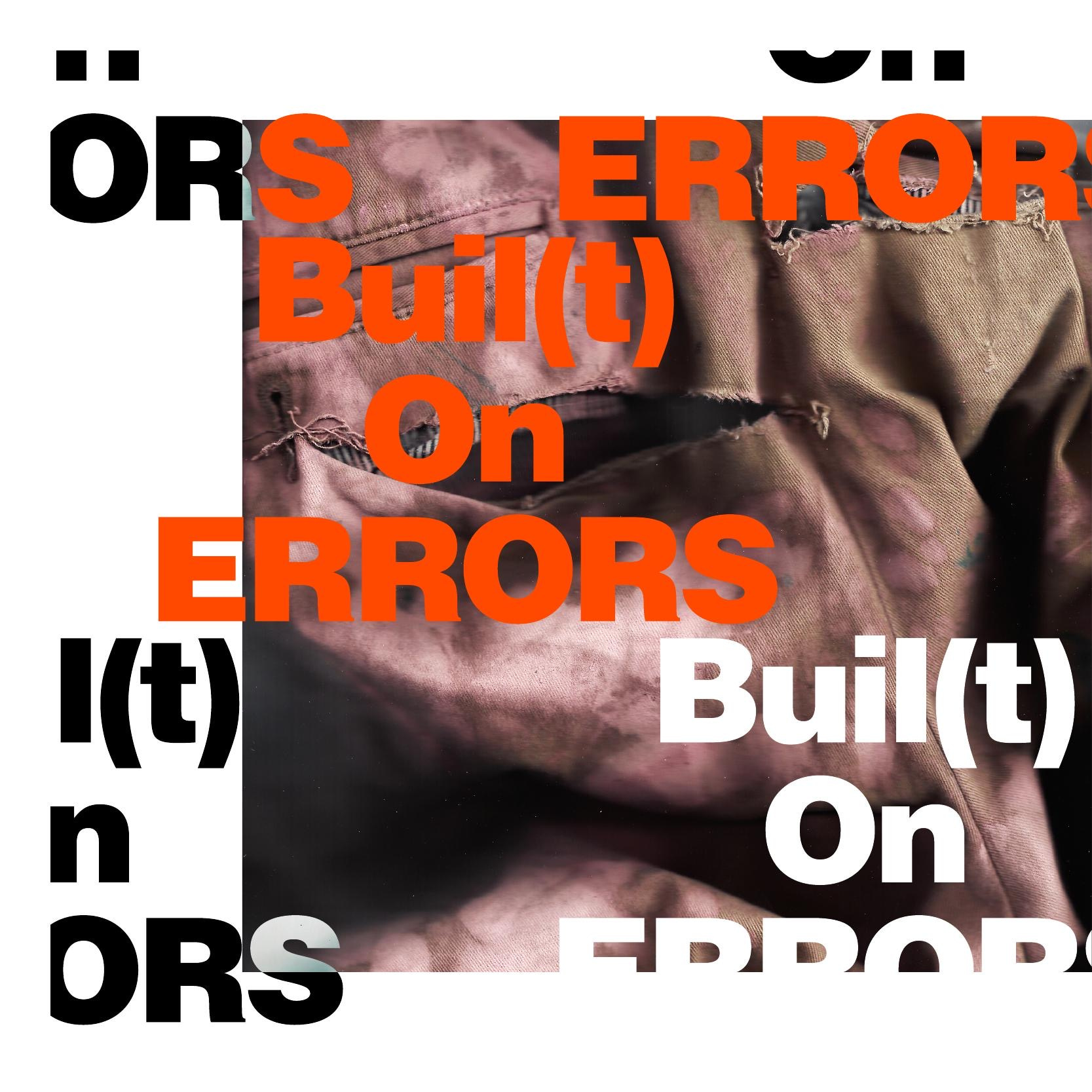
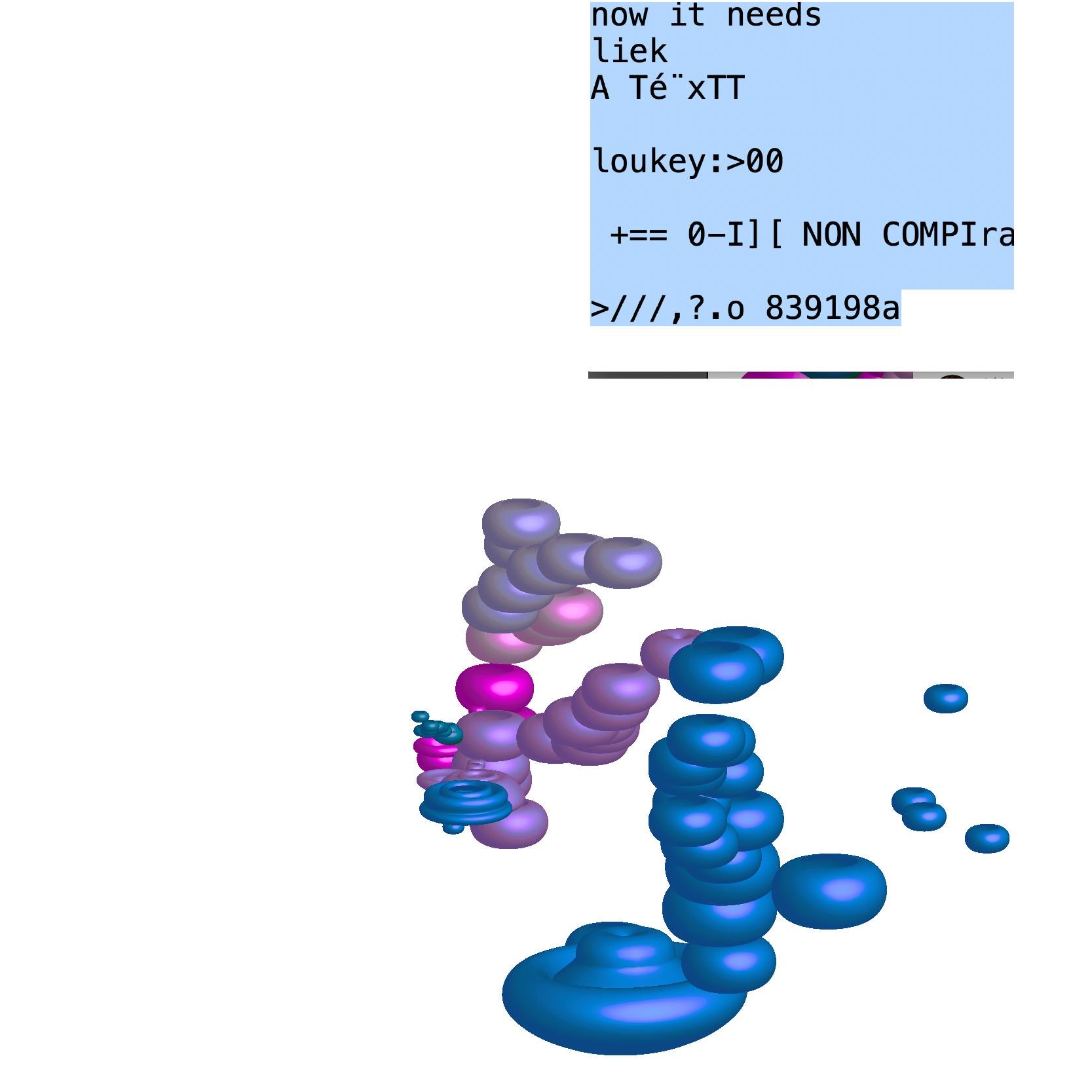
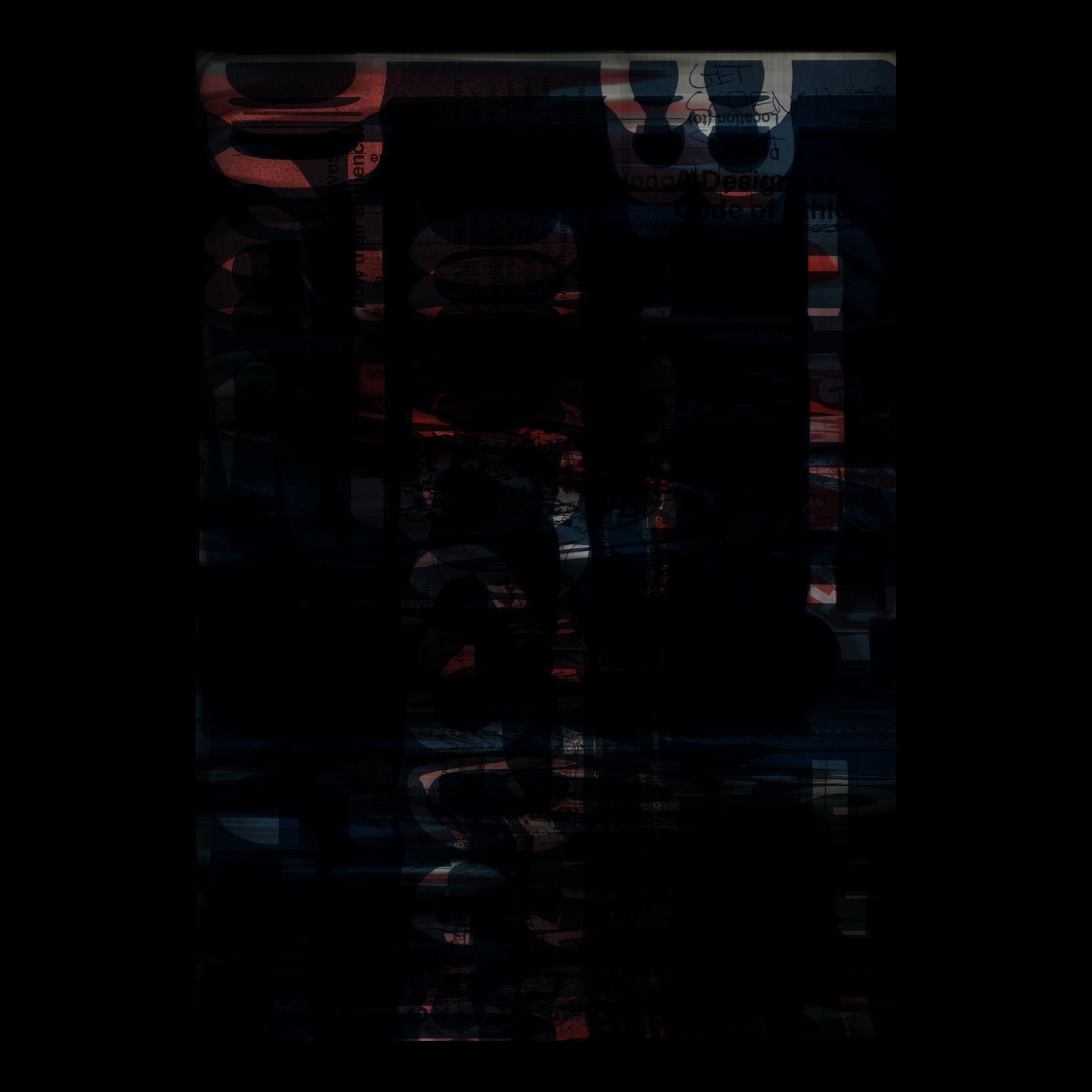
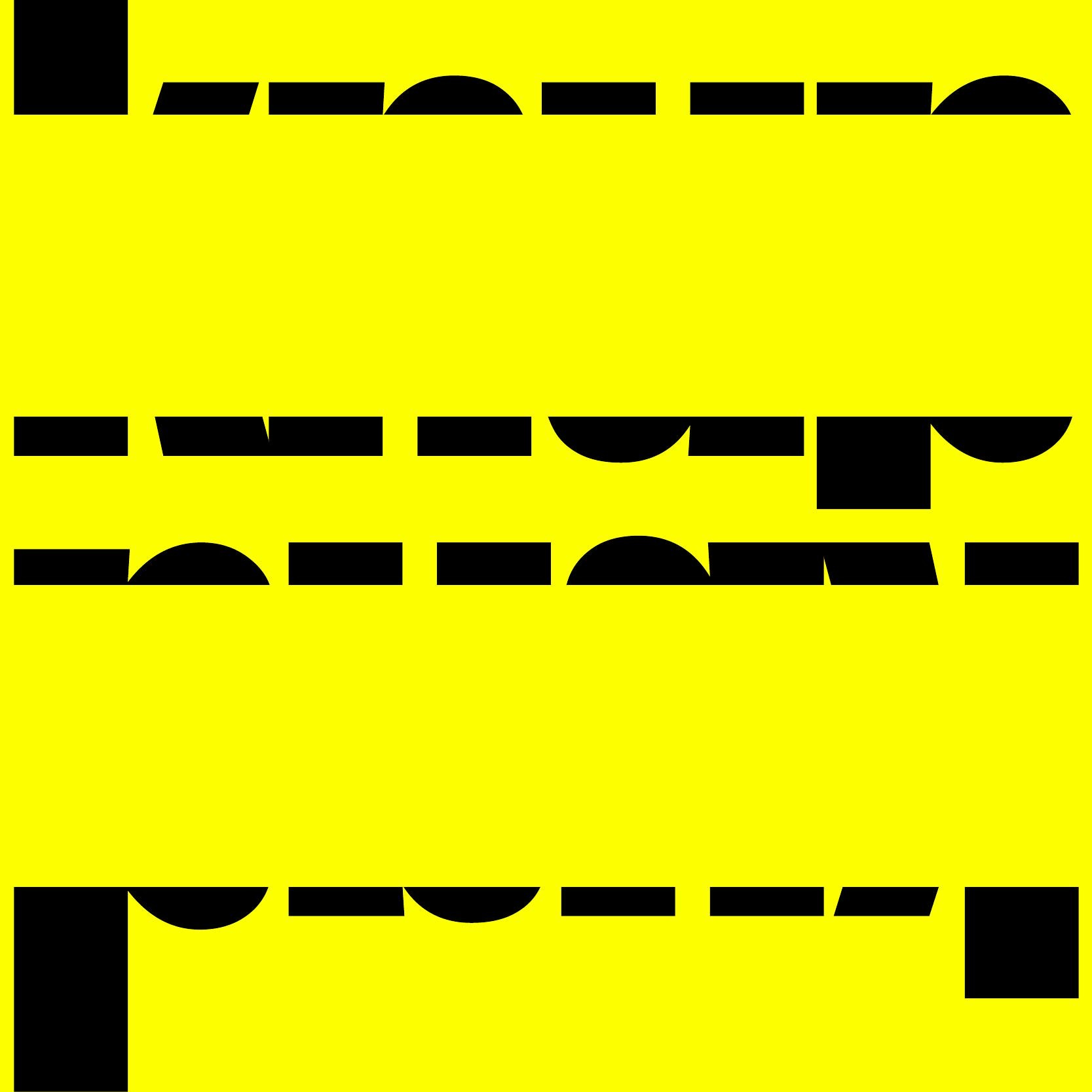
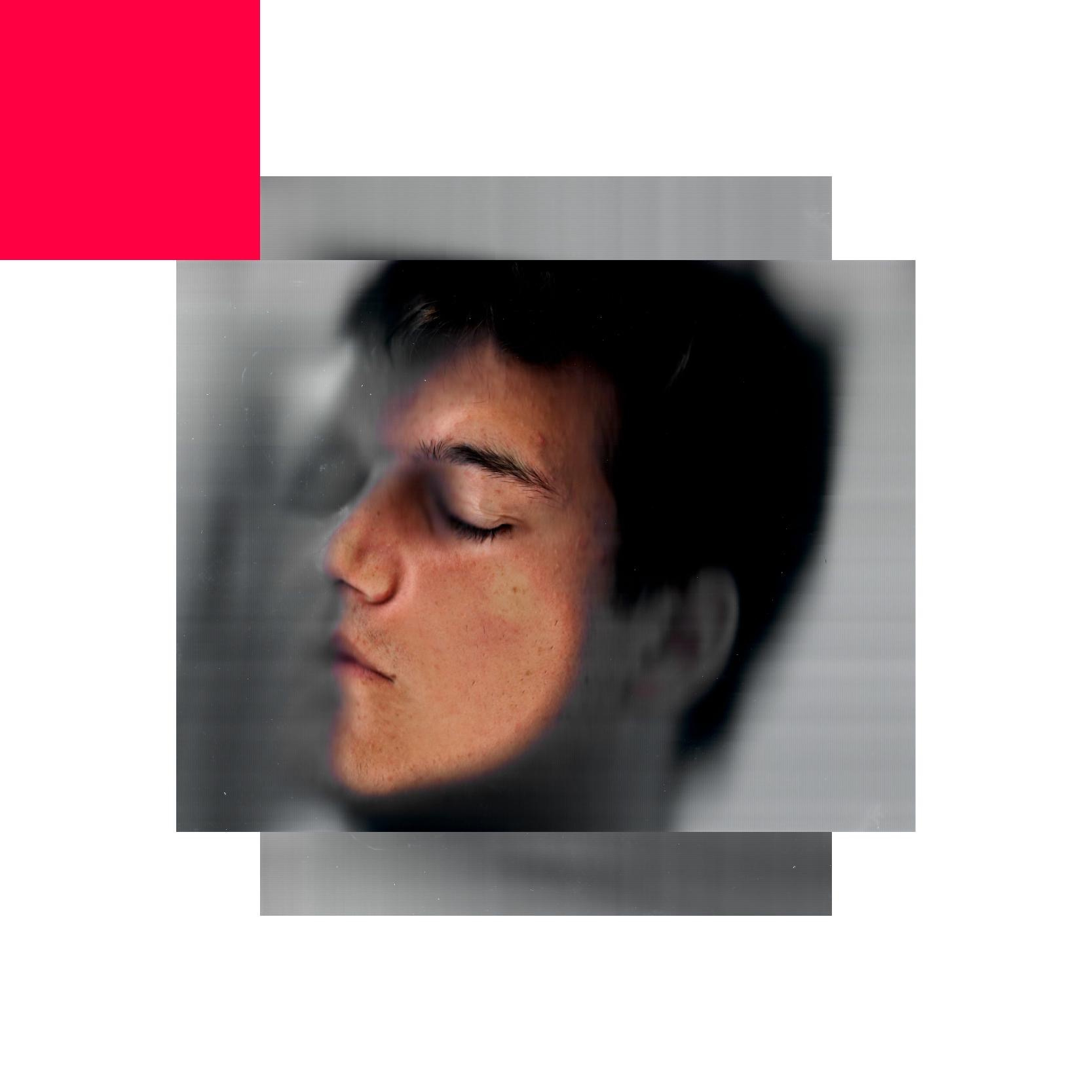
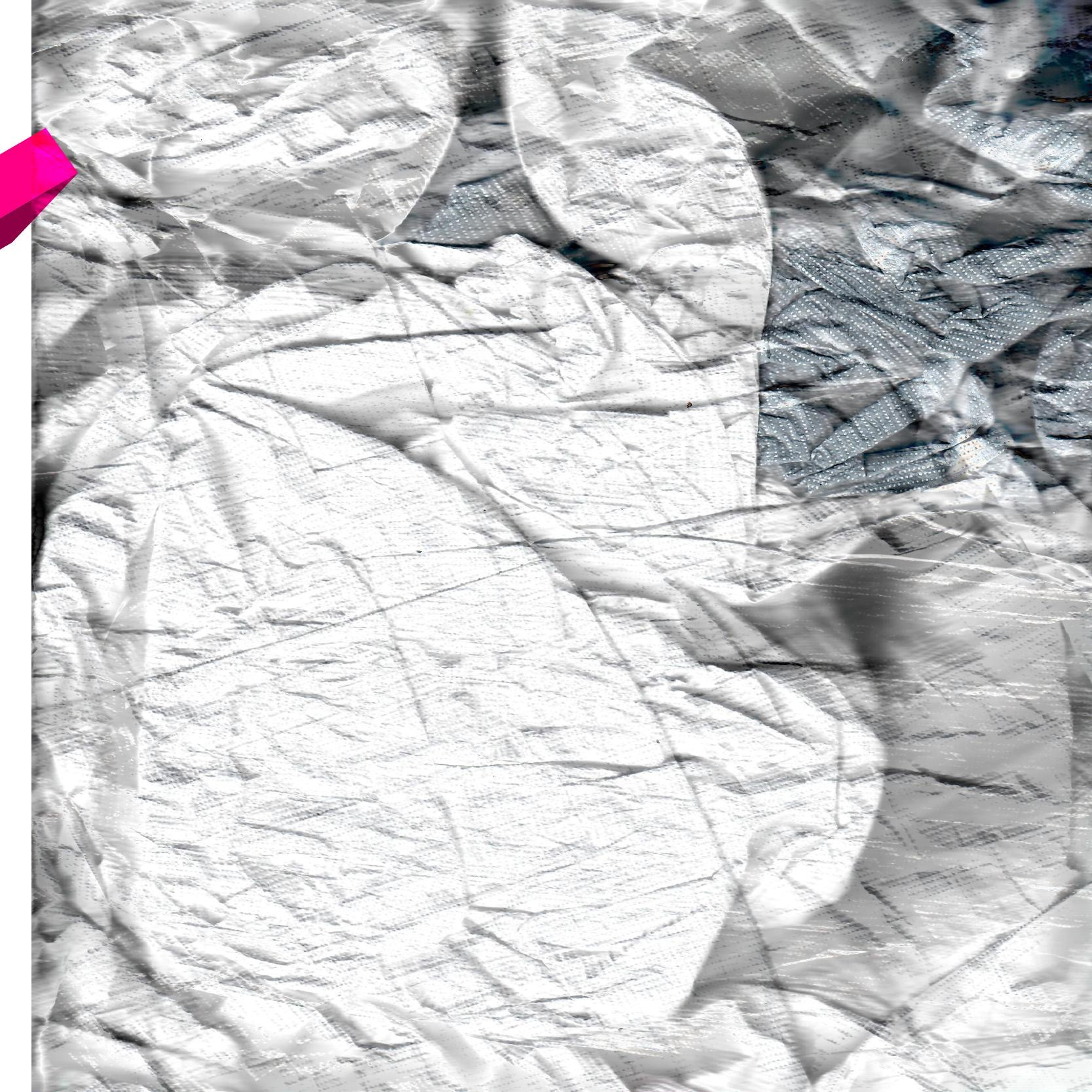
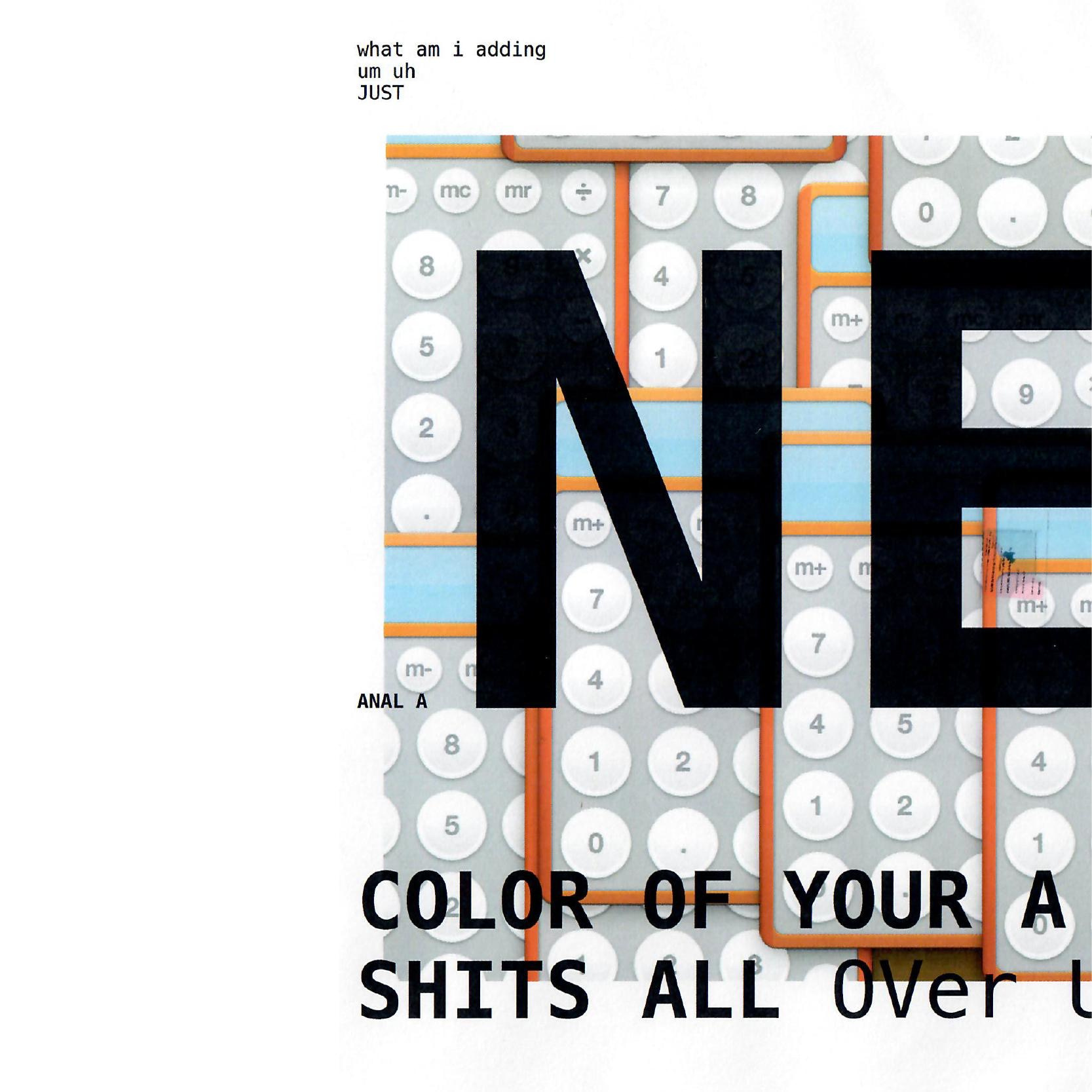
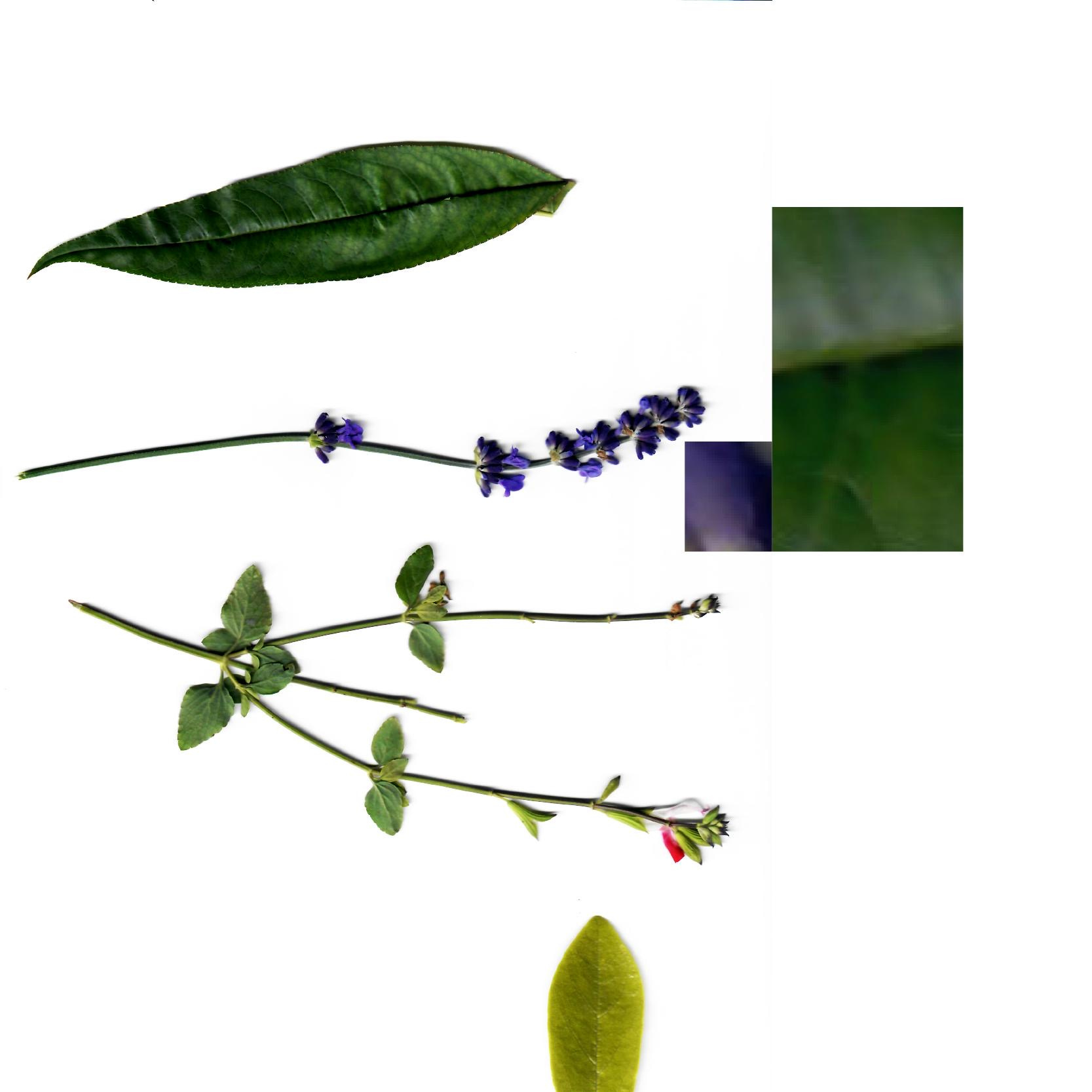
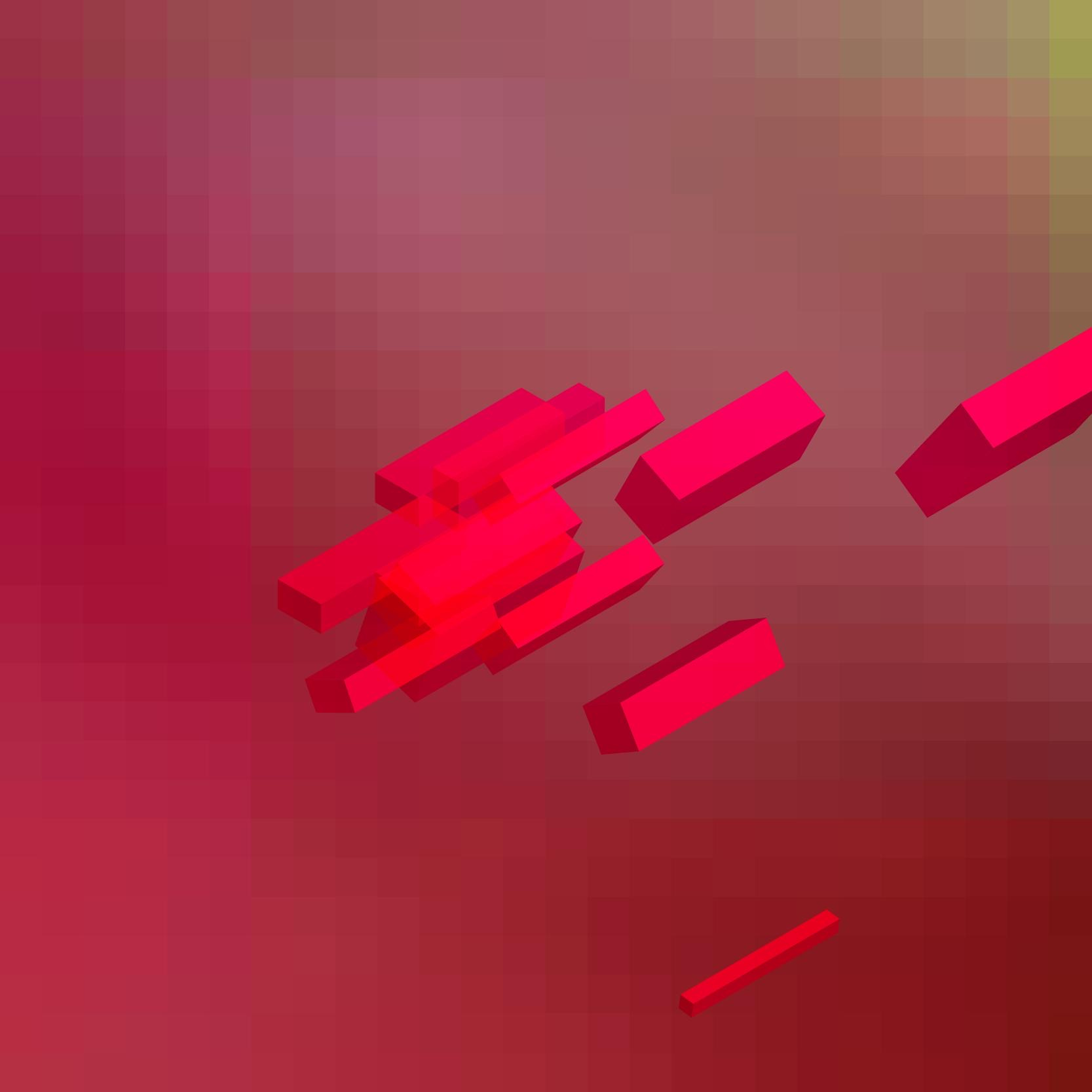
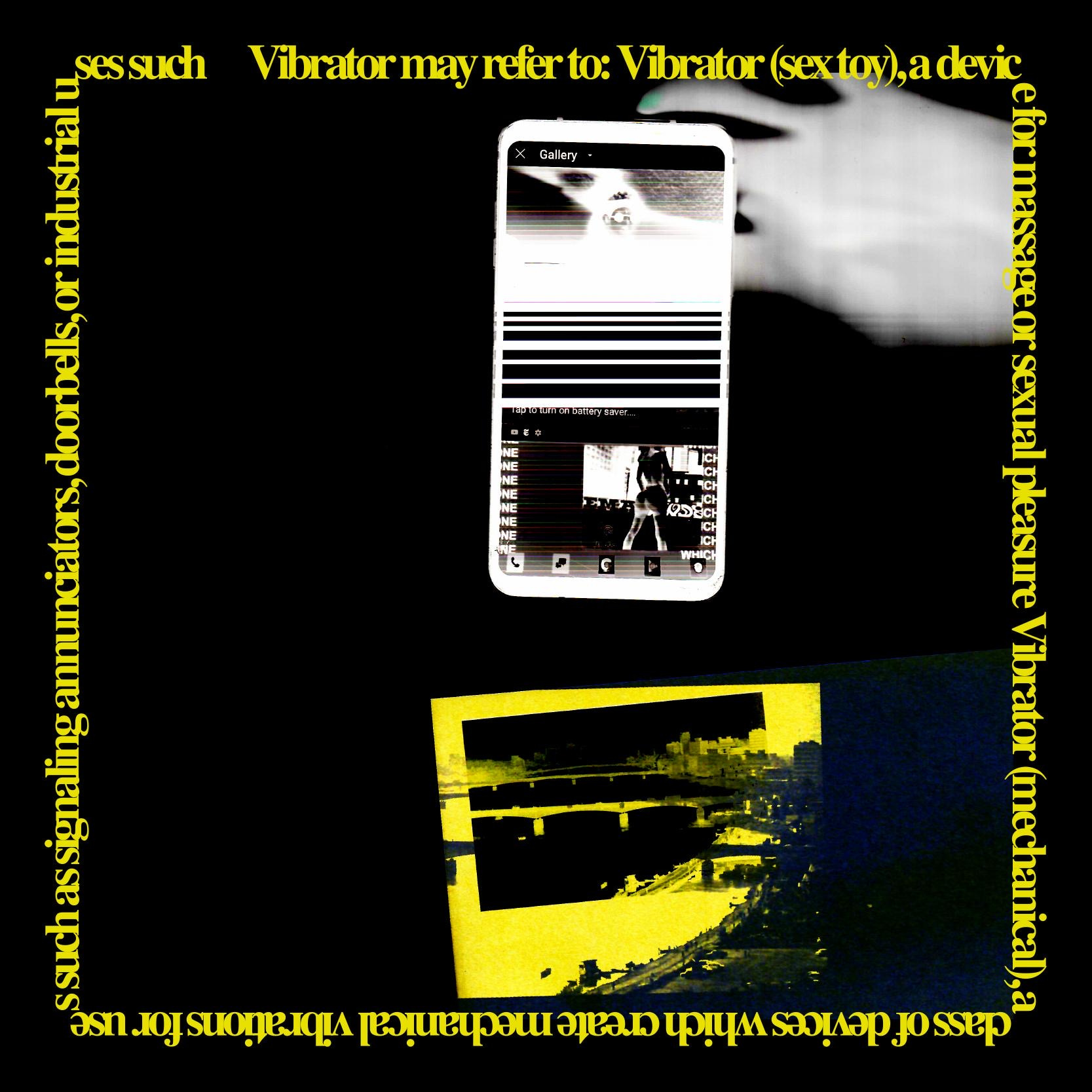
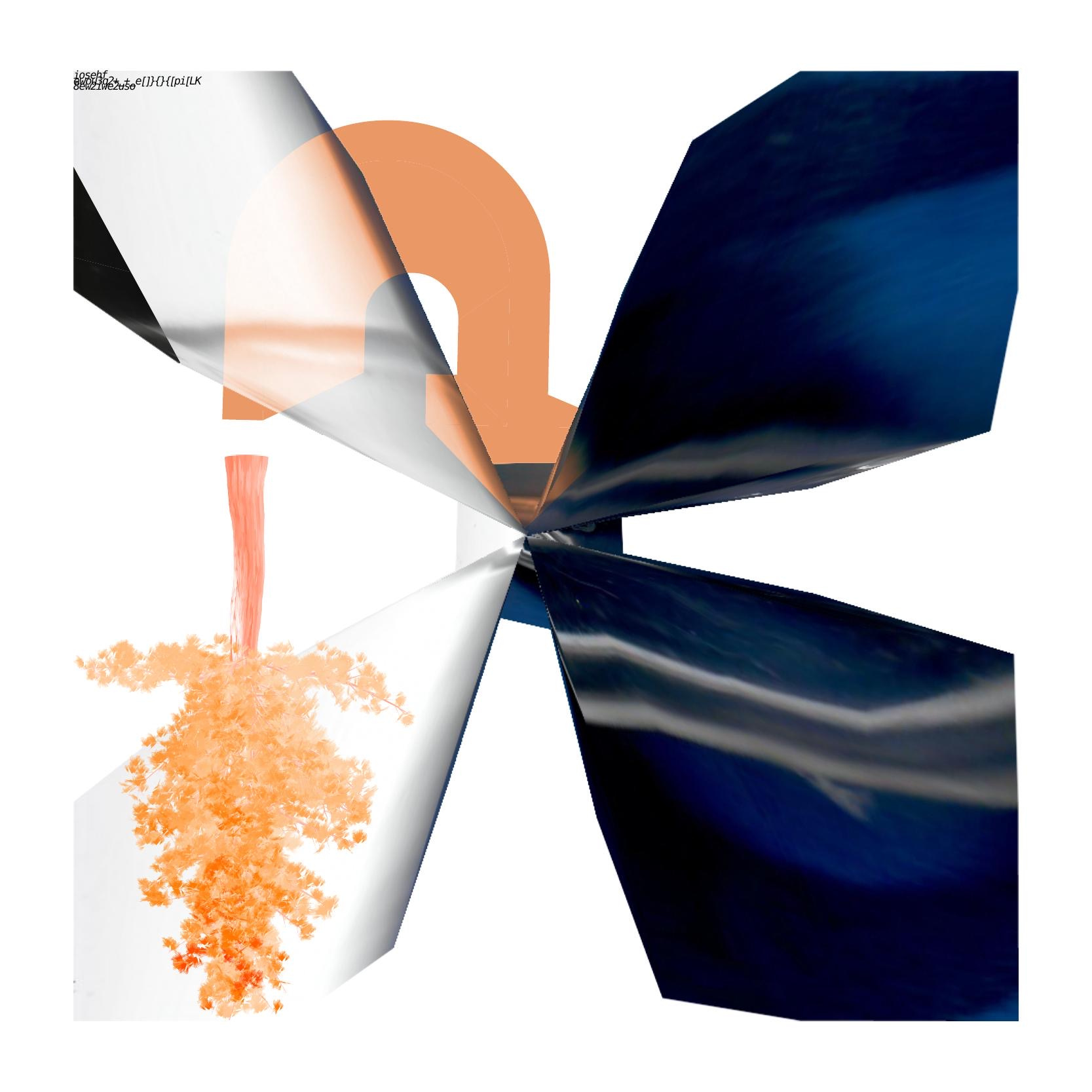
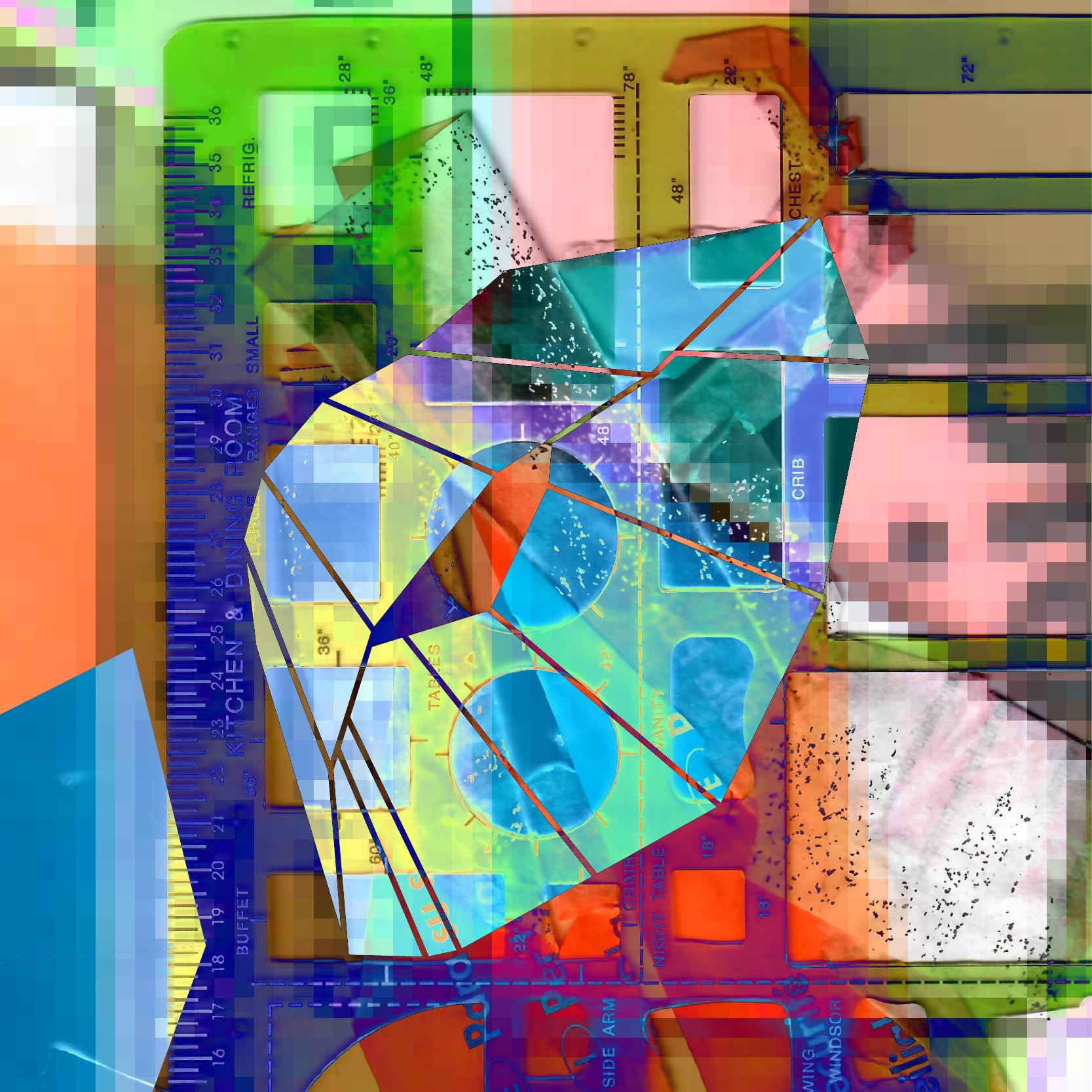
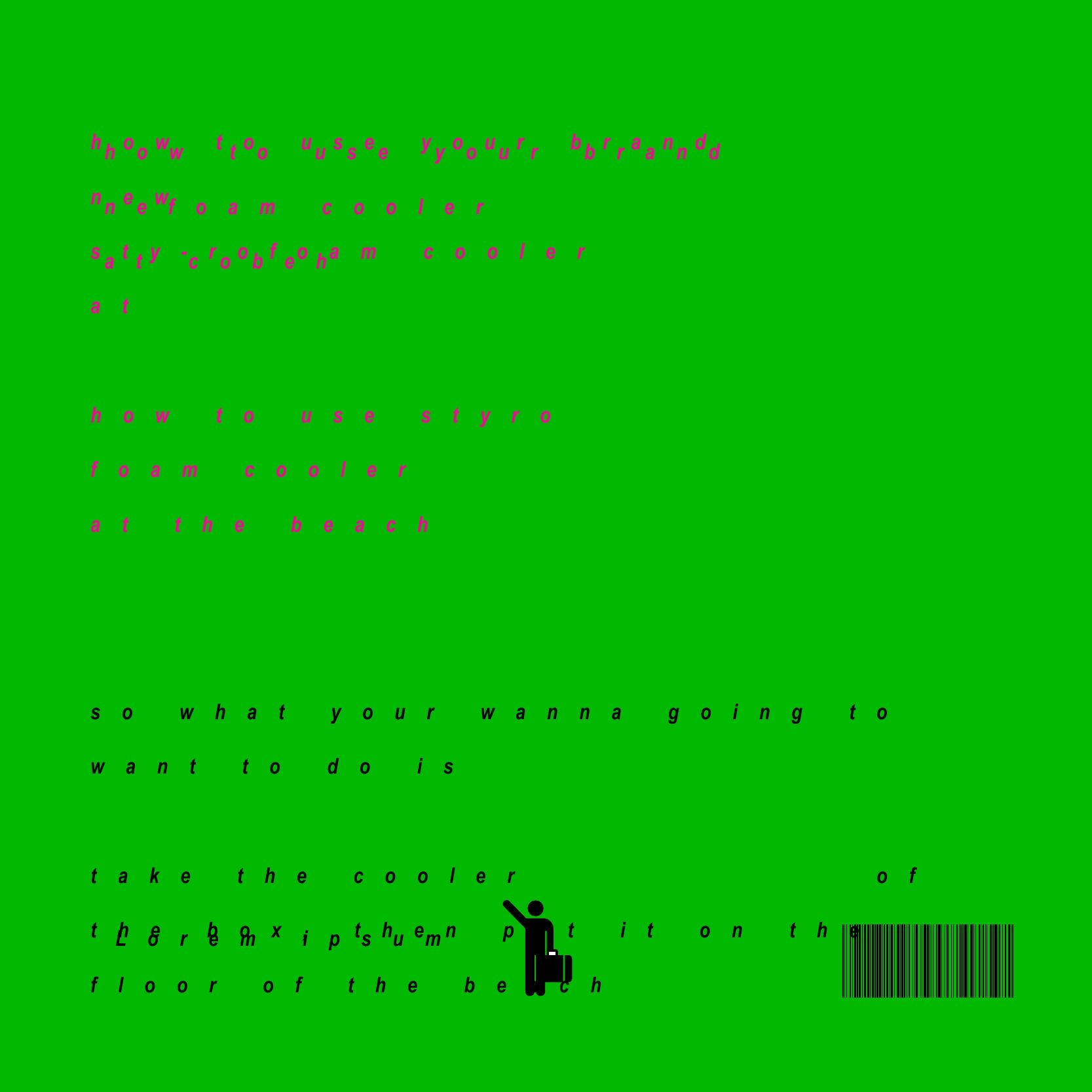
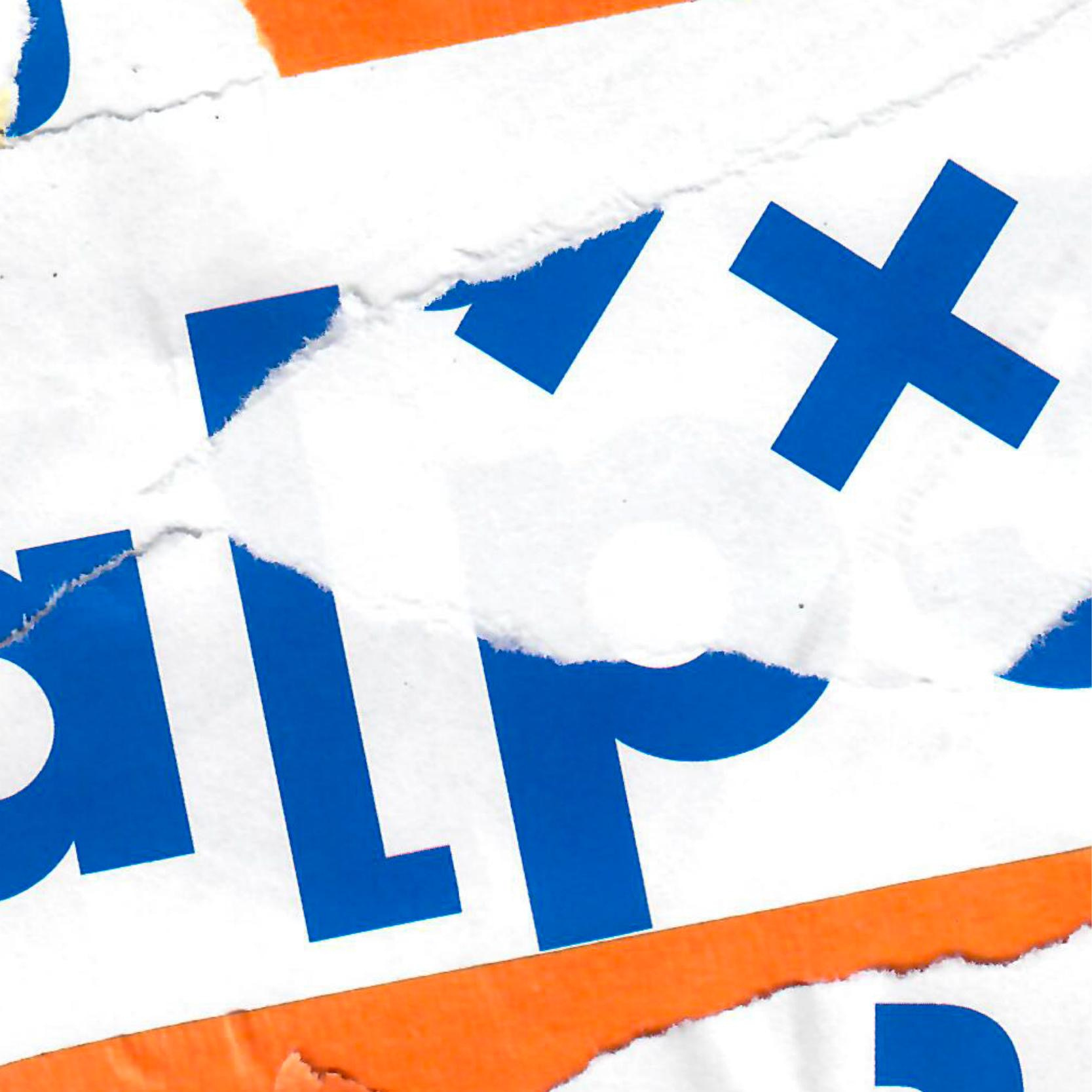
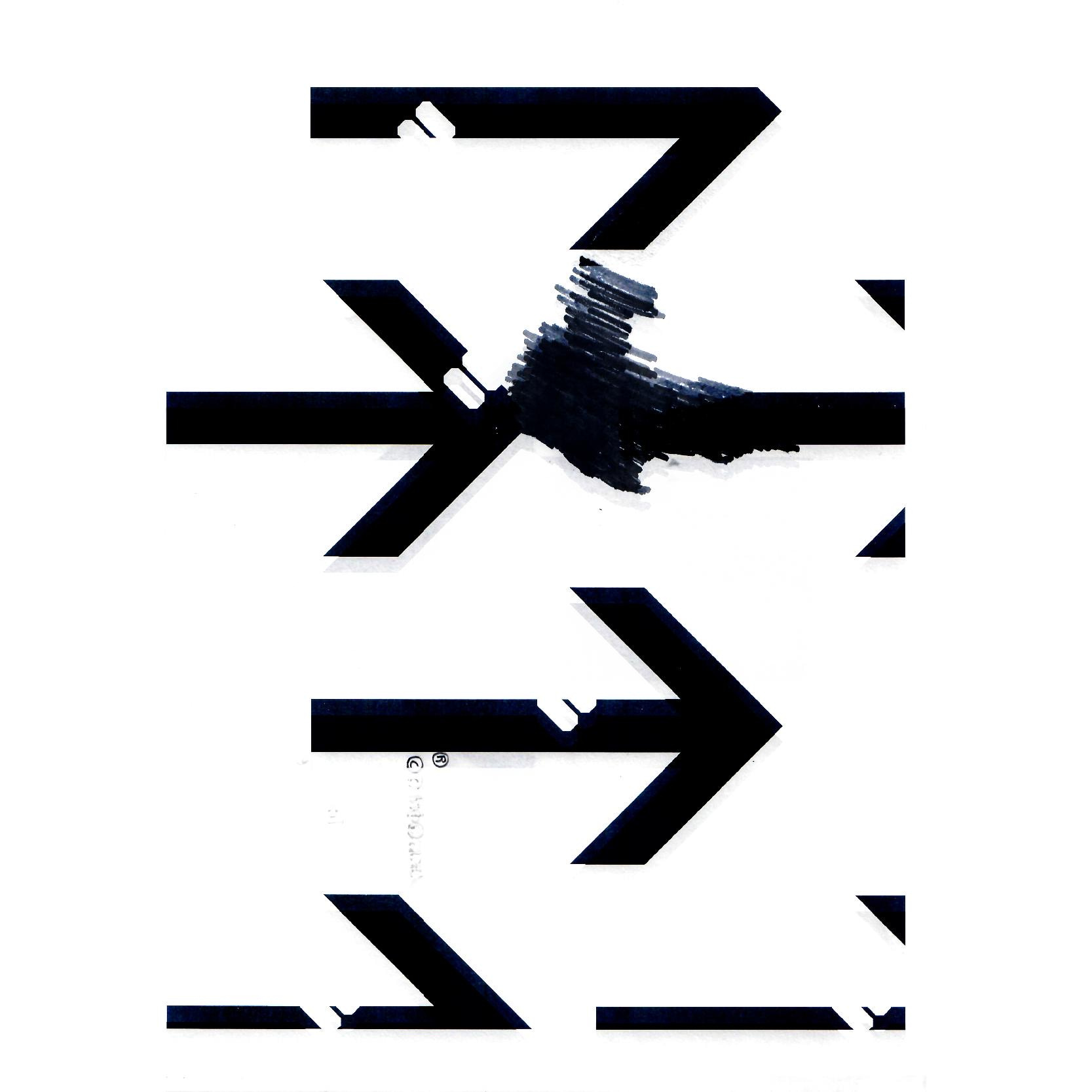
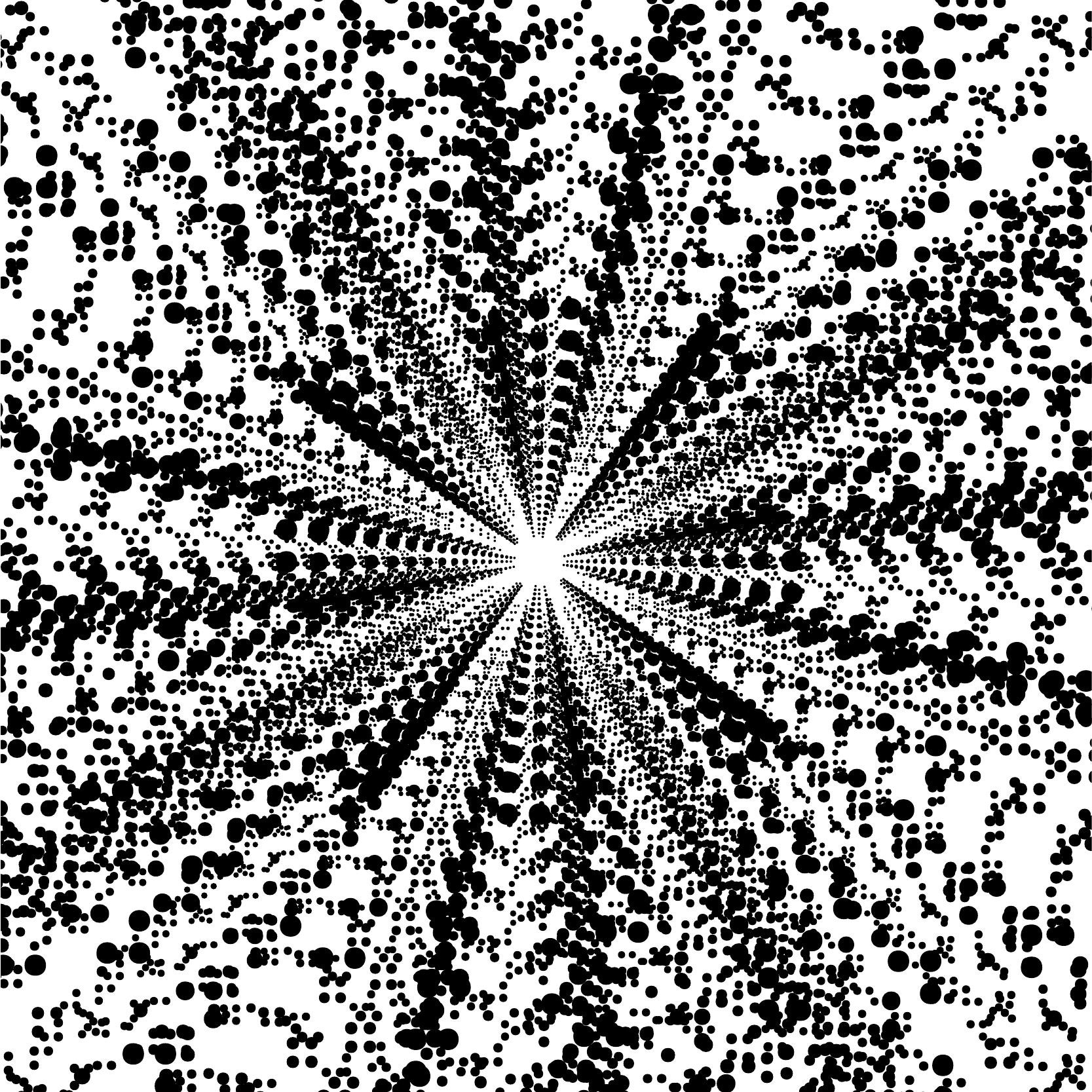
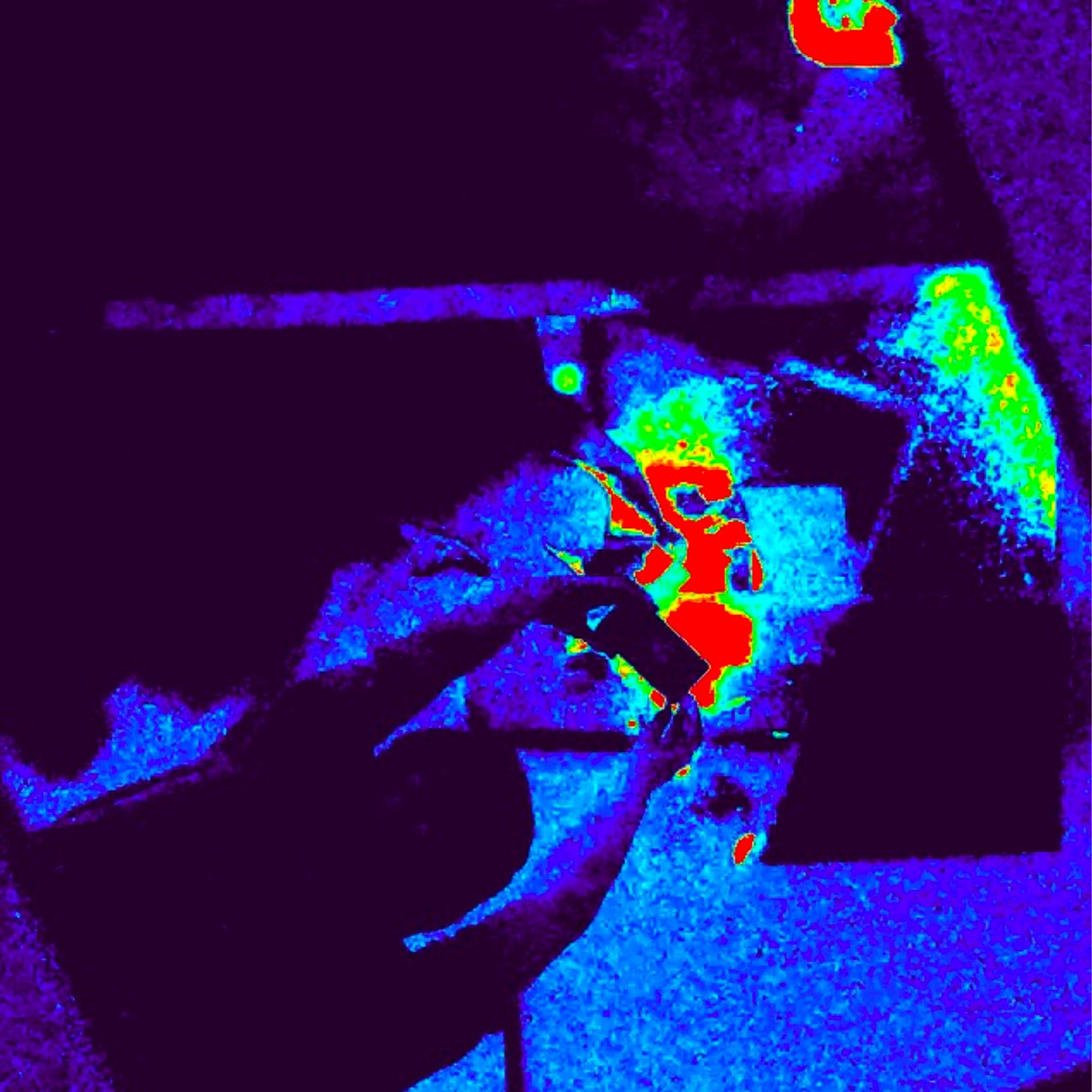
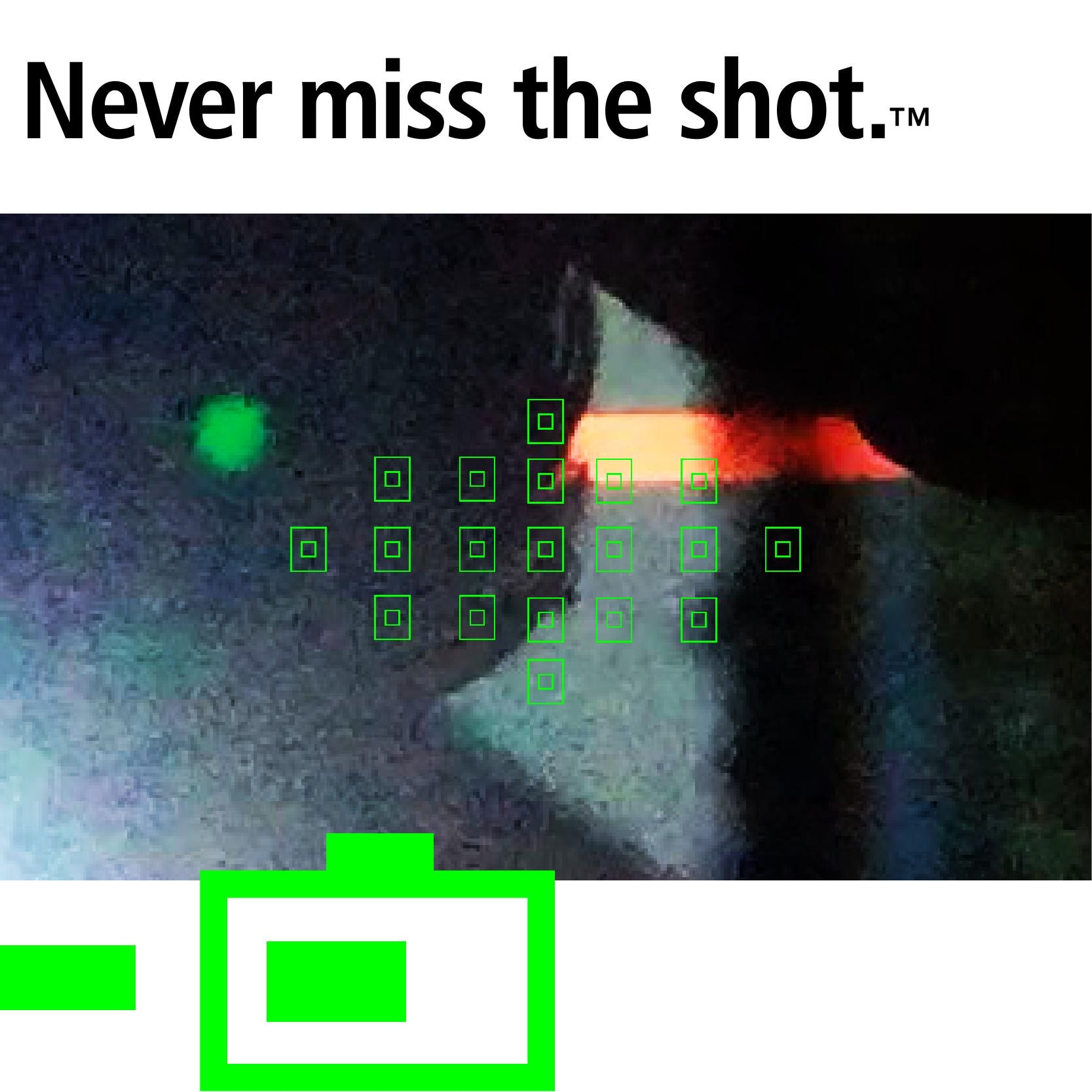
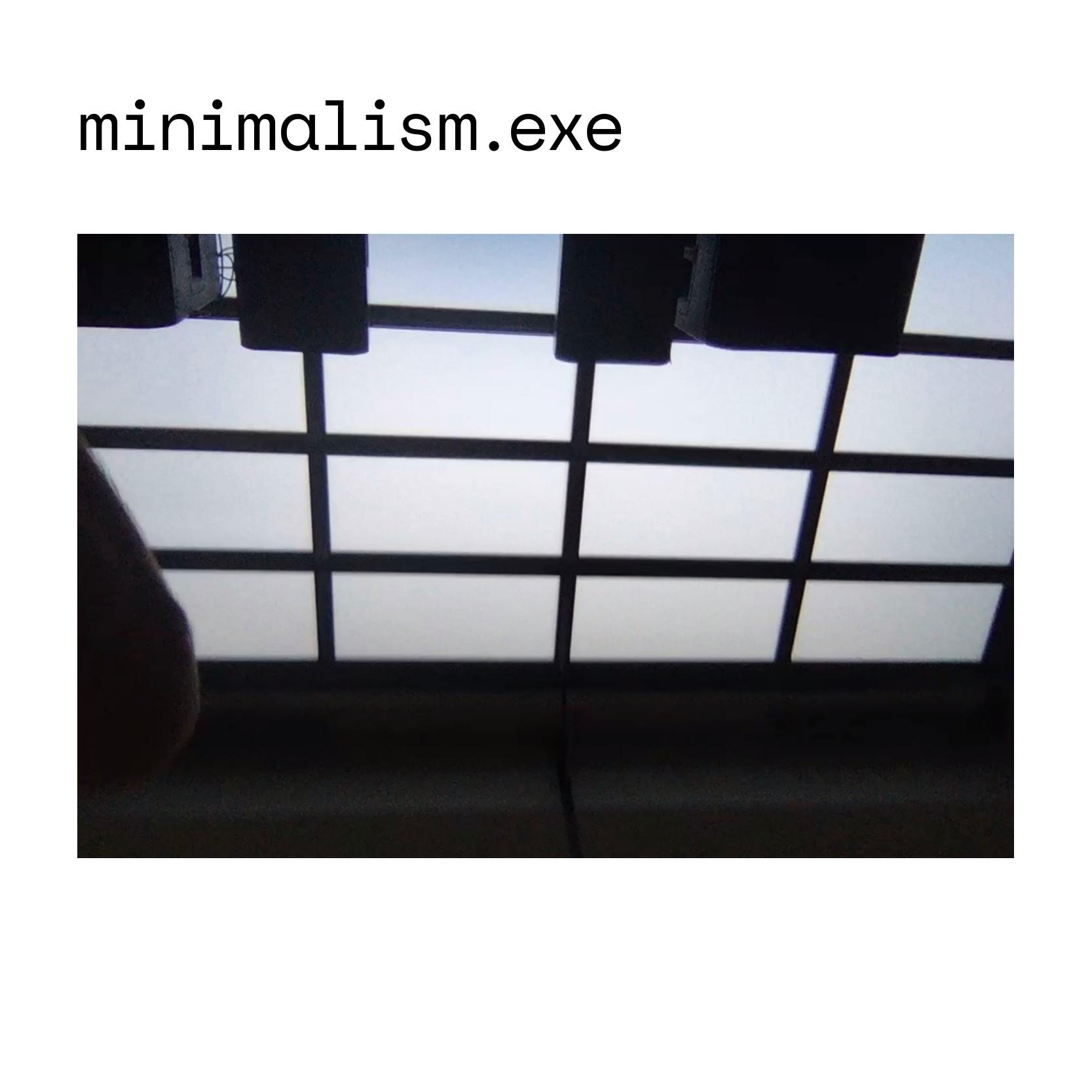
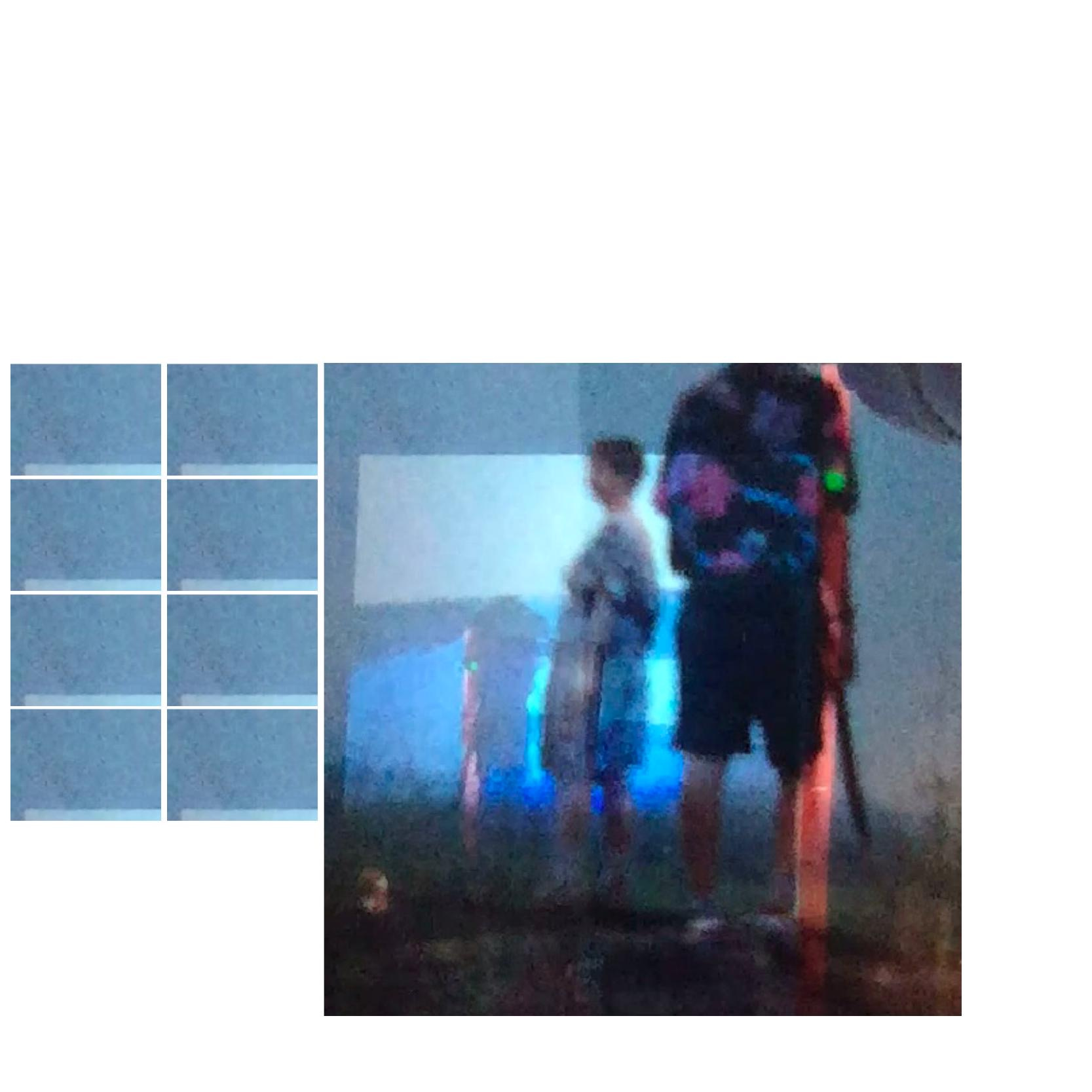
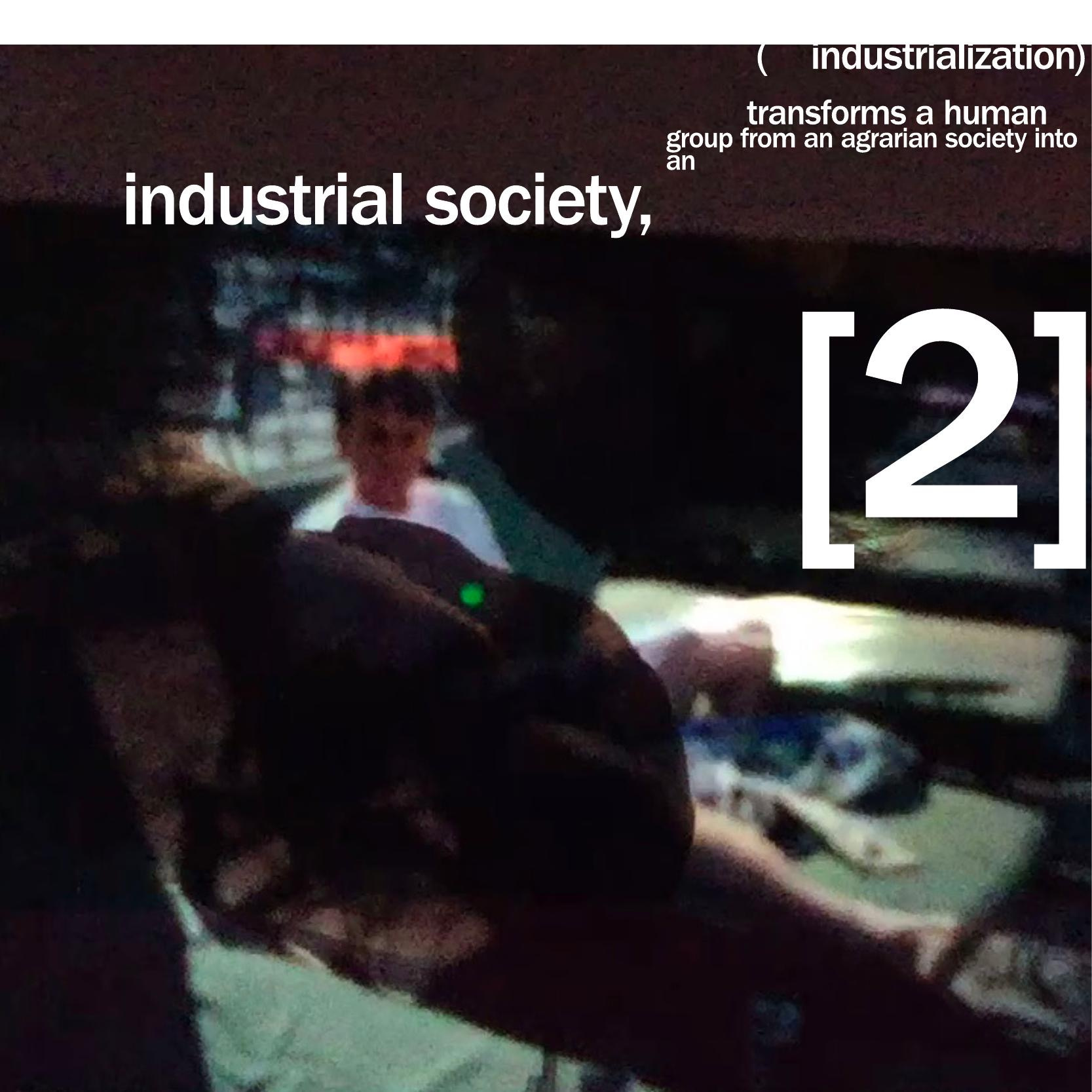
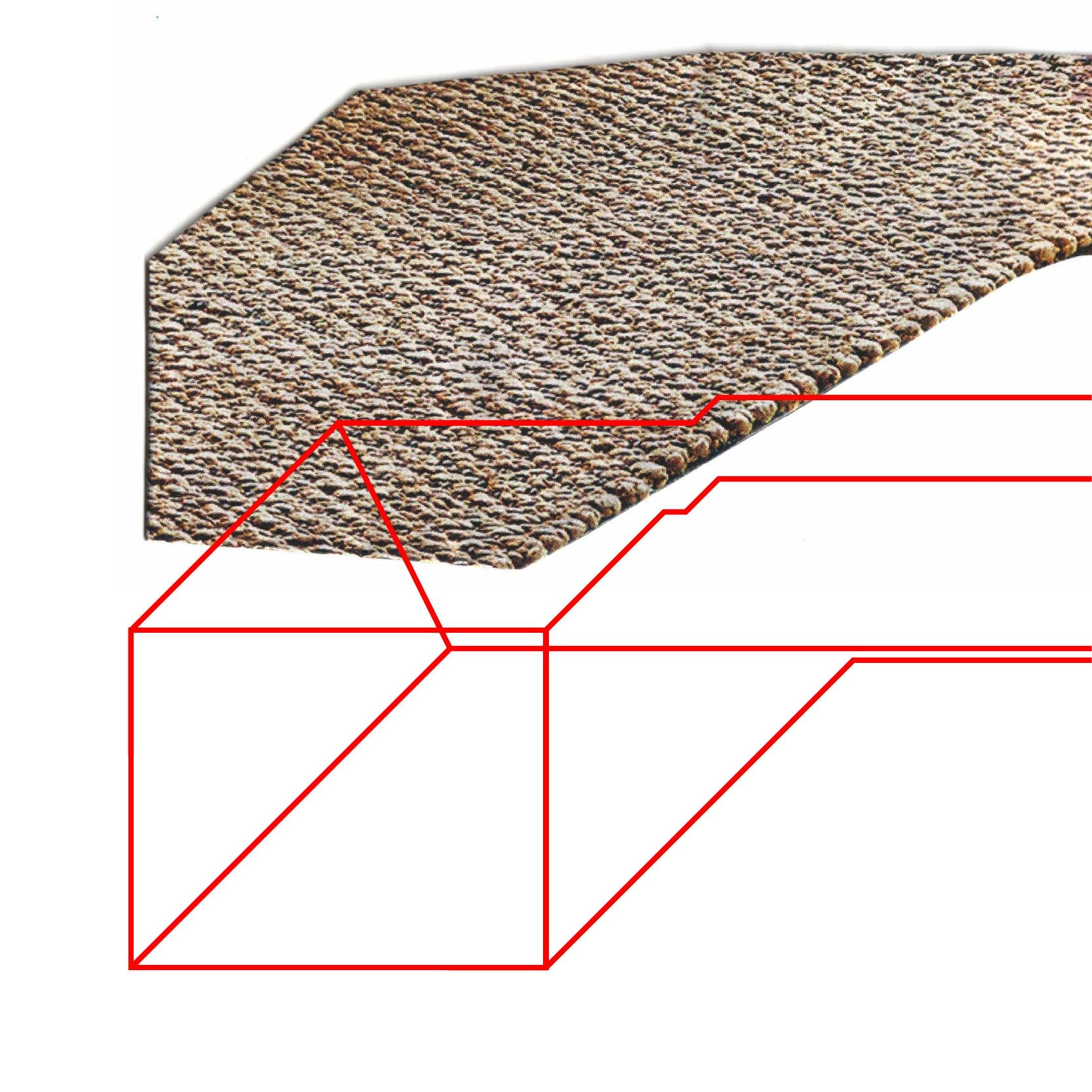
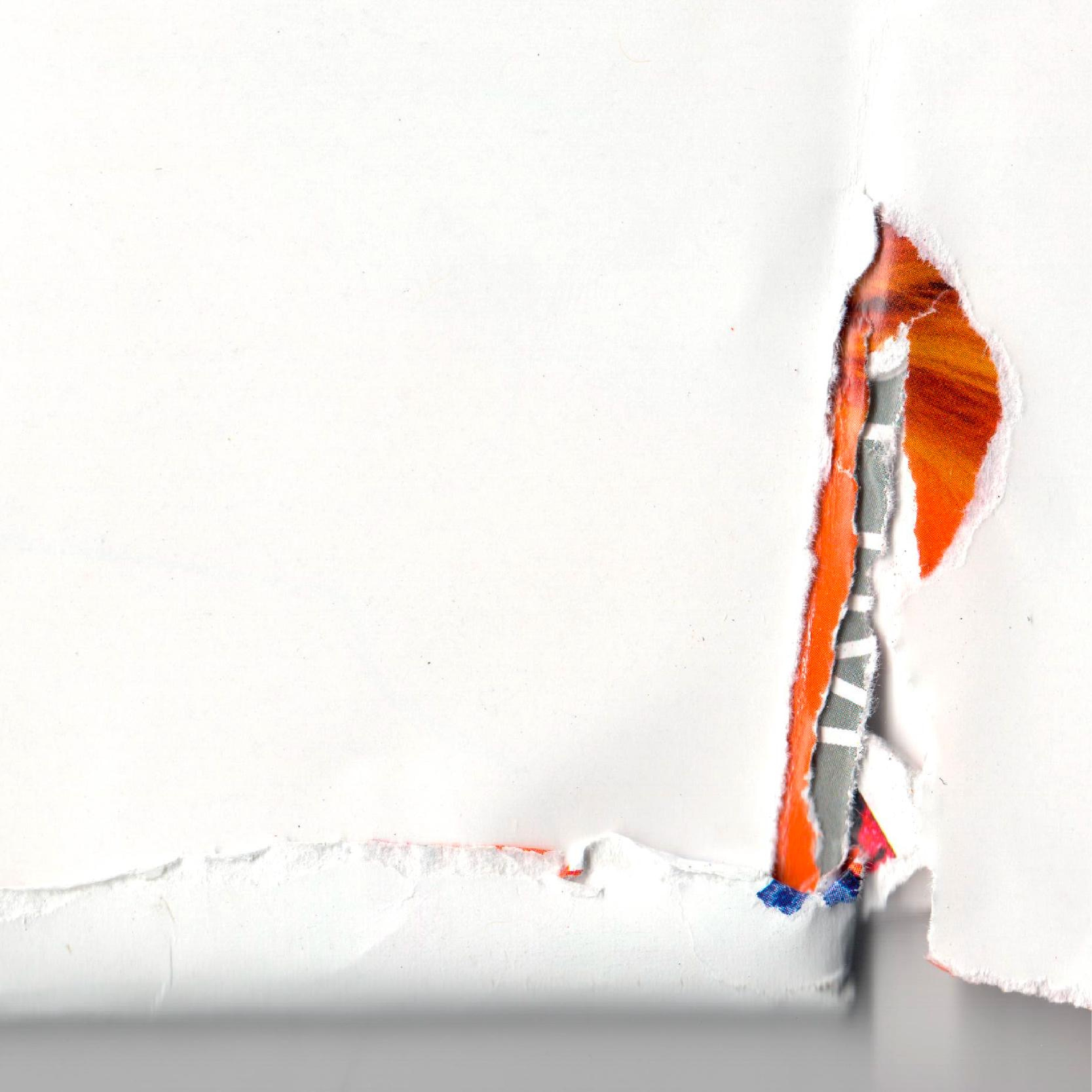
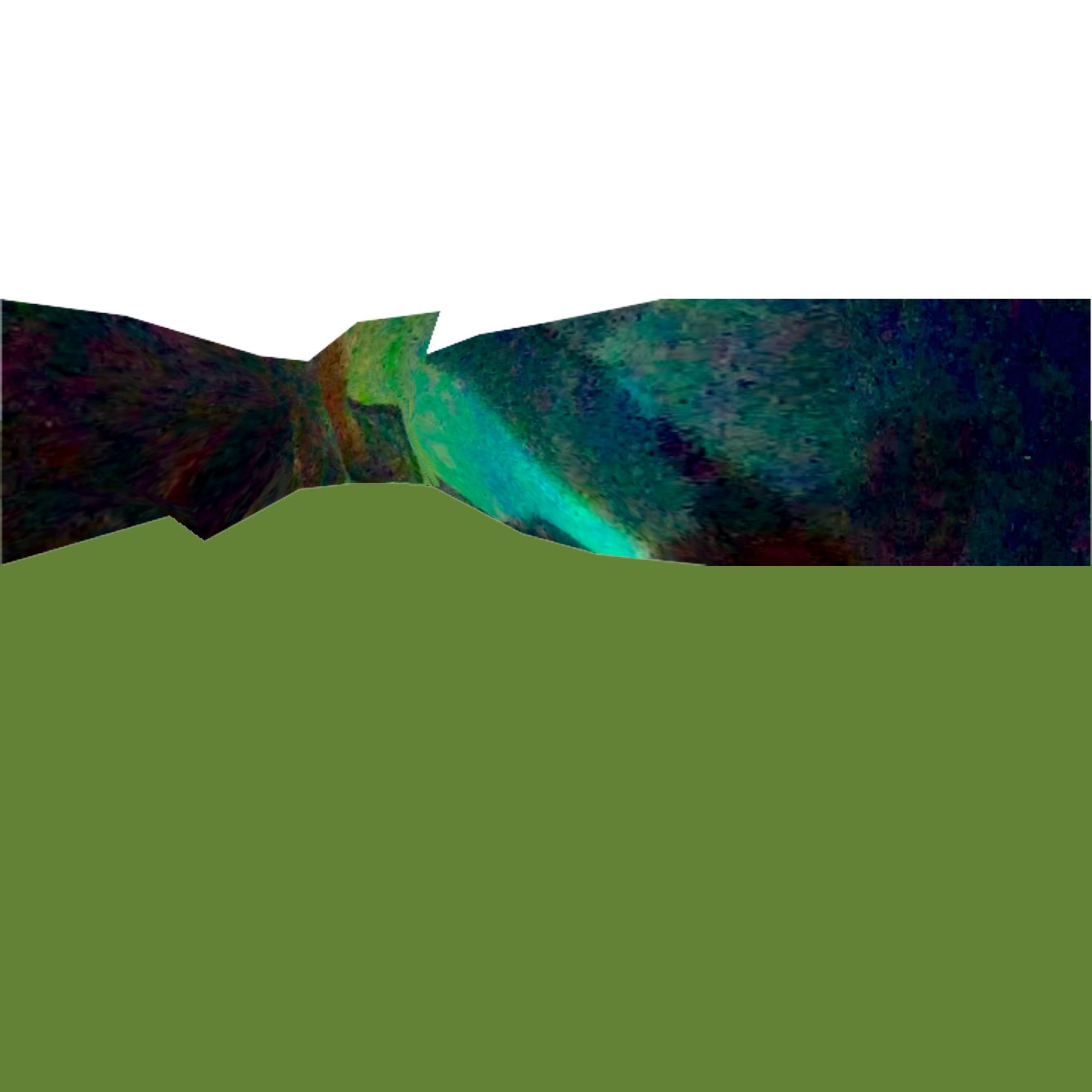
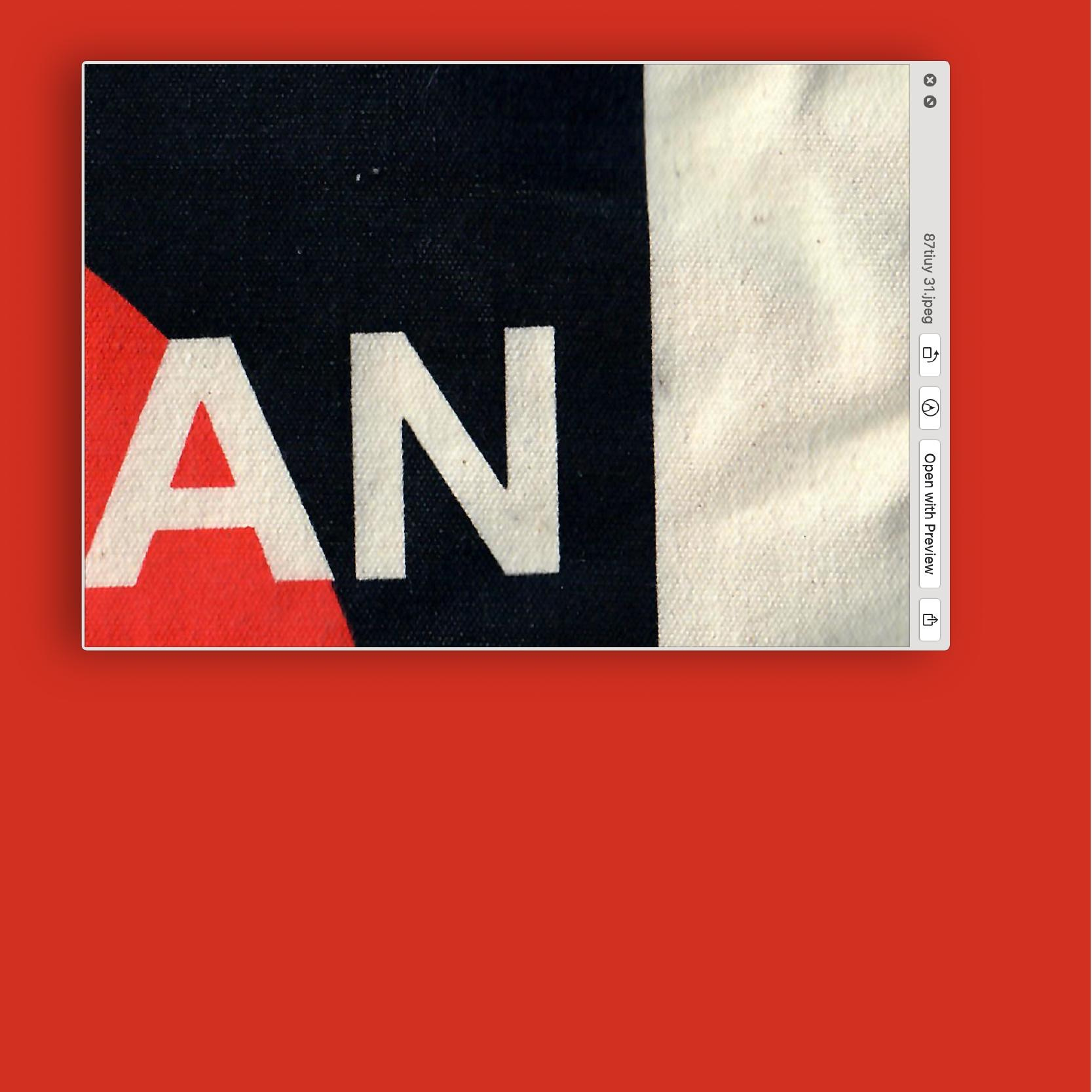
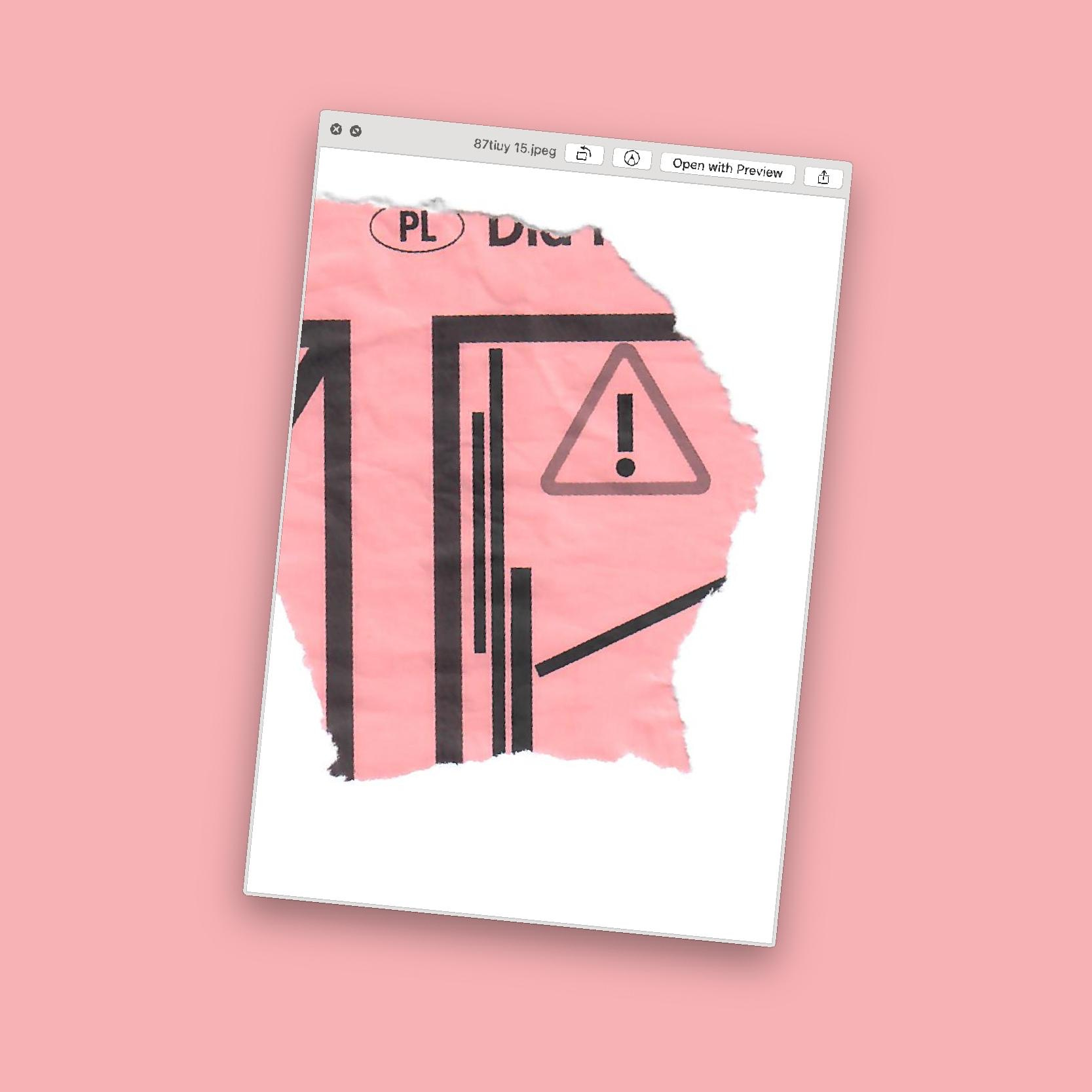
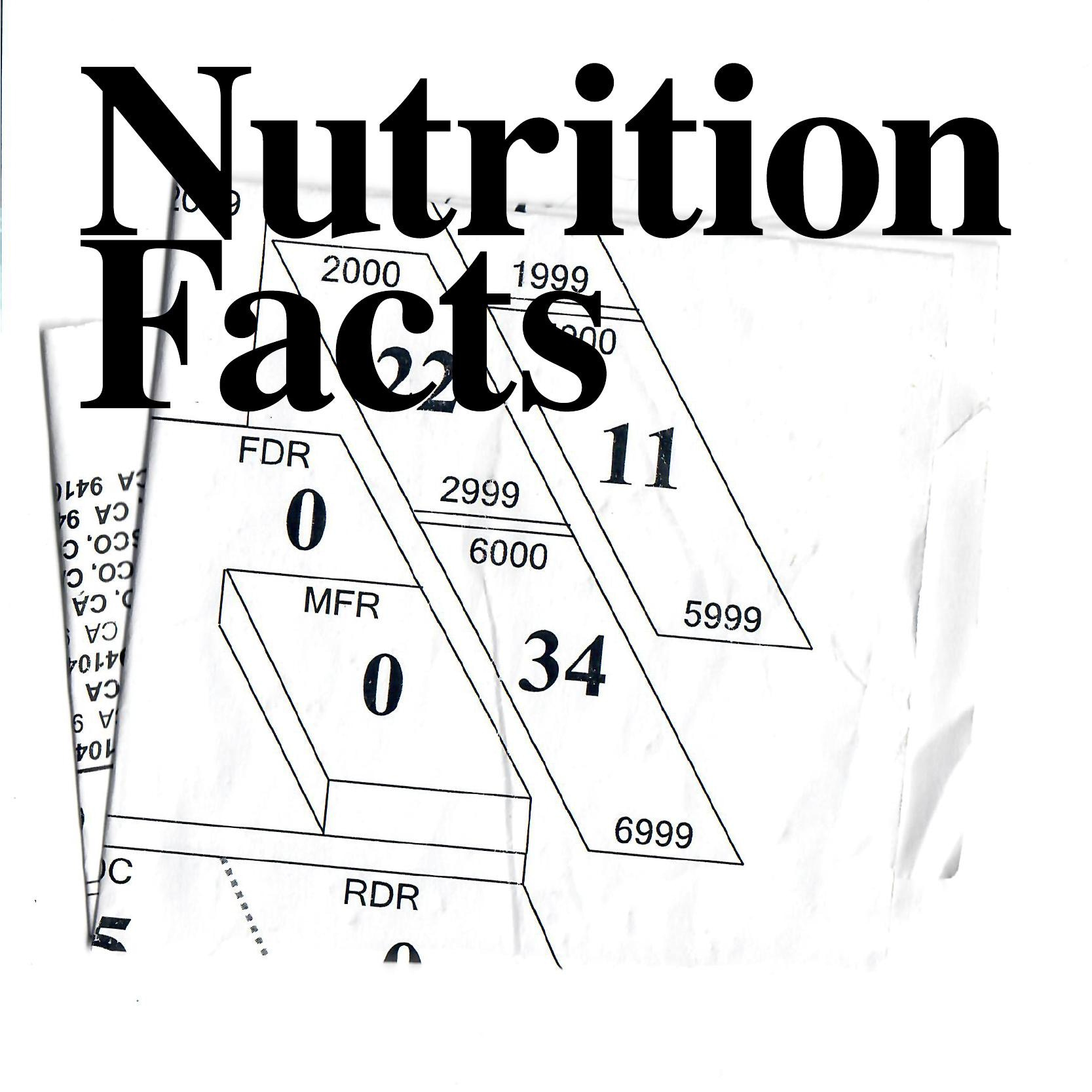
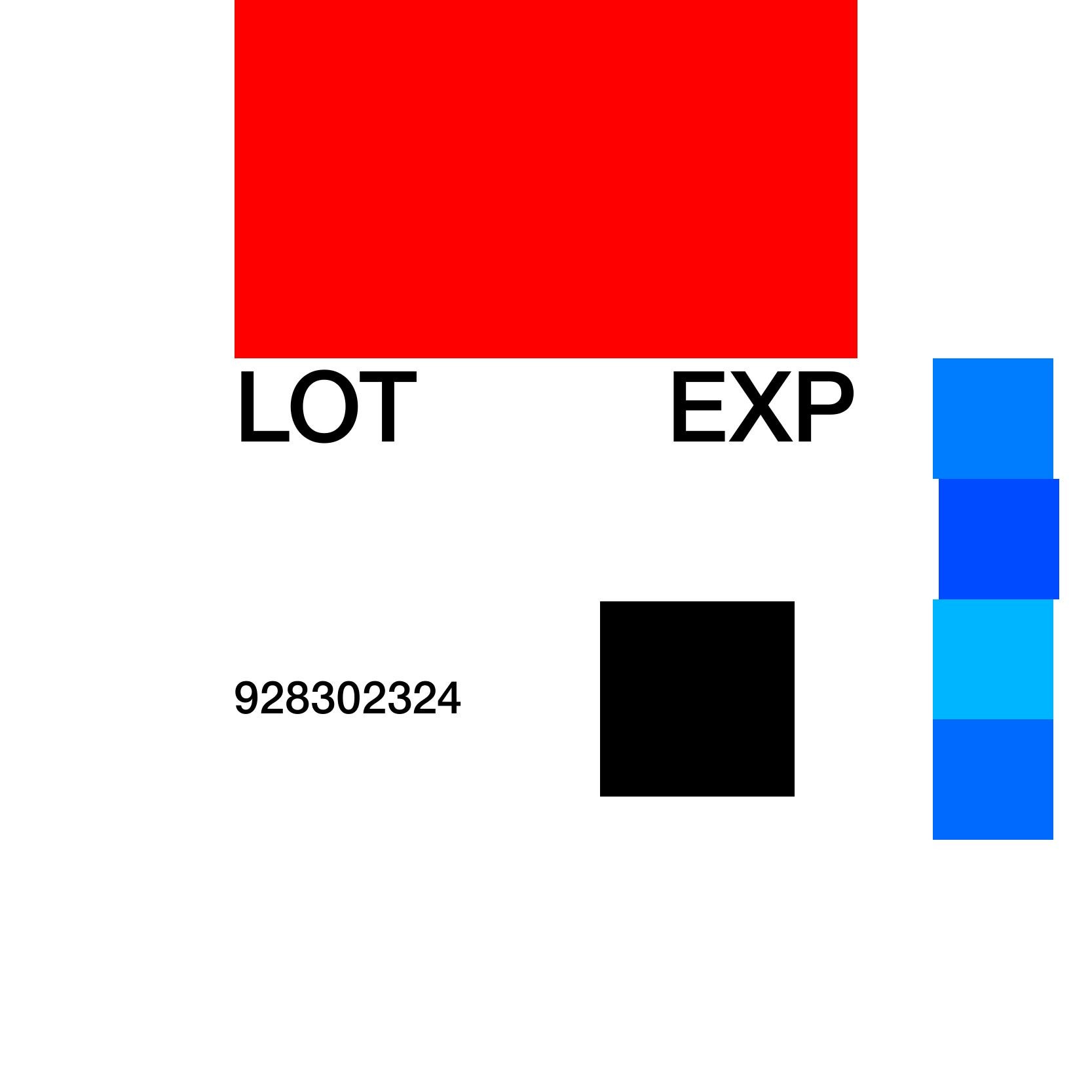
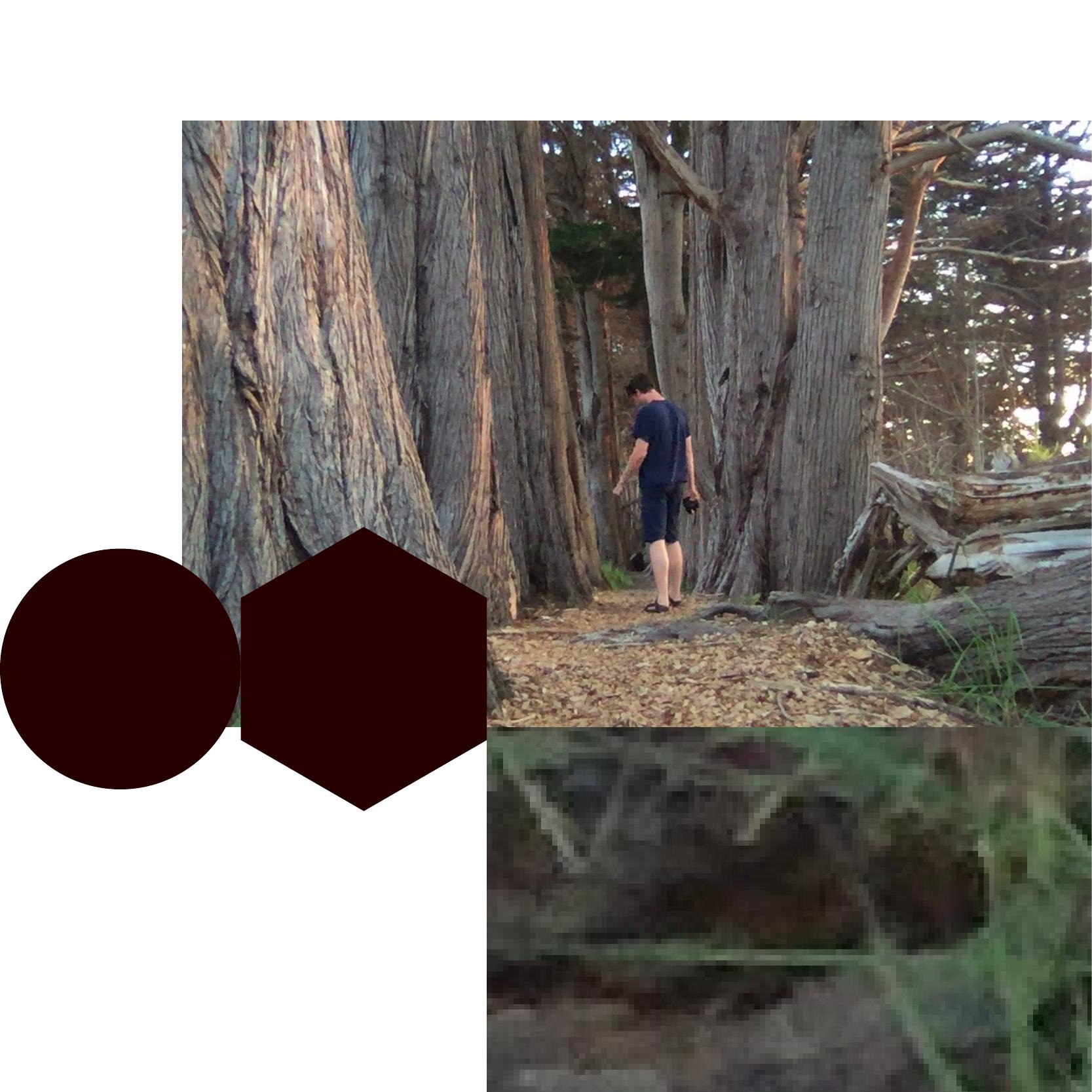
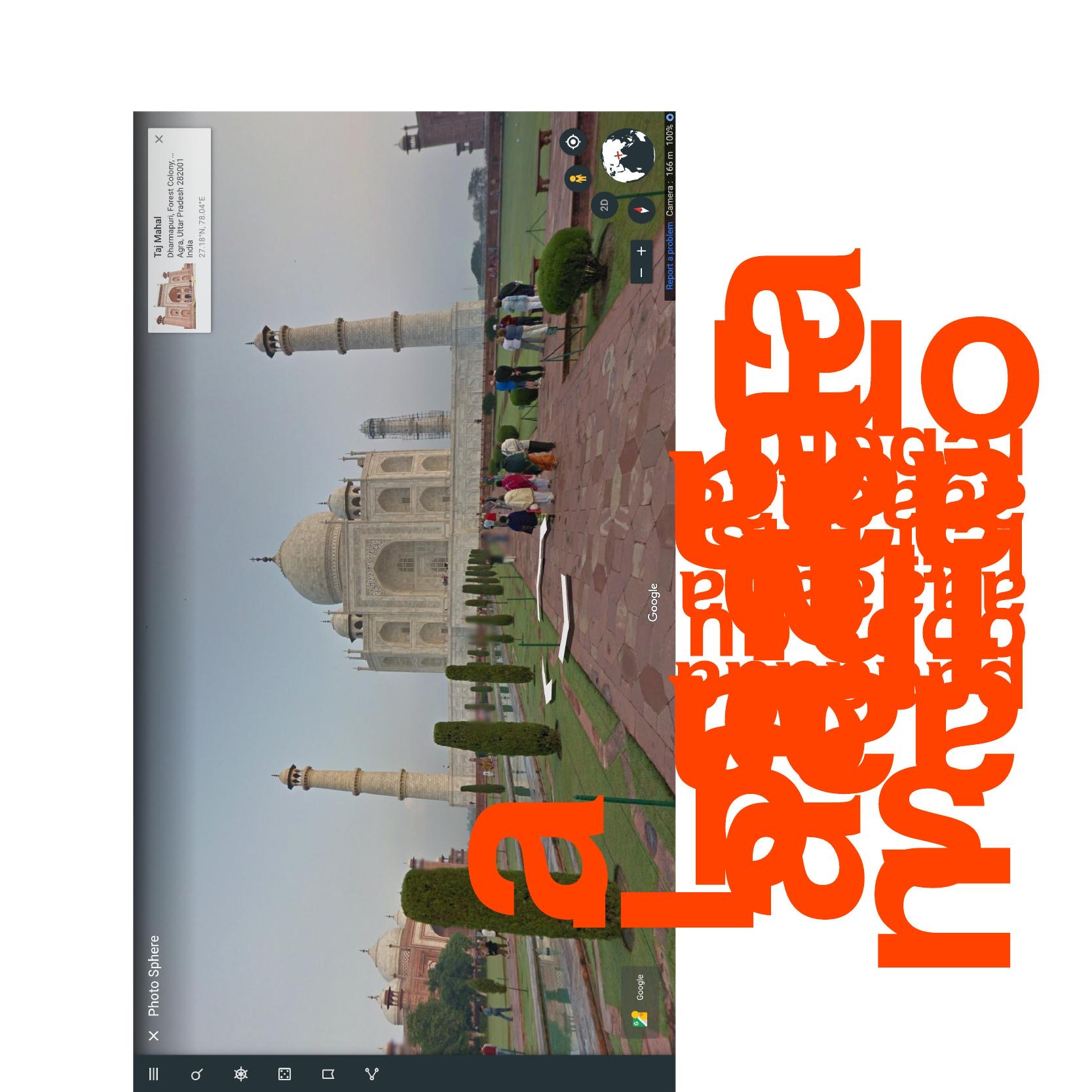
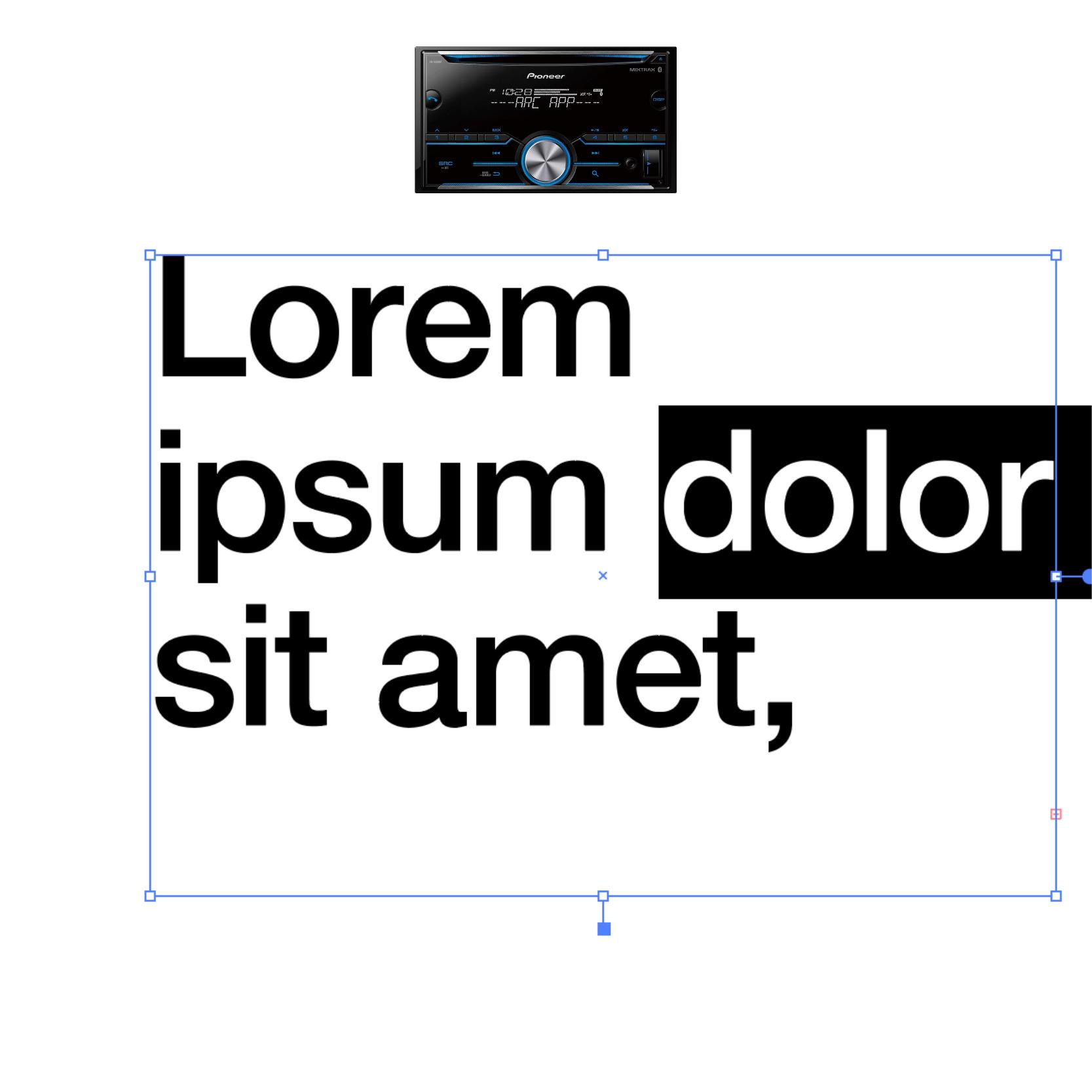
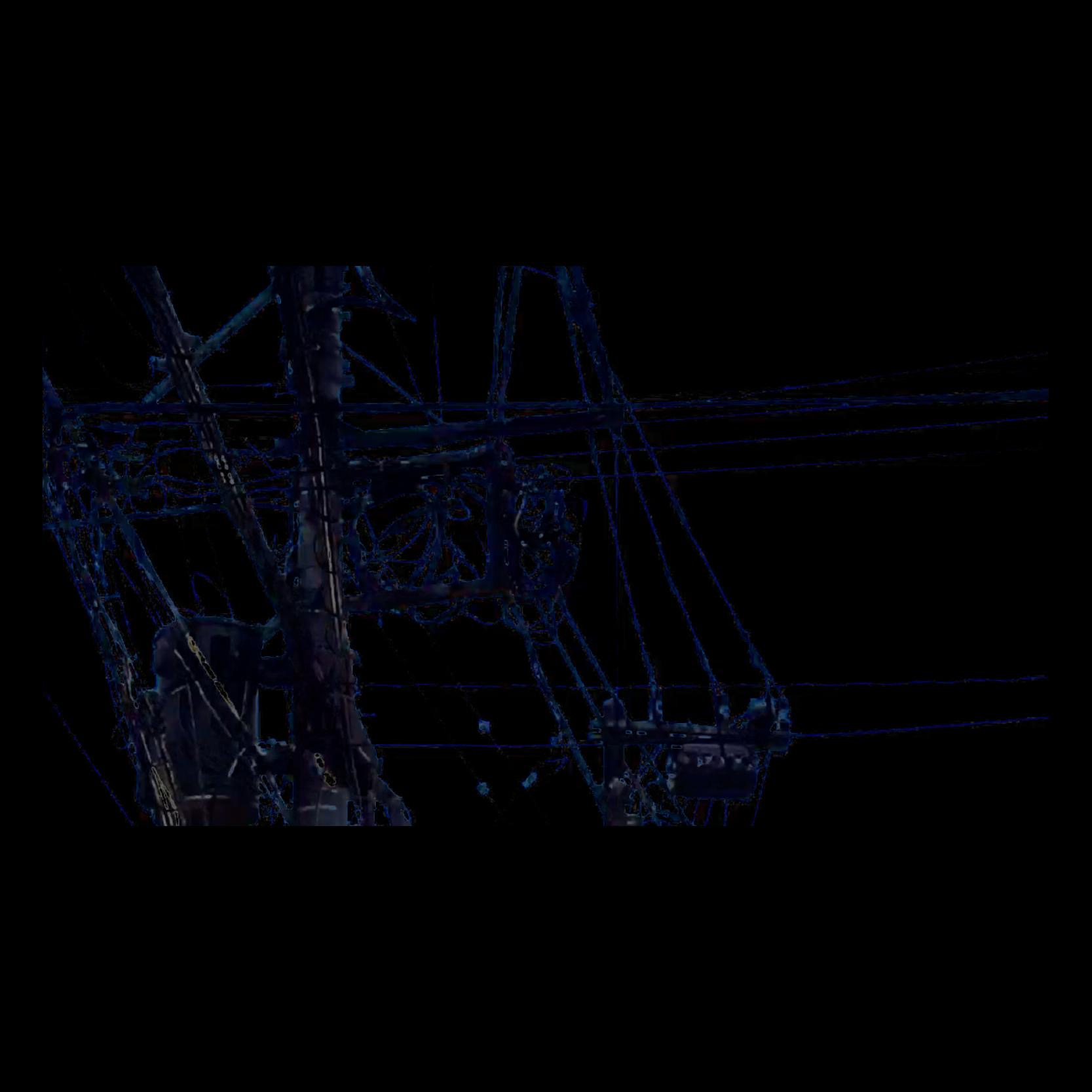
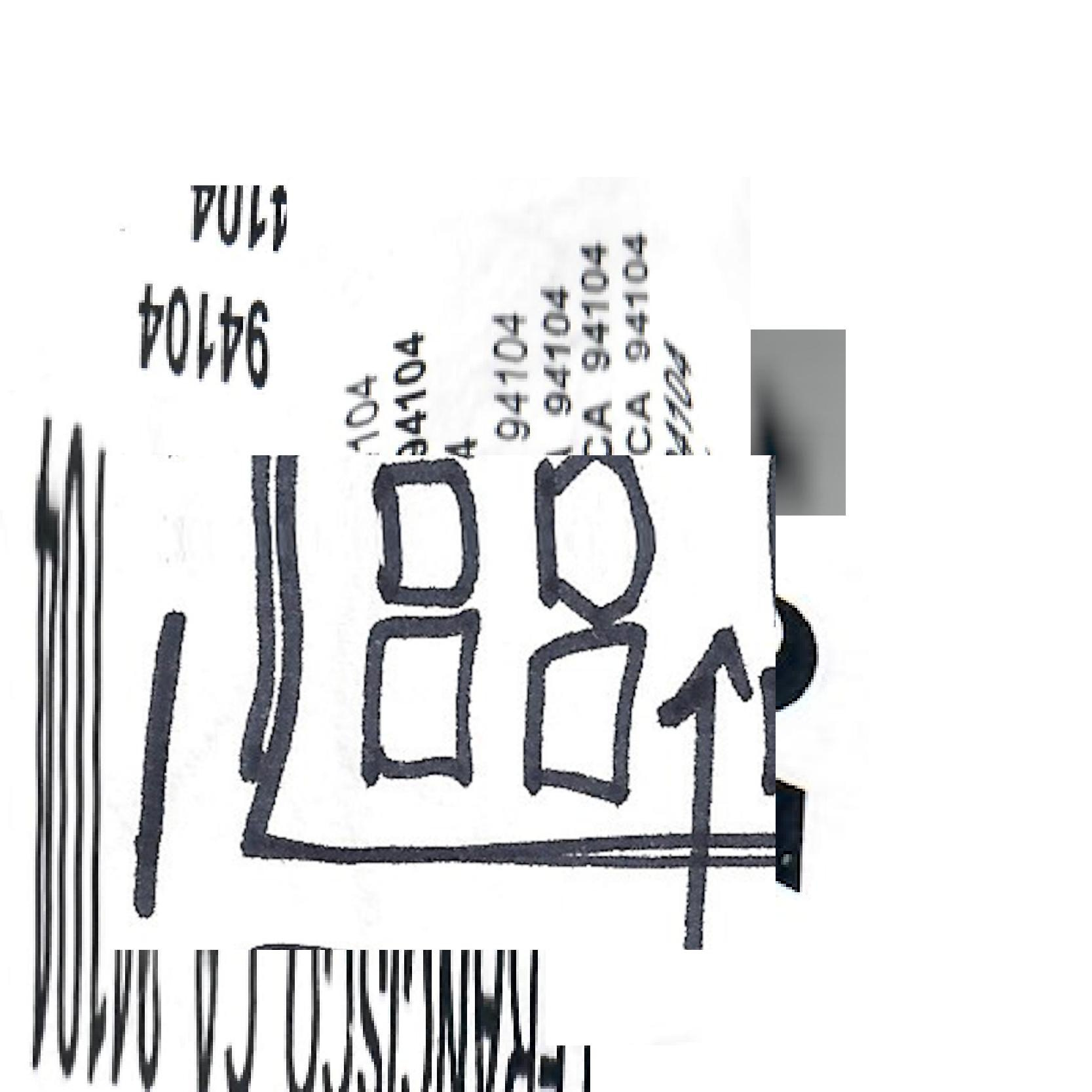
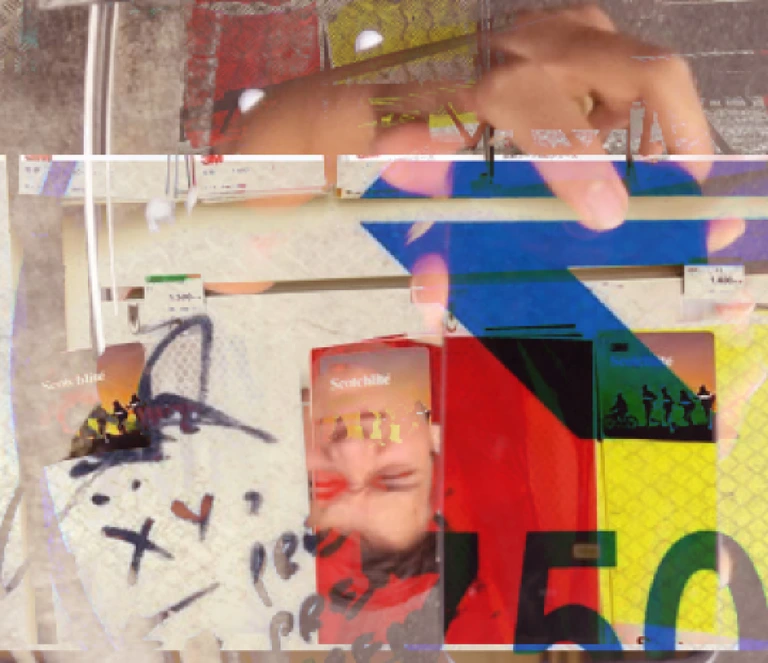
Artist Rowan Lommen-Nelson and I began working on this book in the summer of 2019. We originally wanted to make a series of quick, low-production zines that would catalog our visual interests and curations. The result of Discovery: Volume 1 is an extremely refined and polished work of photography, experimental graphic design, drawing, and image making. This came at the end of a vast amount of experimentation (pictured), originally from the impulse to create a zine series of palettes and compositions of appropriated design ideas and image experiments. In 2019 I moved across the country and we worked simultaneously across myriad Figma boards, exploiting blend modes and unlimited storage to break the tool and use it to make generative, additive massive layers of images that interacted with one another. Discovery: Volume 1 ended up being more the distilled project of a bunch of research over the course of a year. It instruments digital photos and scans as much as it does their composition — we tried to coin this idea that images could be read left to right, and we could treat them sequentially in ways that emotionally affected the viewer as they progressed through the aesthetics and contours of images from one page to another. This format set a way of thinking that informed TAPESTRIES later. We worked through thousands of collaborative Figma, Illustrator, and InDesign artboards while we were living on other ends of the country. We never ended up producing a zine but instead worked towards a highly refined, pared-down coffee table book that articulated our process and conclusions from hundreds of hours of experimentation with scanners, cameras, and digital compositions.
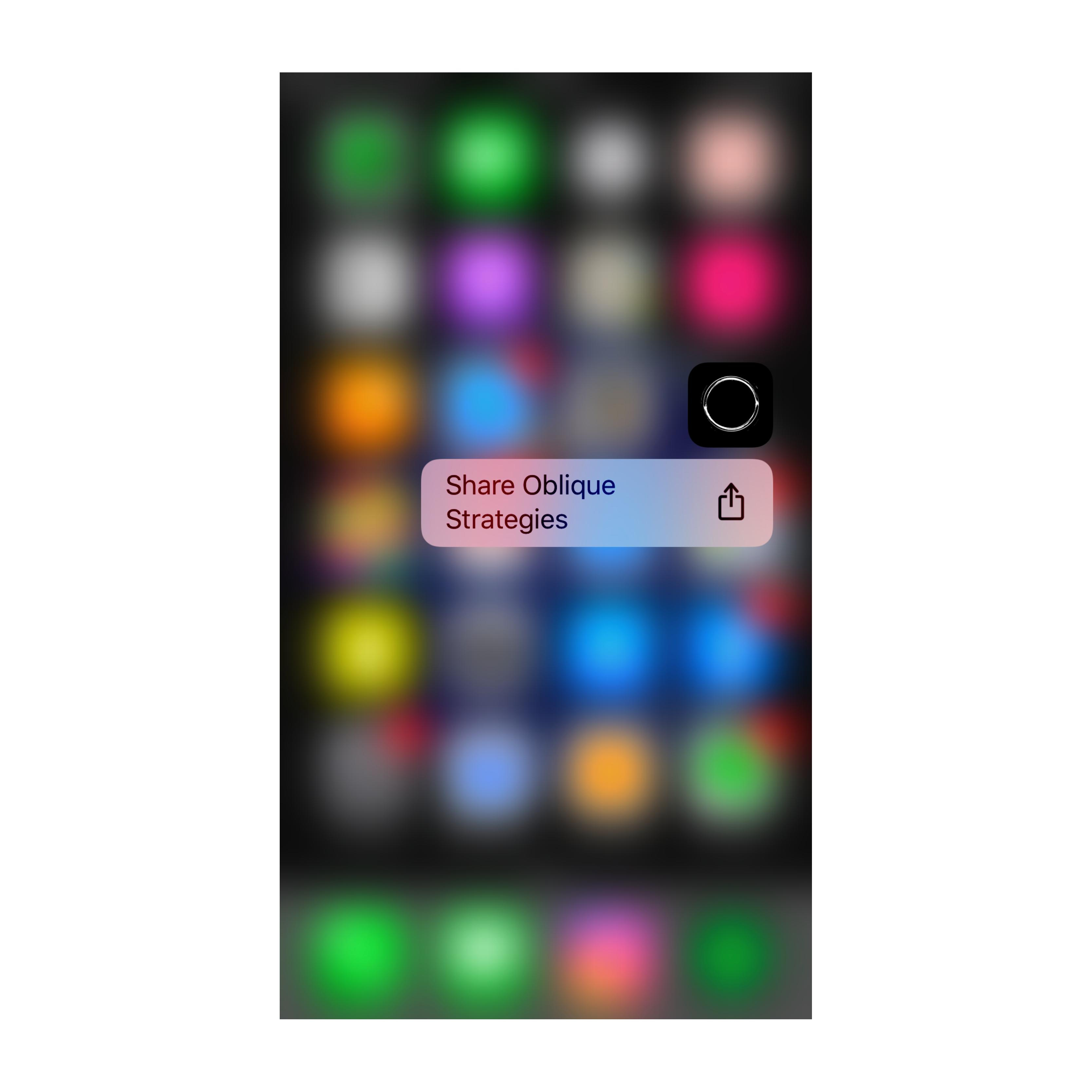
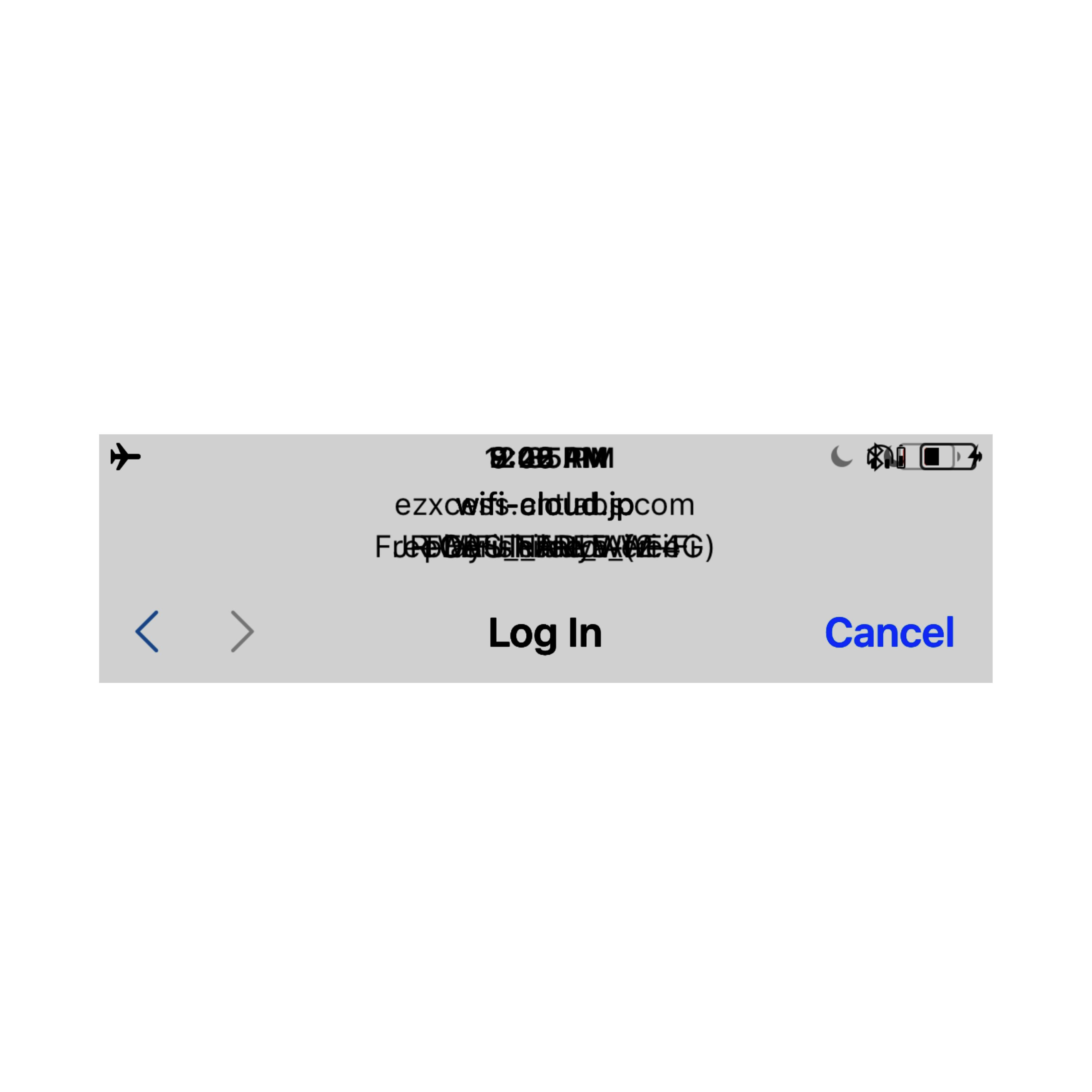
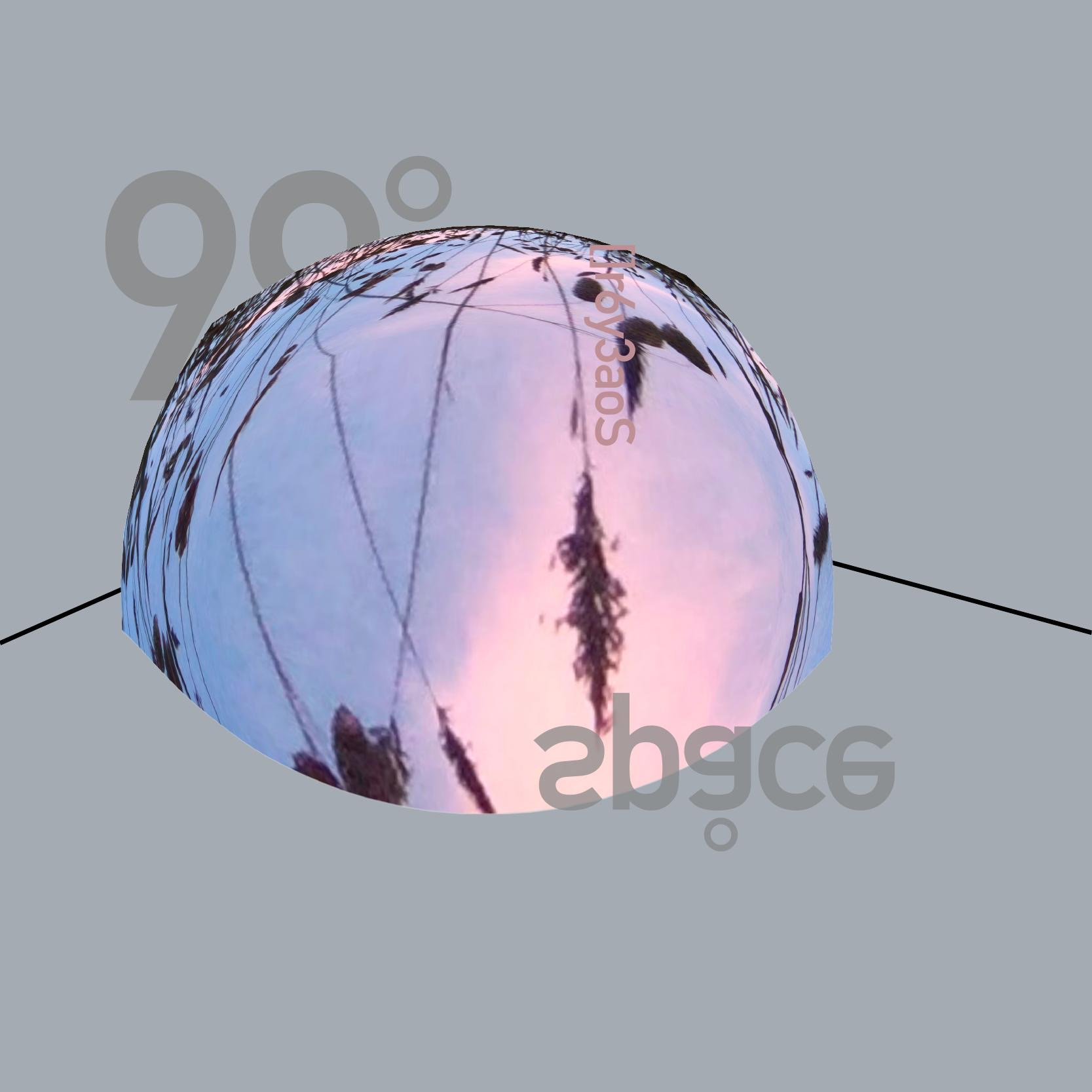
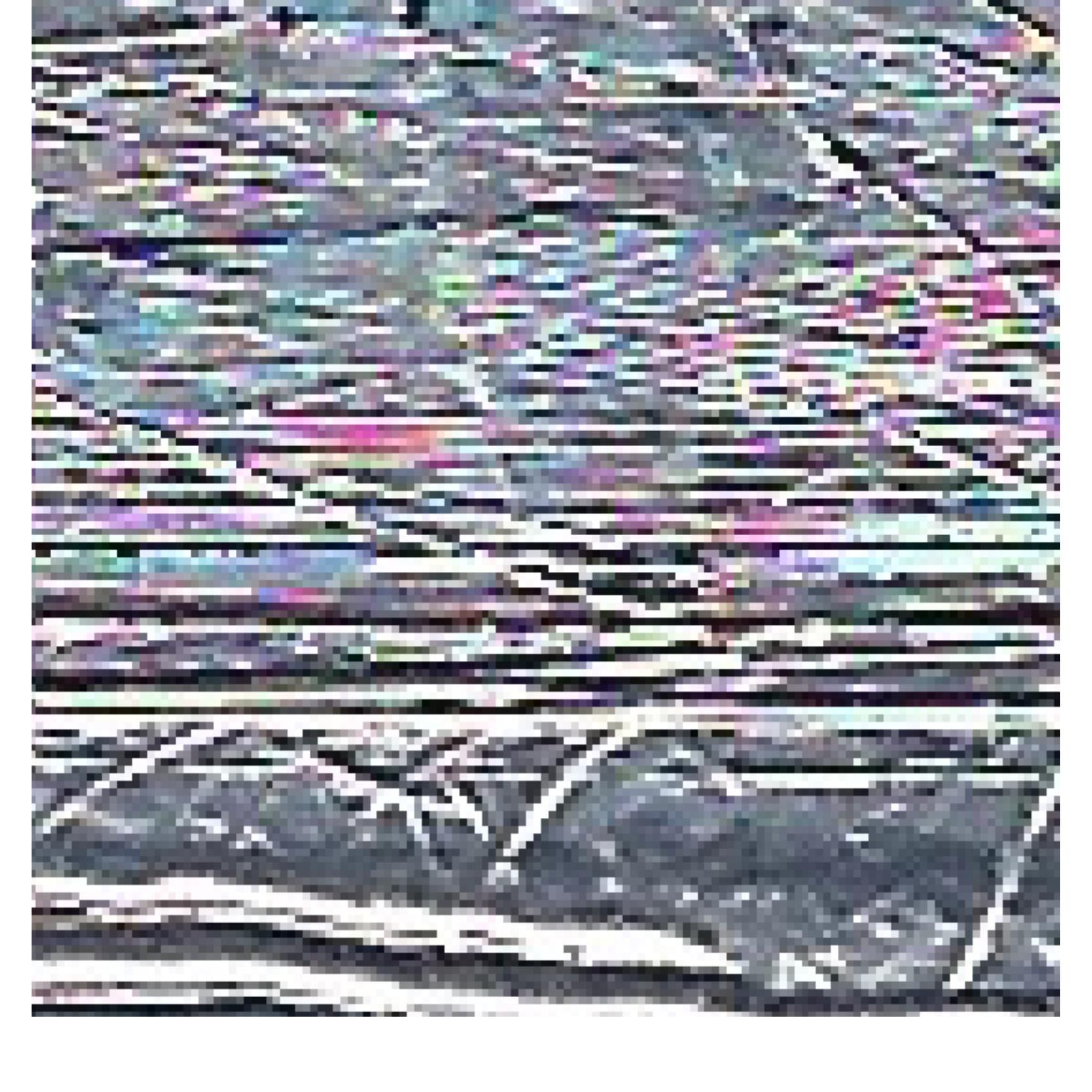
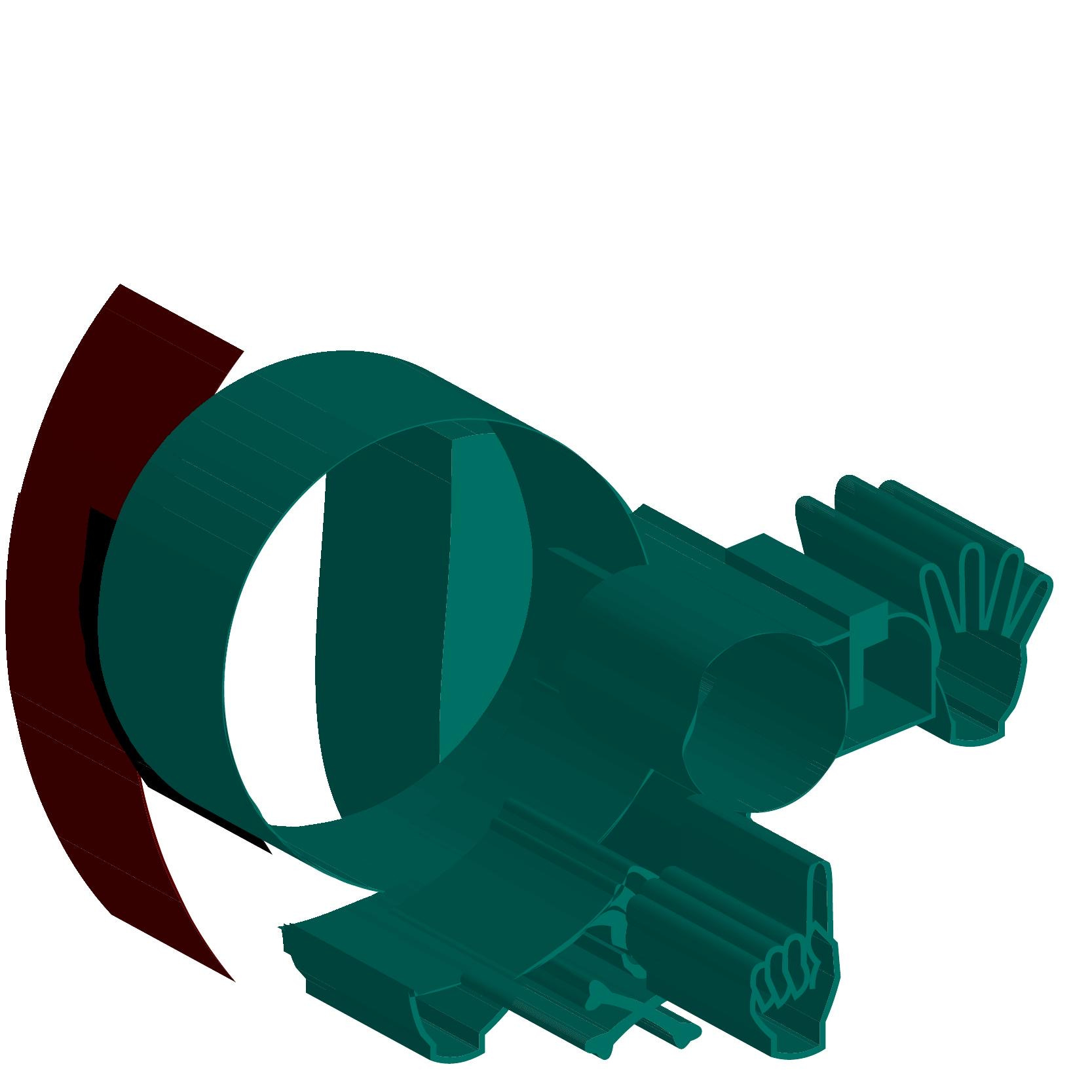
We had these working terms/concepts that governed experimentation with images and propelled us through stuff: The User and their Interface, The Uncanny Valley, Manual Algorithms. We were interested in how in a post digital moment, user interfaces could be treated as these readymades just as products or domestic objects were for Duchamp 100 years prior. We wanted to bring this physicality and constant reality of UI into the way we equated photographs and screenshots, and the way we thought of things moving across the surface of the page and book. The Uncanny Valley was a way of thinking about bad 3D rendering and odd stock photo representations of reality-- we worked a lot with sourced images from Google Earth, and models from 3D warehouse websites. Manual algorithms was this notion that we had trusted and routine ways of stacking and organizing our images using blend modes, that the repetition of these motions and labors generated new relationships between pixels/texture/color, equating to this tension where we were doing something manual with technology that allowed us to paint, edit, crop, and produce new images from our screenshots and digital photographs.
Figma
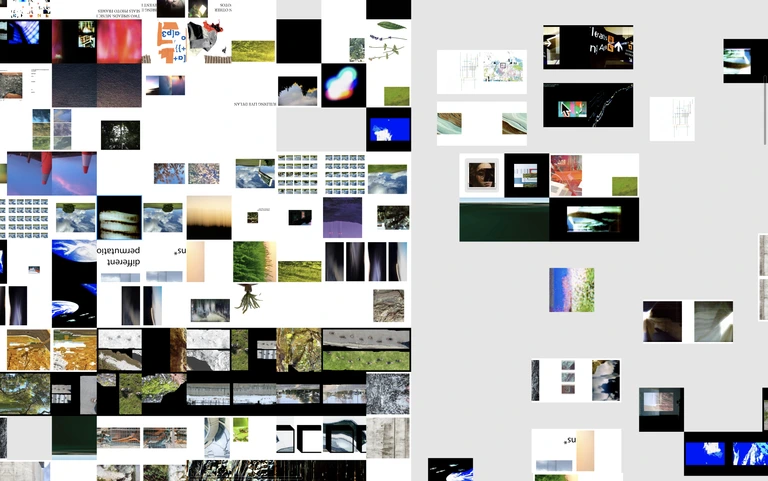
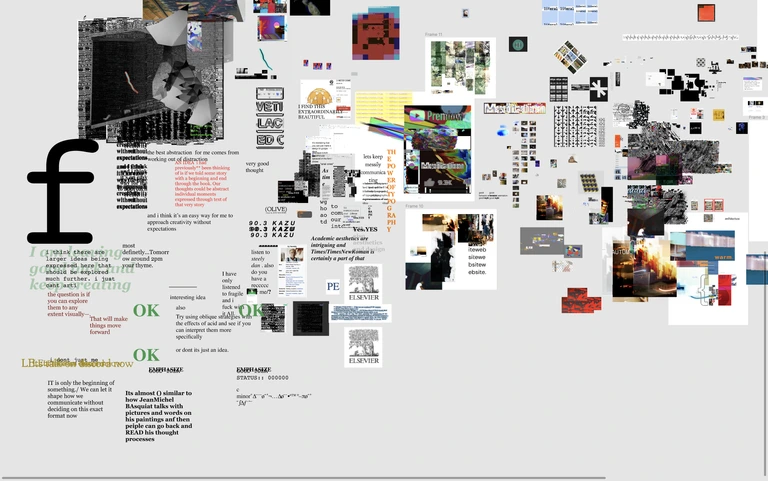
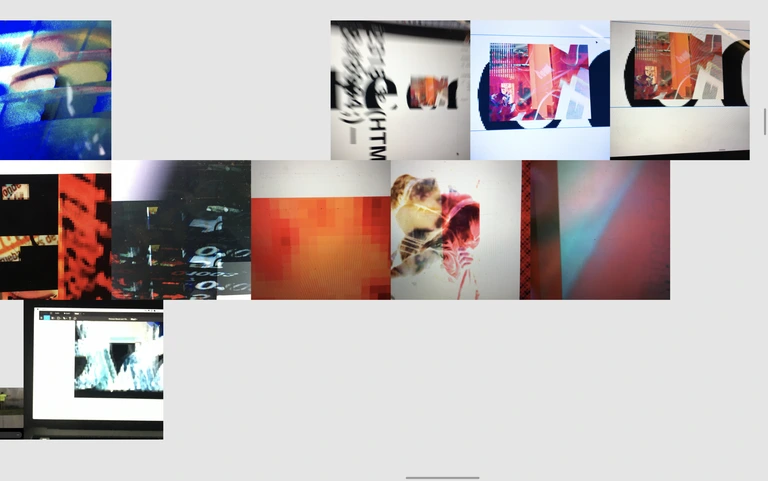
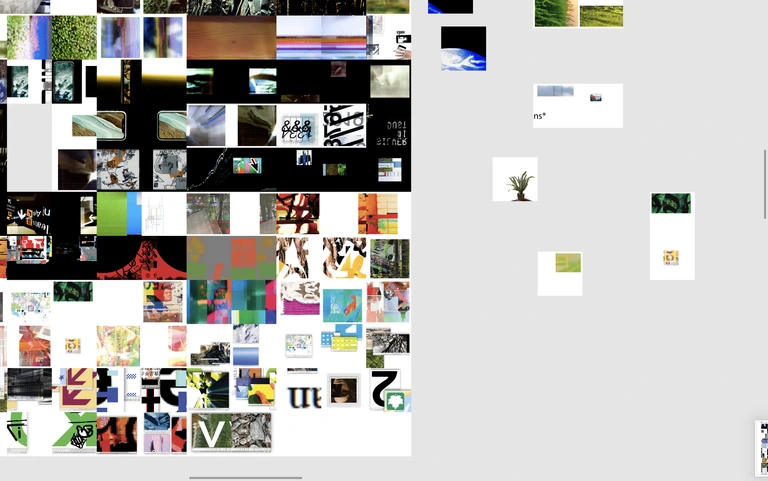
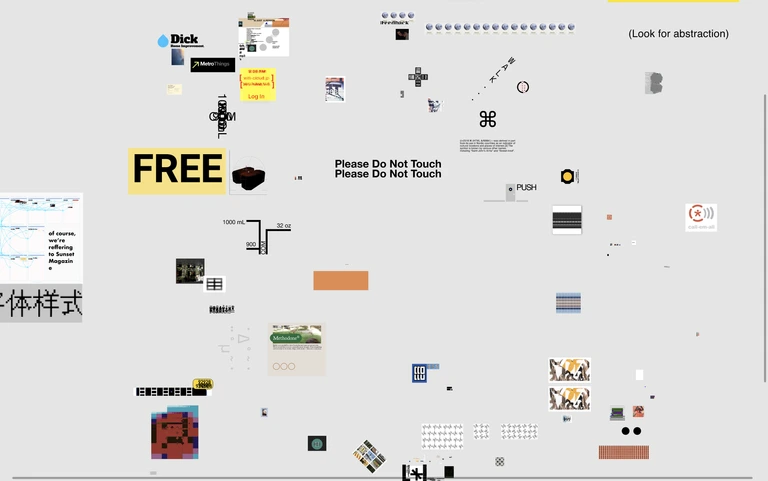
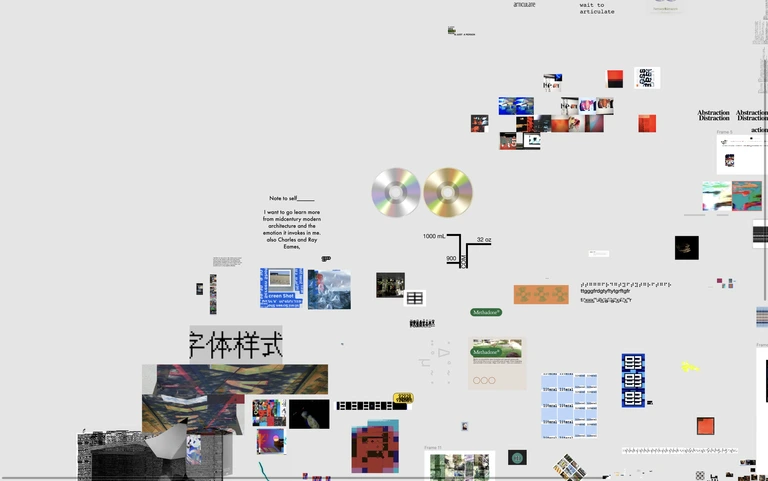
Image studies
Concept sketches